A lot of English pages about the tax refund in Korea are quietly out of date, and they tend to be wrong about the same number. Search it and plenty of results still give ₩30,000 as the minimum purchase — articles that were written a while back and never touched since.
The Korea Tourism Organization’s own English page says ₩15,000.
That gap matters more than it sounds. At ₩30,000 the refund is basically for people buying jackets and electronics. At ₩15,000, a normal Olive Young basket clears it — two sheet mask boxes and a sunscreen and you’re already over the line. A lot of people are leaving money on the counter because they read an old guide and assumed their receipt was too small.
I checked this on September 9, 2026, against both the KTO site and the Seoul city tourism site. Both say ₩15,000. If you’re reading this much later, check again, because this is exactly the kind of rule that gets revised without anyone announcing it in English.
What actually qualifies
Four things have to line up, and the first one is the one people get wrong.
₩15,000 or more on a single receipt. One store, one transaction. You can’t add up three ₩6,000 purchases from three shops and call it ₩18,000. This is per-receipt, always.
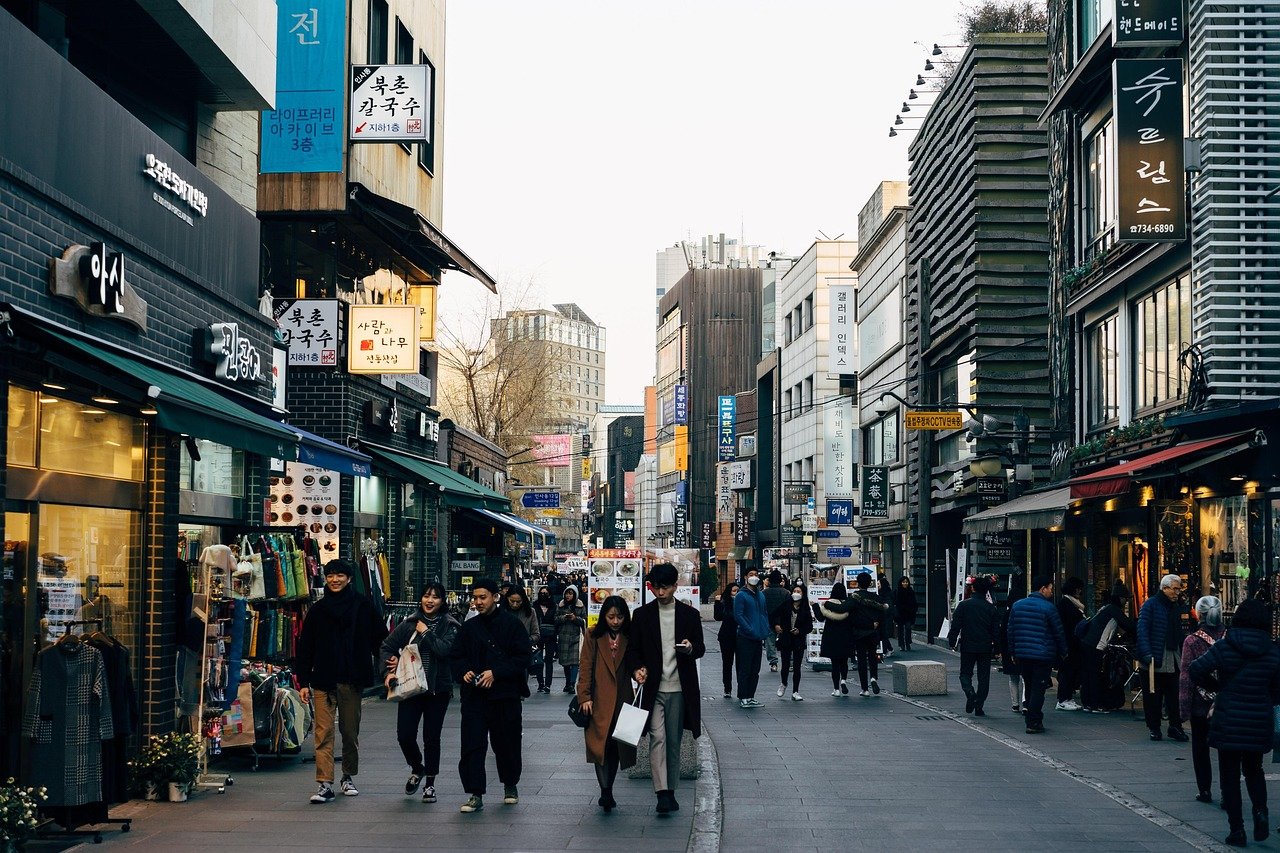
The shop has to be registered. Look for a Tax Free / Tax Refund sticker on the door or by the register. In practice this covers most of the places a visitor shops anyway — the big cosmetics chains, department stores, the larger clothing shops in Myeongdong and Hongdae. Small independent places often aren’t registered, and a tiny neighbourhood shop almost certainly isn’t. Ask before you pay, not after. Once the receipt is printed as a normal receipt, it’s done.
You have to take it out of the country within three months. Three months from the purchase date, not from when you got the slip. This never comes up for a two-week trip, but it does trip up people on longer stays.
It has to be a physical thing you still have. Opened or used goods don’t count. Neither do things nobody can visually verify at the border — cooked food, a massage, that kind of service. And duty-free purchases are already tax-free, so there’s nothing to refund.
Two ways to get the money, and one of them is much better
The first is the immediate refund, where the shop just knocks the tax off at the register. You hand over your passport, they scan it, and the price on the card terminal is already lower. Nothing to do later. Nothing to carry to the airport. This is the one you want.
It has limits, though, and they’re specific: under ₩1,000,000 per transaction, and ₩5,000,000 total for your entire stay. The trip-wide cap is the sneaky one. It’s tracked against your passport across every store, so a heavy shopper can quietly use it up and then find the register no longer offers the instant discount. Not a bug — you’ve just hit the ceiling.
The second way is the airport refund. You pay full price at the shop, they give you a refund slip with your receipt, and you claim it when you leave. More paperwork, more chances to mess it up, but no per-trip ceiling.
How much do you actually get back?
Korean VAT is 10%, and that’s the tax being refunded. You will not receive 10%.
Start with how the price tag works, because this is where the arithmetic goes sideways. Korean tags already include VAT — the number on the shelf is the number you pay, nothing gets added at the register. So a ₩15,000 item isn’t ₩15,000 plus ₩1,500 of tax. The tax is already inside it: ₩15,000 × 10/110, which comes to about ₩1,364. Roughly 9% of what’s on the tag, not 10%.
And that ₩1,364 is the ceiling, not the payout. The refund goes through a private operator, and the operator takes a cut of it. What you end up with is meaningfully less than the headline number — how much less depends on which company handles it and how much you spent. I looked for an official published table and couldn’t find one anywhere on a government site, so I’m not going to invent percentages. The actual refund amount is printed on your slip. Read it there.
The practical takeaway: don’t build a shopping plan around the refund. Treat it as a bonus that shows up at the end. If you want to see what those won amounts translate to in money you actually think in, our Korean Won converter does it with live rates — useful when you’re standing in a shop trying to work out whether ₩15,000 is a threshold you’re anywhere near.
At the airport: the order matters
This is where people lose their refund, and it’s almost always the same mistake — checking the luggage first.
Customs has to confirm the goods are leaving the country. That means the goods need to be with you, not already gone down the belt. So the sequence is: get to the airport early, go to customs with your passport, your refund slips, your boarding pass and the actual items, get the export confirmation, then check your bags, then collect the money at a refund counter or one of the unmanned kiosks.
If it’s all small stuff, the kiosk usually handles it on its own — scan the passport, scan the slips, done. Bigger or more expensive items can mean an officer wants to physically look at what you bought. I couldn’t find any official page stating the exact amount that triggers a hands-on inspection, and several English guides confidently quote a figure with nothing behind it, so I’ll just say what’s actually useful: if you bought something large, expensive, or still boxed, assume someone will want to see it and keep it accessible. Don’t tape it inside a suitcase.
Budget more time than feels reasonable. The refund desks at Incheon get genuinely bad at peak departure hours, and there is no version of this where rushing helps.
The downtown kiosks
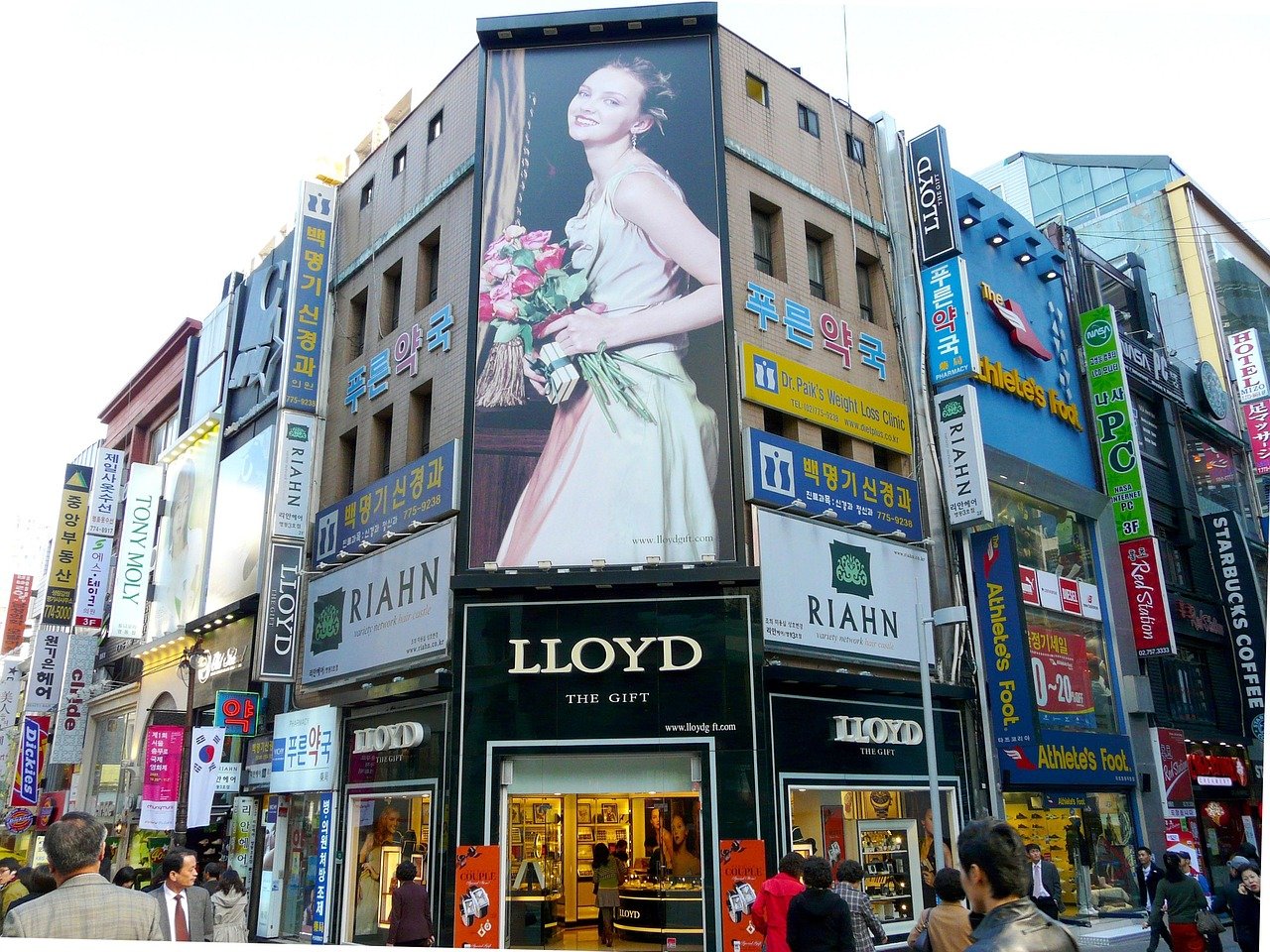
You can also claim in the city before you fly, at a refund booth or an unmanned kiosk in the main shopping areas. You’ll need your passport, the refund voucher, and a credit card — the card is collateral. You get the money up front, and if customs never confirms the export when you leave, they charge it back to the card.
Worth doing if your departure is early or you hate airport queues. Just remember you still have to do the customs step at the airport. Getting the cash downtown does not mean you’re finished.
Sale prices and the refund don’t stack the way you’d think
Korean shops love a sale sign, and the discount percentages come off the tag price first. The refund is then calculated on what you actually paid, not the original tag. So a 40%-off item that lands at ₩14,000 has dropped below the ₩15,000 threshold — the sale just cost you the refund.
That’s a real edge case worth watching if you’re buying a lot of small discounted things. If you’re trying to work out where a sale price actually lands before you commit, the sale price calculator handles the won-and-percent maths for you, which is easier than doing it on your phone in a crowded shop.
So is it worth the trouble?
Honestly? If your whole trip’s shopping is one bag of skincare, the instant refund at the register is free money and you should absolutely take it. Takes twenty extra seconds and your passport.
The airport route is a different calculation. For a small pile of slips it’s forty minutes of queueing for an amount that won’t change your day. For anyone who’s done serious shopping, it’s clearly worth it.
What I’d actually tell a friend: carry your passport when you shop, take the instant refund wherever it’s offered, and only bother with the airport process if you’ve got real money sitting in those slips. And check the current minimum before you go. The number in this article was right in September 2026. It has already changed once.