A friend visiting from the UK sent me a TikTok a while back, the kind where someone walks into a random optical shop in Seoul with blurry vision and walks out fifty minutes later wearing new glasses, prescription lenses and all. Her message was basically “is this real or is this edited.” It’s real. And once you’ve lived here long enough, you kind of forget it’s not normal everywhere else, until someone visiting reminds you that back home this whole process would eat two or three appointments spread across a month.
So how does this actually work
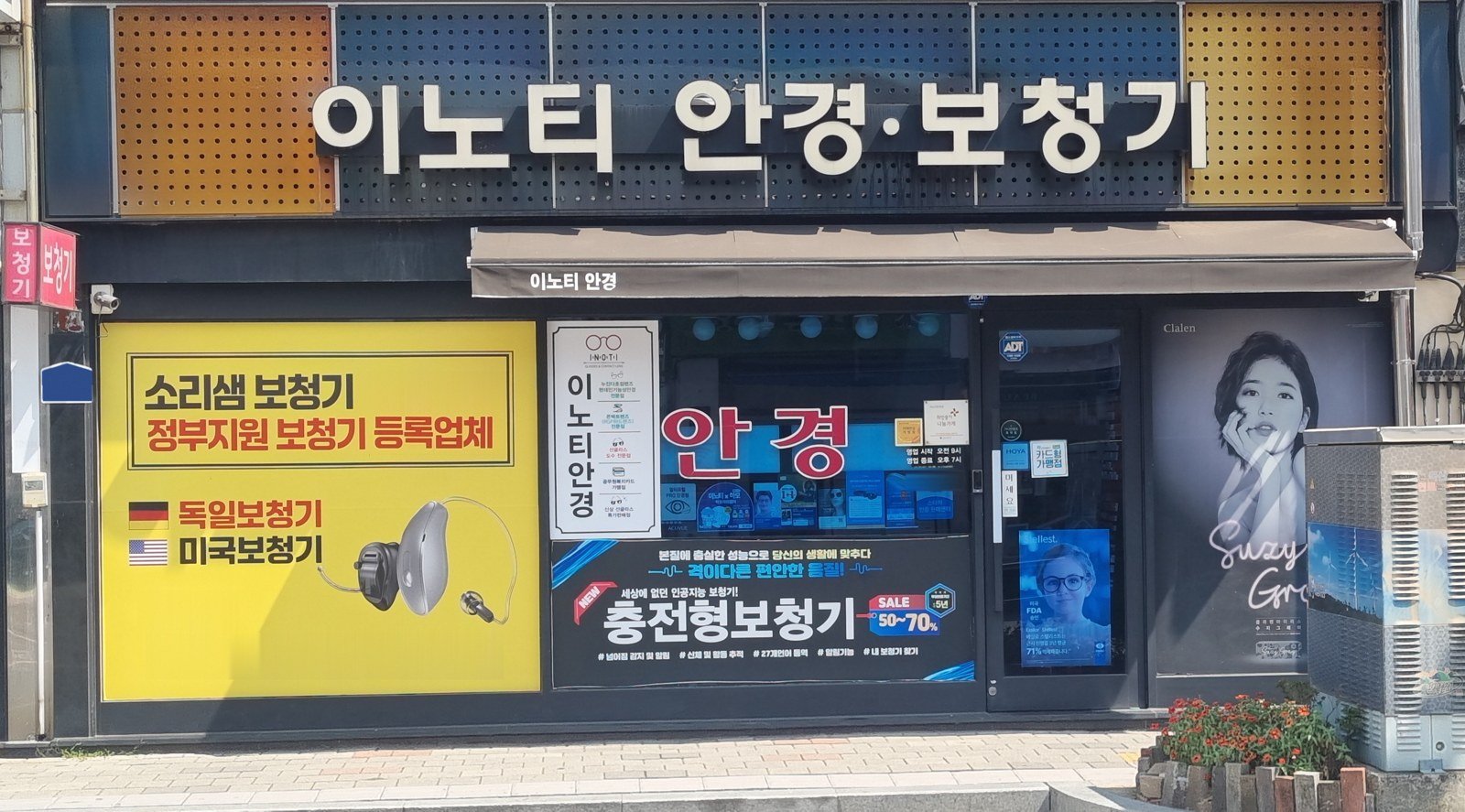
The thing that trips people up is that Korean optical shops (안경원, if you want to look for the sign) just do the eye exam themselves, on site, with their own equipment. You don’t need a referral, you don’t need to see an eye doctor first, you don’t book anything. You walk in, sit down, and someone checks your vision right there using the same kind of autorefractor and phoropter setup you’d see at an optometrist’s office anywhere else. Ten, fifteen minutes, done.
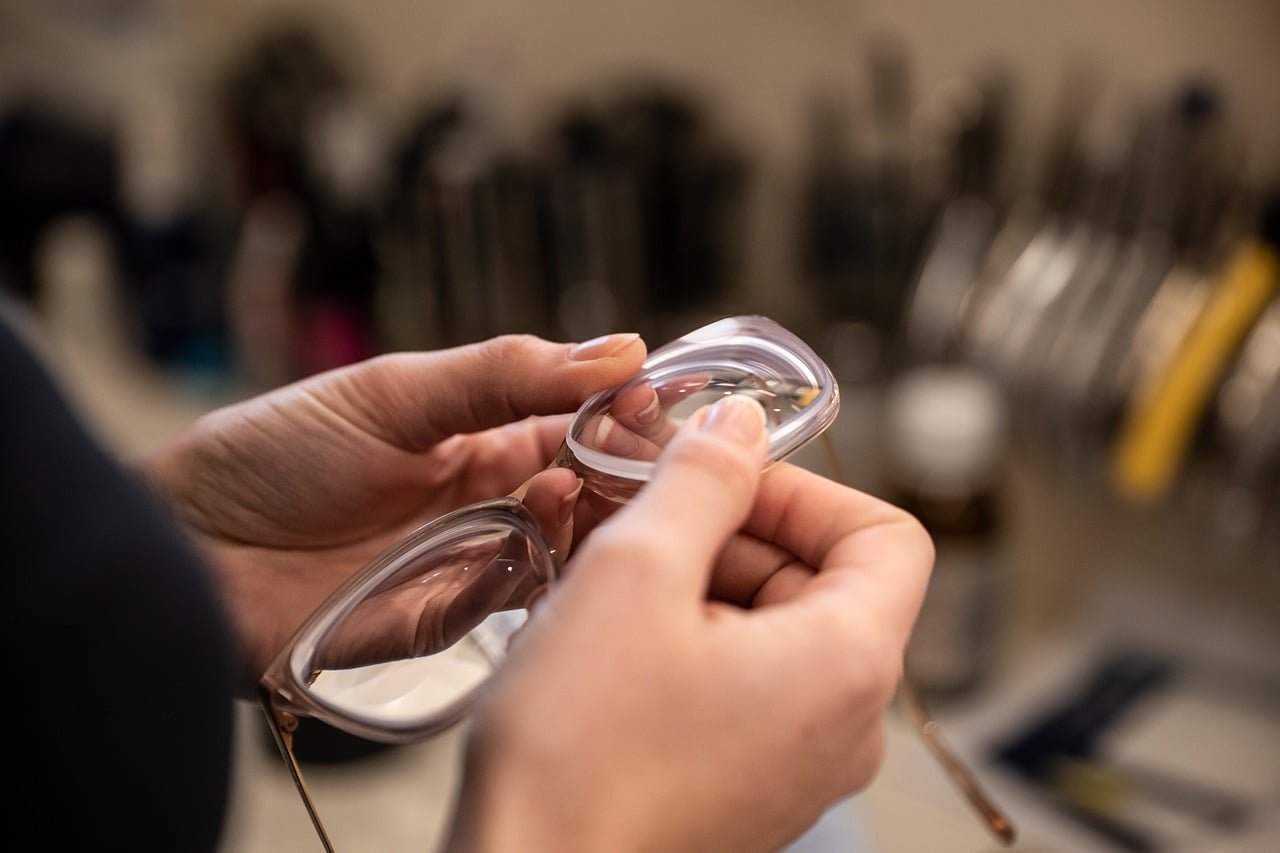
Then you pick frames, they send the prescription to the in-house or nearby lab, and for most basic single-vision lenses the glasses are ready the same day — often within the hour if the shop isn’t backed up. I’ve heard from readers who got picky about frame fitting and adjustments and still walked out same-afternoon. The exceptions are things like high-index lenses for very strong prescriptions, progressive/multifocal lenses, or anything with a specific coating that has to be special-ordered — those can take a day or two, sometimes longer if it’s a rarer brand of frame. Ask upfront if you’re not sure, because shops will tell you honestly rather than promise same-day and disappoint you.
The structural reason this is fast is worth understanding, because it also tells you its limits. In Korea the refraction is done by the optician in the shop, not by a doctor in a separate appointment, which removes the booking, the referral and most of the cost in one go. The flip side is that what you are getting is a measurement for lenses, not an examination of your eyes. If you want pressure checked, or you have had flashes, floaters or anything that worries you, that is an 안과 — an ophthalmologist, a clinic rather than a shop, and a different errand entirely.
Where to actually go if you don’t speak Korean
Not every optical shop is set up for foreign customers, and vision testing in a language you don’t fully understand is not where you want to be doing charades. A few neighborhoods have enough tourist and expat foot traffic that English (or at least enough English to get through an eye exam) is pretty normal:
Myeongdong is probably the easiest starting point — it’s so used to tourist traffic that a lot of shops have English menus for lens options and staff who’ve done this a hundred times with visitors. Hongdae has a younger crowd and a decent concentration of shops near the main street, good if you also want trendier frame options. Seongsu has gotten more of these shops recently as it’s turned into a design/fashion district — frames here tend to skew more toward niche or independent brands rather than the mainstream chains. Gangnam has plenty of options too, sometimes at a slightly higher price point given the area, but reliable if you want a well-known chain.
Honestly, chain stores like Lens Town, Vision Street, or Nunnune tend to be a safer bet than a random independent shop if English is a concern, purely because they’ve standardized the process across locations. That’s not a knock on independent shops — some of them are great — it’s just less of a gamble if you’re on a tight schedule.
Timing matters more than the address does. The eye test is quick; the bottleneck is the lab, and the lab has a queue. A weekday afternoon is a different experience from a Saturday evening in Myeongdong, and if you want the glasses the same day, walk in before mid-afternoon rather than after dinner. Turning up at eight in the evening asking for same-day is how a shop ends up telling you tomorrow.
What it costs
Budget somewhere around 60,000 to 100,000 won for a full pair — frame plus basic lenses — at a mid-range shop. That’s roughly 45 to 75 USD depending on the exchange rate, which still catches people off guard when they’re used to paying several hundred dollars back home for the same thing. Go for a designer frame or thinner high-index lenses and the price climbs, obviously, but even then it usually lands well under what the equivalent would cost in the US, UK, or Australia. The eye exam itself is typically free if you’re buying glasses there — it’s built into the cost of doing business, not billed separately.
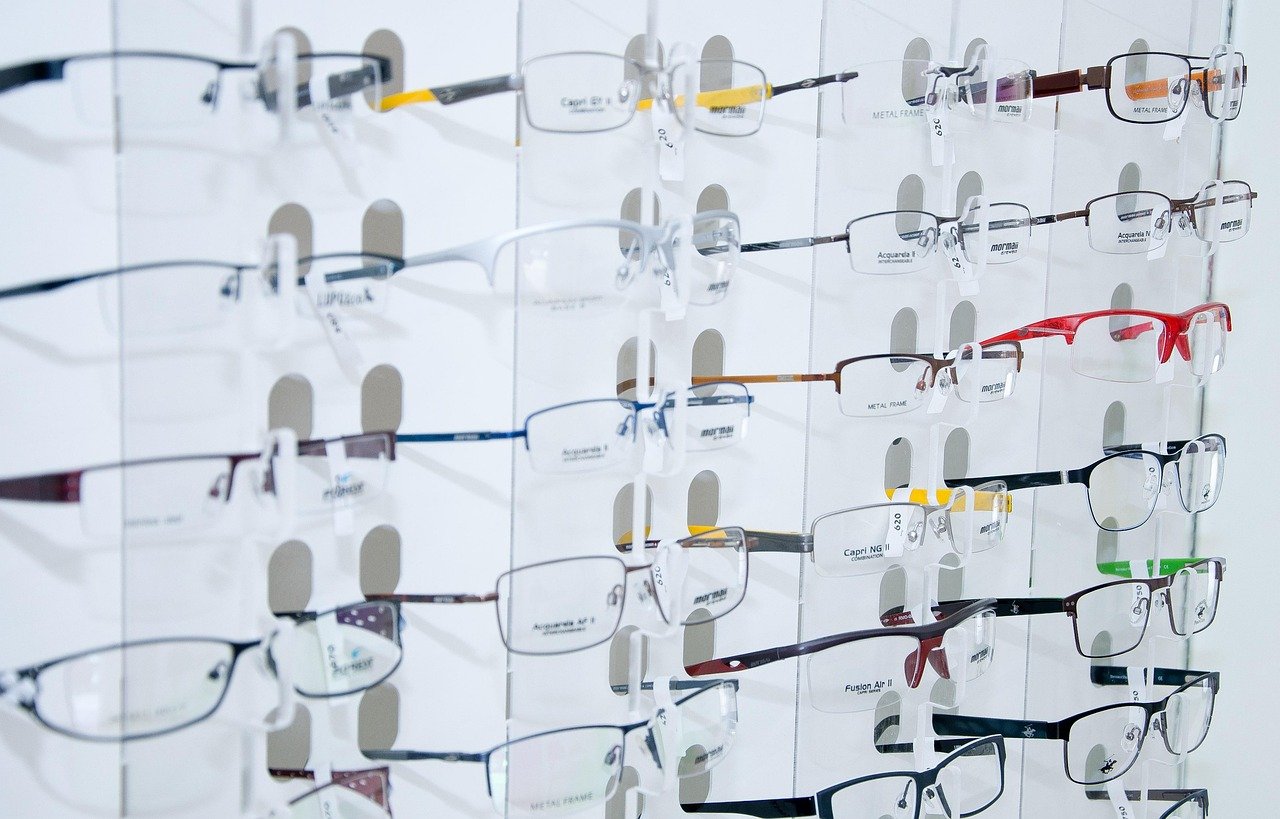
What moves the price is the lenses, not the frame. A strong prescription needs thinner high-index lenses, and thin costs money; anti-glare and blue-light coatings stack on top of that. The frame wall in front of you covers a wide range but it is rarely where the number comes from. The efficient way to shop is to say your total budget out loud at the start and let them work backward to it. Staff here will do that without any awkwardness about it.
Contacts, and the part that surprises people even more

Here’s the detail that tends to get the most surprised reactions: you can buy contact lenses in Korea without a prescription on hand. The shop will just check your vision themselves, same as with glasses, and sell you the lenses based on that. This is very different from a lot of Western countries where contacts are treated more strictly than glasses and require a separate, specific prescription from an eye doctor. I’m not a fan of people over-relying on this without getting a proper checkup once in a while, especially if you wear contacts daily back home — but for someone who just wants a spare pair or ran out mid-trip, it’s remarkably convenient.
One caution that fits alongside that convenience. Contact lenses are sold casually here, colour lenses especially, and the numbers that matter are not only the power — base curve and diameter differ between brands, and a lens that sits wrong is uncomfortable for reasons that have nothing to do with your prescription. Bring the box you use at home, or a photo of the side of it. Handing over that little block of numbers gets you the right equivalent in about a minute.
Don’t forget the tax refund
Something a lot of visitors miss entirely: glasses purchases qualify for the tourist tax refund (Tax Free) system, same as most retail goods in Korea, as long as you spend over the minimum threshold at a participating store (usually around 15,000 won, though check the current posted minimum) and get the refund paperwork done before you leave. Ask the shop directly whether they’re registered for Tax Free — most shops that deal regularly with tourists are, and they’ll hand you the refund slip without you needing to explain the whole process. You then process it at the airport before your flight. It’s a small thing, but on a pair of glasses it can knock a meaningful chunk off the price.
A few practical notes before you go
Bring your passport. Some shops ask for it for the Tax Free paperwork, and if you’re getting a proper eye exam done, some places like to see ID as a matter of routine, even if it’s not strictly required everywhere. If your current glasses are giving you trouble, bring them along too — it gives the shop a quick reference point even before they run their own test. And if you’re nervous about the language barrier, a simple move that works well is pulling up your current prescription (a photo on your phone is fine) or just writing down “I want an eye exam and new glasses” translated ahead of time. Staff in the busier tourist areas have seen every version of this and are generally patient about it.
Bring your current glasses too, even the scratched pair you were going to leave at the hotel. They can read the prescription straight off the lenses in a minute, which is the fastest way to settle any doubt about whether the new test landed in the right place. And photograph the prescription card before you walk out. It is a small piece of paper that is easy to lose and genuinely useful later, whether you are ordering online from home or replacing a lens next year.
I’ll be honest, I still think it’s a little funny that this became a whole TikTok trend, because to anyone who’s lived here a while it’s just… how you get glasses. But I get why it lands as wild to people coming from a system where you wait weeks for an appointment slot, then more weeks for the lenses to come in. If you need glasses or contacts while you’re here anyway, there’s genuinely no downside to just getting it sorted during the trip.
Read next
- Korean Cushion Foundation Shades: What 21 and 23 Actually Mean — The other thing visitors buy here and can’t get at home.
- Why You’re Suddenly an XXL in Korea (And Where to Actually Find Your Size) — Why nothing else in the shop fits either.
- Why Koreans Wear Sunscreen Every Single Day, Even Indoors and in Winter — The daily habit behind half of Korean skincare.