The machine ate about forty seconds of my friend’s evening before it spat her card back out with a message she couldn’t read. Eleven at night, a bank vestibule with the glass door propped open, her flight had landed six hours earlier. The card was fine. The bank was fine. The machine just wasn’t one of the ones that talks to foreign networks, and there is no sticker on the front that says so in a way a first-time visitor would notice.
This happens constantly, and it makes people panic more than it should. So here’s the practical version: how to spot the ATMs in Korea that accept foreign cards, roughly what each withdrawal costs you, and the handful of small things that cause most rejections.
First: you probably need less cash than you think
Korea is close to genuinely cashless. Taxis take cards. Buses and the subway take cards. Convenience stores, cafés, chain restaurants, department stores, movie theaters, even most of the vending machines in a decent subway station — card. I go weeks without touching a banknote and I live here.
Where cash still shows up:
- Traditional markets. Gwangjang, Jagalchi, any neighborhood market with plastic stools — plenty of the older vendors have a card reader now, but the ones who don’t will just say hyeongeum-man (cash only) and shrug.
- Street food carts, especially the late-night pojangmacha kind.
- Small, old, family-run restaurants. The kind with a handwritten menu on the wall.
- Tiny entrance fees at rural temples or small local museums.
- Splitting a bill with Korean friends, who will almost certainly be using a bank transfer app you don’t have.
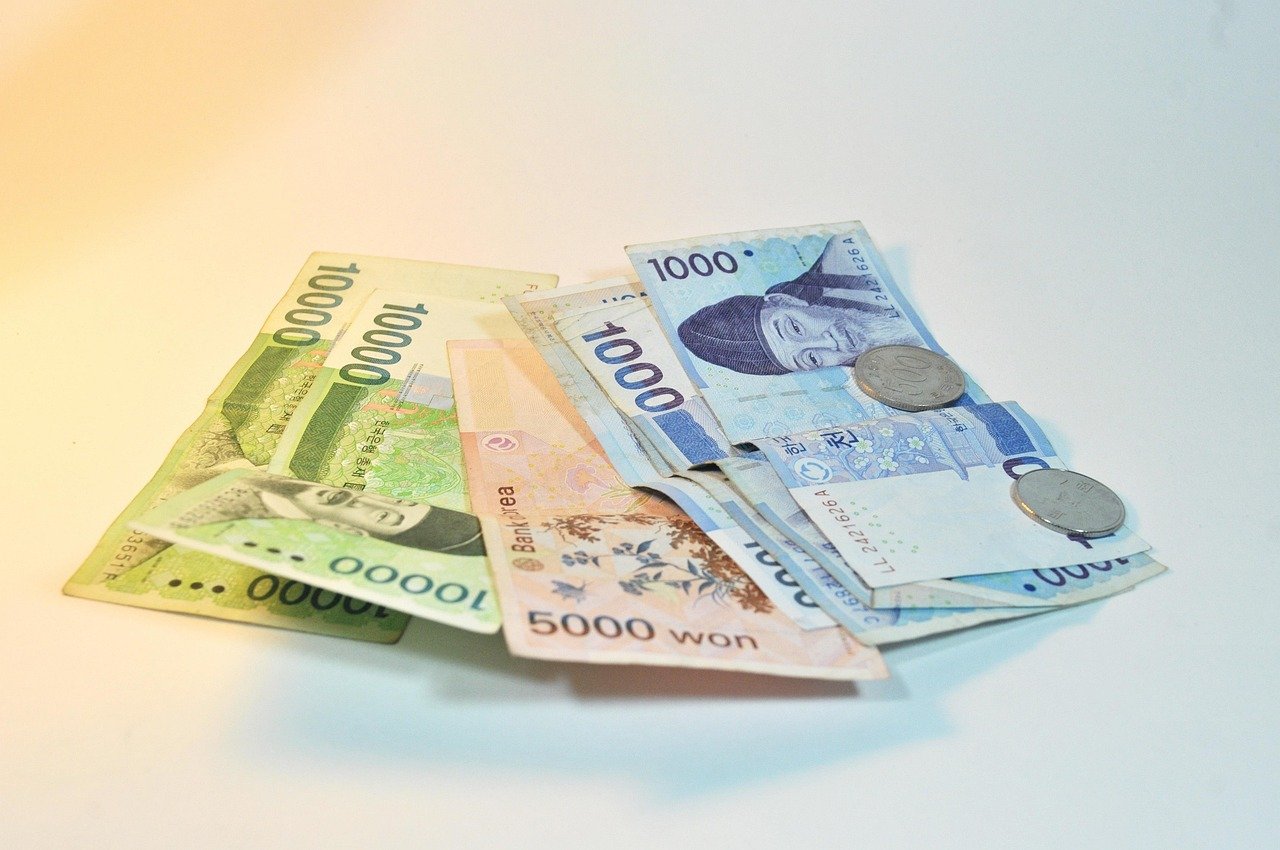
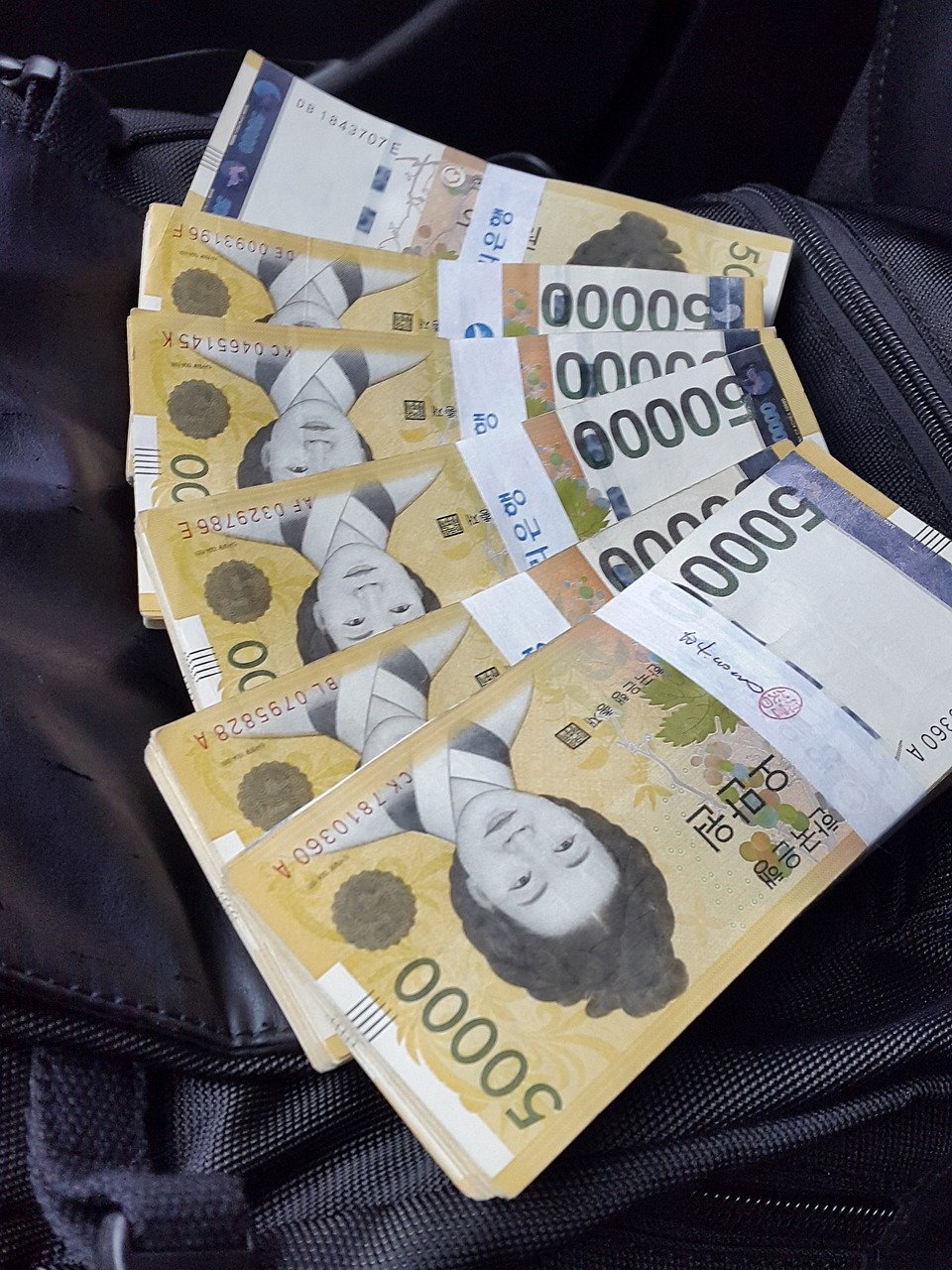
So the honest answer to “how much cash should I bring to Korea” is: not much. ₩100,000 to ₩200,000 in your pocket covers a lot of market food and taxi weirdness. Withdraw in bigger chunks less often, because the fee structure punishes small frequent withdrawals — more on that below.
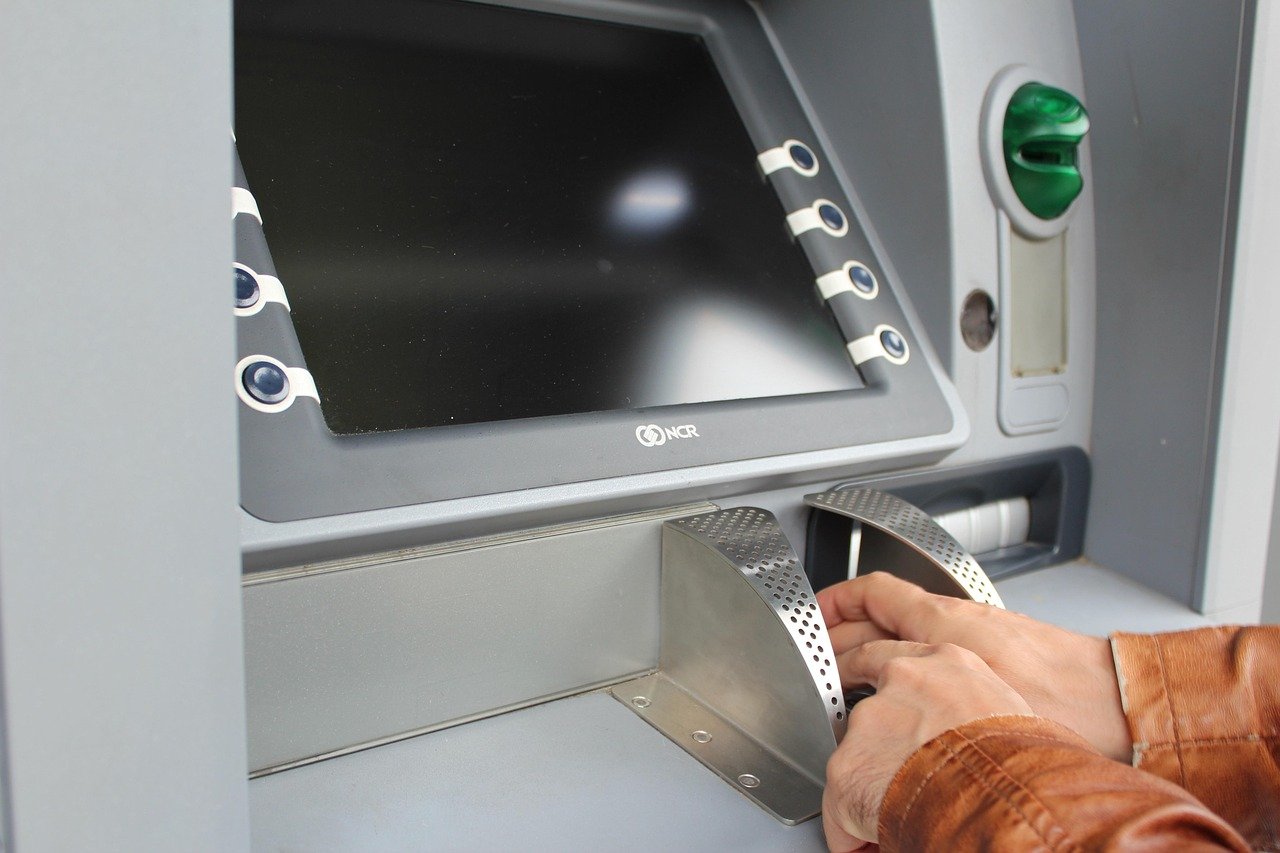
How to tell if a machine will take your card
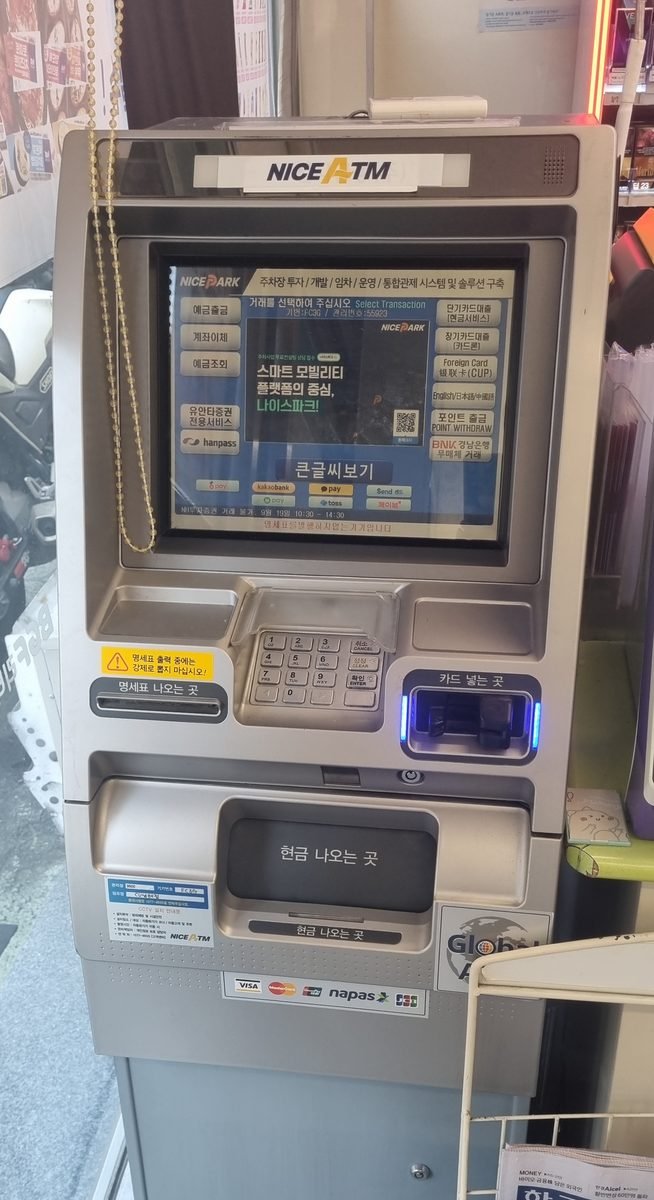
Look at the logo panel. It’s usually a strip of small network marks near the card slot or along the top of the screen. You want to see the network your card belongs to:
- Visa / Plus — most common, widely accepted.
- Mastercard / Cirrus / Maestro — also common.
- UnionPay — extremely well supported here.
- JCB — supported at a decent number of machines.
- American Express — the fussiest. Some bank machines take it, many don’t.
A lot of machines also have a sticker or on-screen banner that literally says Global ATM or Global in English. That’s your shortcut. If you see it, that machine is set up for overseas cards and will offer an English menu.
By network, the ones that have been reliable for me and for visitors I’ve helped:
- 7-Eleven machines. The single easiest option. Almost every 7-Eleven in a city has one, they run 24 hours, the English menu is fine, and they’re on virtually every street corner.
- Bank machines: Woori, Hana, Shinhan, KB Kookmin, NH Nonghyup. The ones inside a branch lobby are the most likely to be full-service Global ATMs. The standalone ones on the street are hit and miss.
- Post office (우체국) machines. Underrated, quietly good, and post offices are everywhere. Weekday hours only for the ones inside the building.
- Airport machines. Incheon and Gimpo arrivals halls have a row of them right past customs. They work, they’re expensive, and they’re the correct choice for your first ₩100,000 so you’re not fumbling at midnight with no money.
- GS25 and CU machines. Genuinely variable. Some are full Global ATMs, some are domestic-only boxes. Check the logo strip before you insert anything.
One more quirk: some bank ATMs sit behind a glass door that locks after hours, and some machines shut down entirely overnight or restrict which functions they offer. Convenience store machines don’t have this problem, which is most of why I keep recommending them.
What it actually costs
Three separate charges stack up, and this is the part people underestimate.
- The machine’s own fee. Roughly ₩3,000–₩5,000 per international withdrawal, depending on the operator and sometimes on the time of day. It’s shown on screen before you confirm — read that screen, it’s in English.
- Your own bank’s foreign ATM fee. Whatever your bank at home charges for an overseas withdrawal. Could be nothing, could be $5.
- The exchange rate margin. Usually 1–3% baked into the rate, plus a foreign transaction fee on some cards.
Two withdrawals of ₩100,000 cost you double the flat fees of one withdrawal of ₩200,000, and the flat fees are the bulk of it. Take out more, less often. Obvious, but people don’t do it.
Fees drift over time and vary by operator, so treat those numbers as a ballpark and trust the confirmation screen in front of you over anything you read online, including this.
The screen you should always say no to
At some point the machine will offer to charge you in your home currency. It’ll say something like “Would you like to proceed with conversion?” and show you a helpfully precise dollar or pound figure, and one button will be greyed out in a way that makes the other one look like the obvious choice.
Decline it. Choose without conversion, or the option that keeps the amount in Korean won.
That’s dynamic currency conversion, and the rate it uses is worse than your own bank’s — sometimes noticeably worse. The screen is designed to feel like a courtesy. It isn’t one. Say no, take the won amount, and let your bank do the conversion.
This one habit saves more money than picking the perfect ATM.
Why your card got rejected
In rough order of how often it turns out to be the actual cause:
- Wrong machine. Genuinely the most common. Before you assume anything is wrong with your card, walk to a different brand of ATM. A 7-Eleven machine is a good control test.
- Your PIN isn’t four digits. Korean ATMs expect a 4-digit PIN. If yours is six, the keypad may not accept it at all. Change it before you fly.
- International withdrawals aren’t switched on. A lot of banks now default overseas ATM use to “off” until you enable it in the app. Check this before you leave home, not from a Korean street corner at 1 a.m.
- You’re trying to tap. Contactless doesn’t do anything here. Insert the card and leave it in — the machine holds it until the transaction is finished.
- The amount is over the per-transaction cap. Machines commonly cap a single foreign-card withdrawal somewhere between ₩100,000 and ₩1,000,000. Ask for less and try again.
- Fraud block. The withdrawal that got flagged is usually the second or third one, not the first. Most banking apps let you clear it yourself in about a minute.
And a small mechanical thing: Korean ATMs return your card, then the cash, then the receipt, as three separate steps. People take the cash and walk away. Wait for all three.
The English menu is there, you just have to ask for it
Most Global ATMs open on a Korean screen and have an ENGLISH button in a corner, or a small globe icon. Press it first, before you insert your card. Some machines lock the language once the transaction starts, which is annoying enough that it’s worth the extra two seconds up front.
The flow after that is unremarkable: language, insert card, PIN, withdrawal, amount, decline the conversion, take card, take cash, take receipt.
Cash exchange, if you’d rather not use an ATM at all
Bringing physical currency and exchanging it is still a reasonable play. The airport counters are convenient and give you the worst rate you’ll see all trip — fine for a small emergency amount, bad for your whole budget.
The small independent exchange shops around Myeongdong and Namdaemun in Seoul are locally famous for better rates than the banks, and they’re not a scam; they’re just tiny storefronts with a rate board and a guy behind glass. Bring your passport. Bank branches will also exchange, at a middling rate, during weekday business hours only.
What I’d actually tell a friend flying in tomorrow
Enable overseas withdrawals in your banking app tonight. Make sure your PIN is four digits. Land, pull ₩100,000 from an airport machine so you’re not stuck, eat the fee, move on. After that, use 7-Eleven ATMs, pull ₩200,000–₩300,000 at a time, and always, always refuse the currency conversion offer.
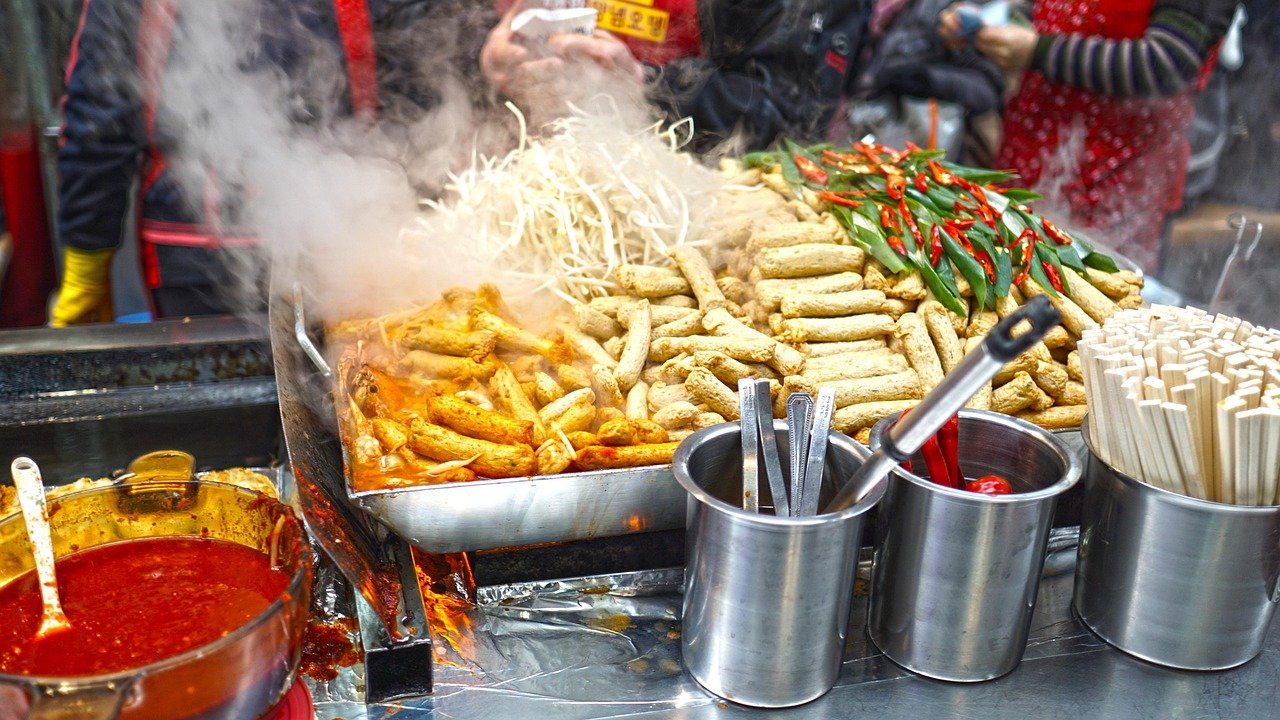
Then mostly forget about cash, because you’ll be tapping your card for nearly everything anyway — right up until you’re standing in front of a woman ladling out tteokbokki from a cart at 10 p.m. who wants ₩4,000 in paper money and is not interested in your problems.
Read next
- T-Money Card in Korea: Where to Buy It, Where to Use It, and How to Get a Refund — What the cash is mostly for.
- Tax Refund in Korea: How It Actually Works at the Store and the Airport — Getting some of it back at the airport.
- Getting Sick in Korea: What to Do, Who to Call, and What It Actually Costs — When you suddenly need a lot of it.