Someone asked me recently why every other storefront in Korea seems to be a coffee shop, and whether that means coffee here is cheap. The honest answer is: it depends entirely on which door you walk through, and those two doors can be twenty steps apart on the same block.
How much is a coffee in Korea?
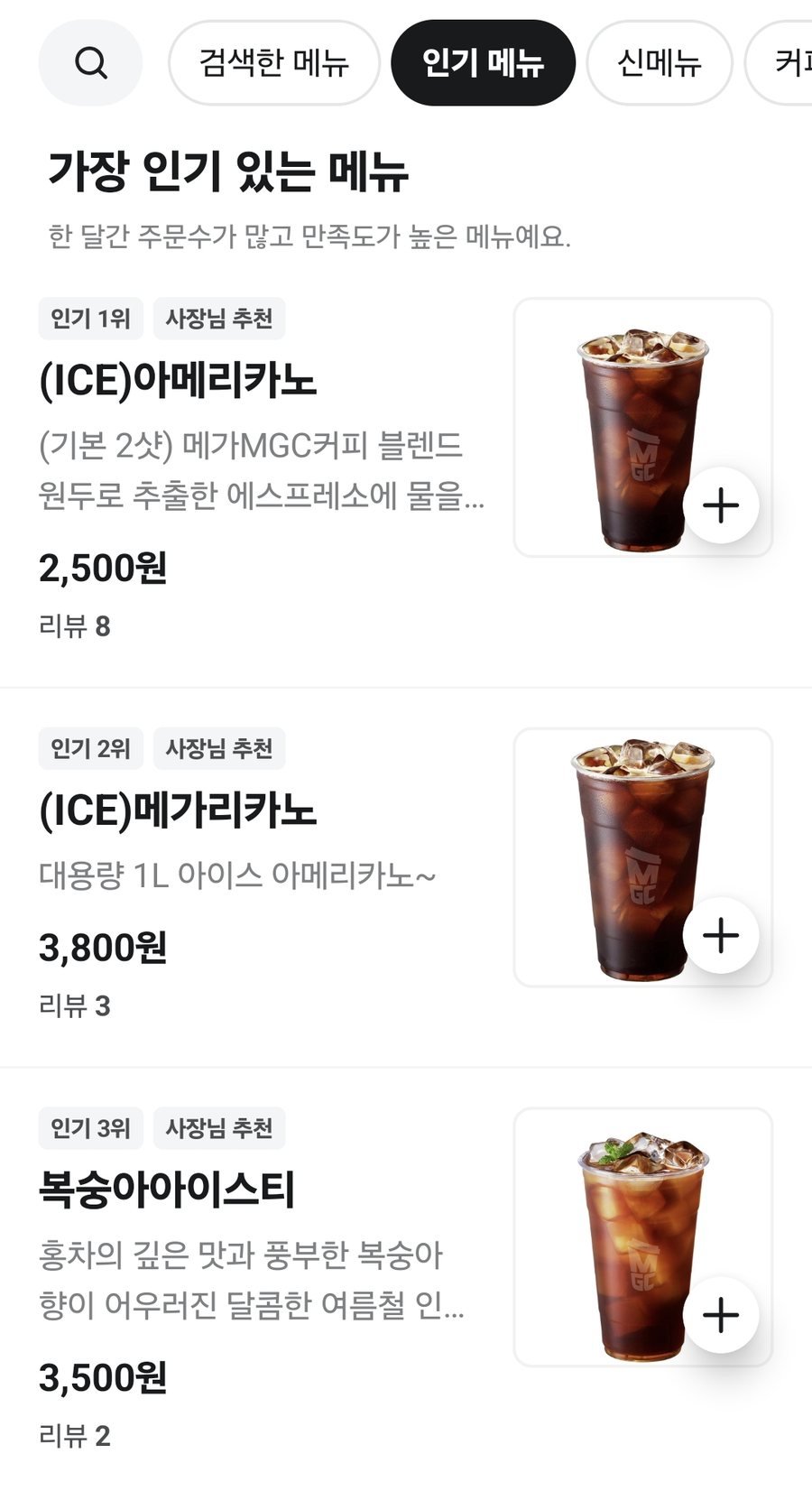
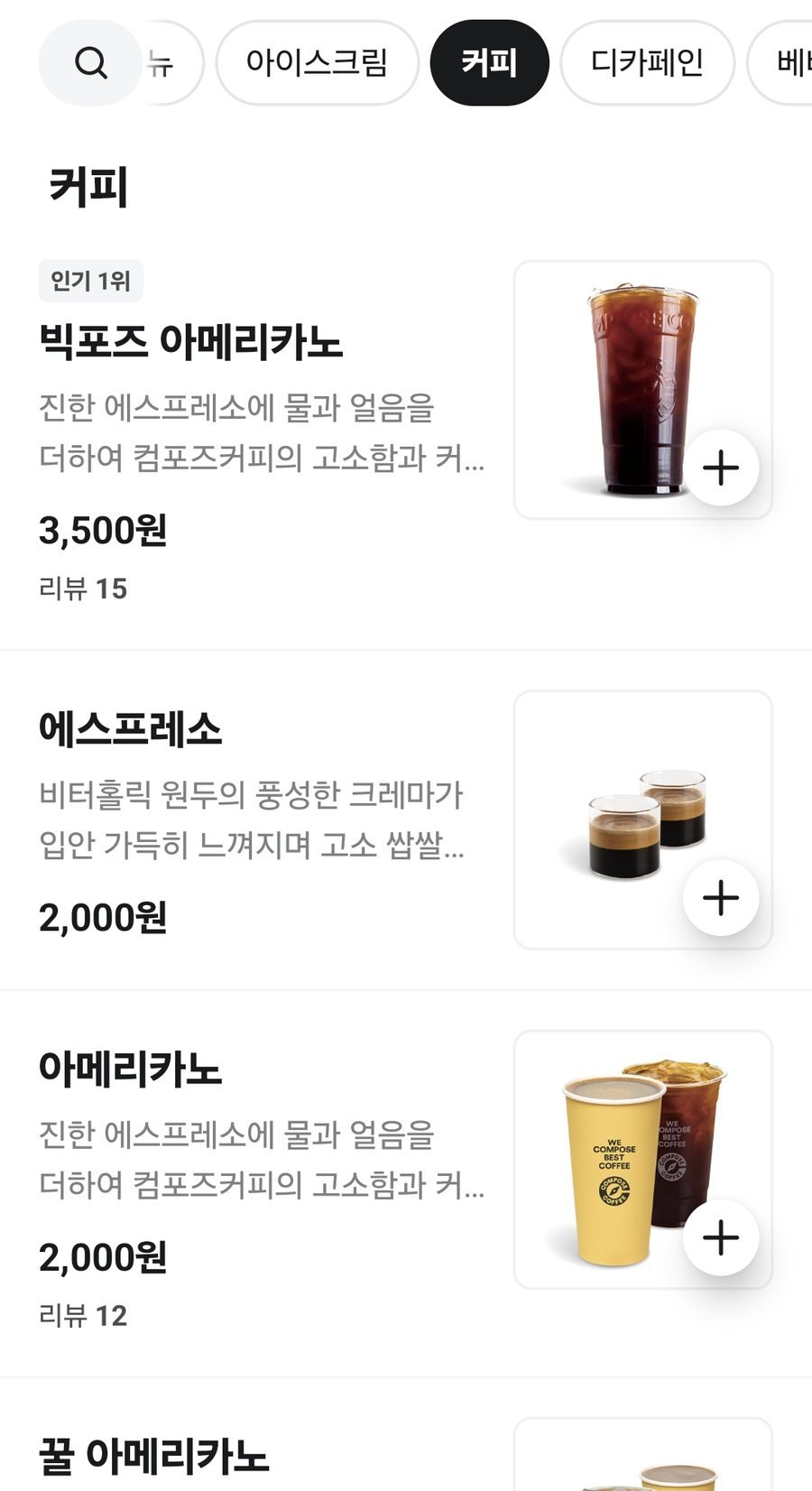
An americano is about 2,000 to 2,500 won — roughly a dollar and a half to under two dollars — at the take-out chains most people here actually use. It is 4,500 to 5,000 won at Starbucks, and 7,000 to 9,000 won at a design-led independent cafe. Canned coffee from a convenience store comes in under 2,000 won.
| Where | Americano | Cafe latte |
|---|---|---|
| Convenience store, canned or bottled | under 2,000 won | — |
| Mega Coffee, Compose, Paik’s, Ediya | 2,000–2,500 won | 2,500–3,000 won |
| Starbucks, Twosome Place, Angel-in-us | 4,500–5,000 won | higher again |
| Independent cafes (Seongsu, Hannam) | 7,000–9,000 won | 7,000–9,000 won |
Which is why both answers you have heard are true. The floor here is very low and the ceiling is the same as anywhere else, so “is coffee cheap in Korea” comes down entirely to which door you walk through. That is what the rest of this is about.
One caveat on the numbers: none of these chains publish prices on their websites, and each of them nudges everything up every year or two. What holds steady is the distance between the rows. If the cheap tier has gone to 2,000 won by the time you read this, the sit-down tier has gone up too, and the ratio you’re looking at is still about three to one.
Korea has, by some counts, more cafes per capita than almost anywhere in the world. Seoul alone has something like fifteen Starbucks locations within a few subway stops of each other in the busier districts. But the reason there are so many isn’t that everyone’s paying premium prices for lattes. It’s that there’s a whole separate tier of coffee that most first-time visitors never notice, and that’s where the real story is.
The cheap chains nobody tells you about
Walk a few more blocks in almost any Korean neighborhood, even a fairly quiet residential one, and you’ll run into names you’ve probably never heard of: Mega Coffee, Compose Coffee, Paik’s Coffee, Ediya. These are takeout-only or mostly-takeout chains, usually a single small counter with maybe two employees, no seating to speak of, and an americano for around 2,000 to 2,500 won. That’s roughly a dollar and a half to under two dollars. A cafe latte tops out around 2,500 to 3,000 won at most of these places.
I default to one of these on a normal day without really thinking about it. It’s not a downgrade in my head, it’s just the default setting for coffee here, the way grabbing a plain drip coffee might be normal somewhere else. The quality isn’t Starbucks-level espresso, and nobody’s pretending it is, but it’s completely fine, and the sheer density of these places means there’s usually one within a two-minute walk no matter where you are.
They aren’t interchangeable, though, and since you’ll be choosing between them several times a day, here’s what each one is actually like.
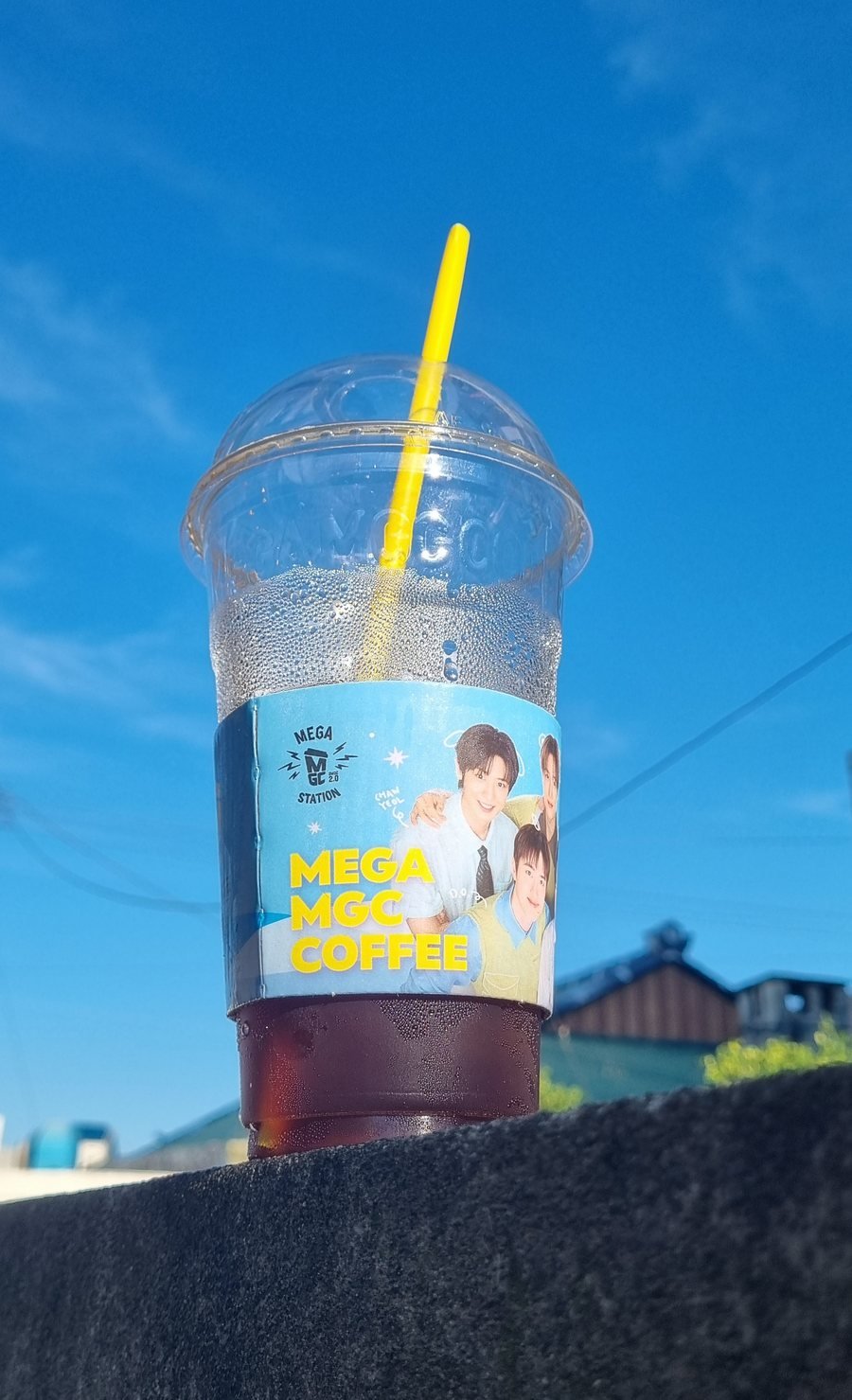
Mega Coffee is the one you’ll see most — yellow and black signage, usually a small unit wedged between a chicken shop and a phone store, and it reaches towns small enough that the nearest Starbucks is an hour’s drive. A hot americano is 2,000 won and the iced one 2,500, and the iced cup is larger than the price suggests, which is the entire pitch. Seating is a window counter and two stools if you’re lucky.
Compose Coffee is the other one that’s genuinely everywhere, frequently directly across the street from a Mega, and usually a few hundred won cheaper on the americano — 2,000 won against Mega’s 2,500 for the iced cup, the last time I checked both. Same format, same speed. If you can see both from where you’re standing, the honest advice is to pick whichever side of the road you’re already on.
Paik’s Coffee comes from the restaurant group behind half the food programmes on Korean television, and the drinks are correspondingly generous. Its reputation is size and sweetness: big cups, very sweet iced options in summer, and the longest queue of the three on a hot afternoon. The plain americano is still in the same cheap band. This is the one to know if you don’t actually like coffee much, because it has the widest range of things that barely taste like it.
Ediya is half a step up and breaks the pattern — prices run a little above the others, closer to 2,500 to 3,200 won for an americano, and in exchange there are usually real tables and chairs, sometimes a whole second floor of them. It’s the middle ground between a takeout window and a proper cafe.
Beyond those four there are dozens more — The Venti, whose name is the product description and whose cups are enormous for the money, plus Mammoth, Banapresso, Coffee Bay and regional chains that dominate one province and don’t exist in the next. You don’t need the names. The rule that works: small shop, backlit board of drink photographs, nowhere to sit, americano under 2,000 won. That heuristic has never failed me.
Then there’s the other tier
Starbucks in Korea runs close to what you’d pay in the US, sometimes a little more — a tall americano lands around 4,500 to 5,000 won, and it climbs from there for anything with syrup or milk foam involved. Local chains like Twosome Place and Angel-in-us sit in roughly the same range. And then above that is an entire category of independent, design-forward cafes, especially in neighborhoods like Seongsu or Hannam, where a single coffee can run 7,000 to 9,000 won and you’re partly paying for the building it’s served in. Some of those places are genuinely stunning, converted warehouses, rooftop views, that sort of thing, and I don’t think the price is unreasonable for what it is. It’s just not the same category as the counter-service places.
The reason both tiers thrive on the same street is that they’re selling different things. Floor space is the expensive part of running a shop in a Korean city, and the cheap chains barely buy any — no sofas, no reading tables, nobody nursing one cup for three hours, just a counter and turnover. Starbucks is renting you a table with wifi and a power outlet, and the coffee is the ticket price for the room. Same ingredient, different business.
So when people say coffee is cheap in Korea, what they usually mean, whether they realize it or not, is that the floor is very low. You can get a completely drinkable americano for barely more than a dollar almost anywhere. What throws visitors off is that the ceiling is just as high as anywhere else, and the fancy end of the market is the one that ends up on Instagram, which skews the whole impression.
A few things worth knowing if you’re actually trying to save money
Convenience store canned or bottled coffee is even cheaper than the counter chains, usually under 2,000 won, and honestly some of the canned options are better than you’d expect. Not the same as fresh-brewed, obviously, but fine for a quick caffeine fix between subway transfers. Many of those same stores also have a bean-to-cup machine by the counter selling a hot americano for around 1,000 won, which is the cheapest fresh coffee in the country.
Ordering is almost always kiosk or counter-based at the cheap chains, no table service, and cash isn’t really expected anywhere at this point — card or a payment app covers it everywhere I’ve been. Sizes also run a bit smaller than American chains by default, so don’t assume a small is the same volume you’re used to; it usually isn’t, and asking for a larger size is normal and cheap to do.
The sequence trips up first-timers, so: you pay first, always. The kiosk has an English button in a corner and will ask about loyalty points and receipts halfway through, which you can decline. Then you’re handed a pager — a plastic puck that buzzes when the drink is ready — and nobody brings anything to your table. Next to the collection point is a self bar with water, lids, straws, sugar and napkins; help yourself, because nobody will offer. On the way out you clear your own cup at the return counter, liquid down the drain slot, cup and lid and straw into separate bins.
One more ordering note: iced is the default here in every season. There’s even a word for the habit — eoljukah, short for “I’d rather freeze to death than drink it hot” — and in a country where the floors, buses and subway seats are all heated, a cold drink in February is less strange than it sounds. If you want yours hot, say so clearly rather than assuming.
One more thing that surprises people: the cheap chains aren’t some hidden budget secret confined to a few areas. They’re everywhere, including next to office buildings and near universities, because a huge number of locals genuinely prefer them for the daily grab-and-go. It’s not a tourist workaround. It’s just how a lot of coffee gets bought here.
Read next
- Sungsimdang in Daejeon: Is Korea’s Most Famous Bakery Actually Worth the Line? — The bakery worth the price of the coffee.
- Korean Convenience Store Food: What to Actually Buy (Price List Included) — The cheap end of the same habit.
- Do You Tip in Korea? What Actually Happens When You Try — Whether you’re supposed to tip for any of it.