The gap is always the same shape. Checkout is at eleven, the flight is at nine, and somewhere in between you are standing on a sidewalk with a suitcase that has somehow gained eight kilos of skincare and instant noodles since you landed.
Seoul handles this better than most cities. There are coin lockers in nearly every subway station, plus a whole second layer of paid storage shops sitting on top of them. What nobody explains is which one you actually want, and the part that decides everything: whether your bag physically fits.
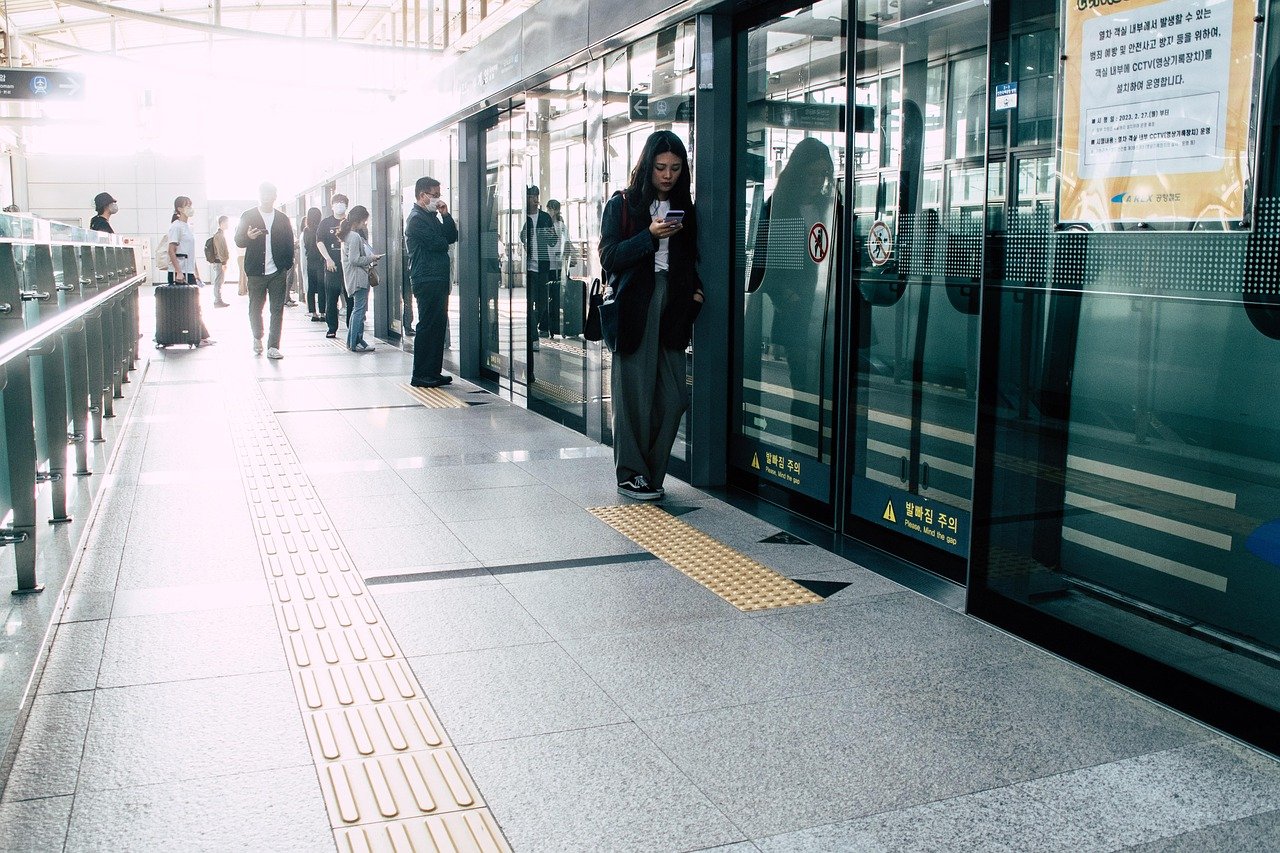
Two different systems, and people confuse them constantly
Station lockers are the self-service metal banks you see near the exits and transfer corridors. Cheap, unstaffed, first come first served. You are gambling on availability and on size.
Storage services are the other thing. Cafes, convenience stores, guesthouses and small shops that hold your bag behind the counter for a daily fee, usually booked through an app like LugStay or Bounce. More expensive, but a human takes the bag, so size stops being your problem.
Most visitors default to lockers and then panic at 2pm on a Saturday when every door in the bank is red. Knowing the second system exists is half the battle.
How the lockers actually work
Walk up to the touchscreen in the middle of the bank. There is an English button, usually top right, though the Korean interface is the default and the English translation gets thin in places.
You tap the option to store, the screen shows you a map of the bank with available doors lit up, you pick one, and it pops open. Load the bag, close the door, pay.
Payment is where people get burned. Most banks now take a T-money card or a credit card, and cash is quietly disappearing from the newer machines. Here is the thing to remember: on many of these lockers, the card you paid with is the key. Tap the same card to open the door later. If you paid with a T-money card and then handed that card to a friend or dumped it at the airport, you have a problem. Some machines print a receipt with a code instead, which is safer — keep it, photograph it, don’t let it live loose in your pocket.
Time is billed in blocks rather than by the minute. The clock keeps running whether you come back or not, and you settle the balance at pickup, not upfront.
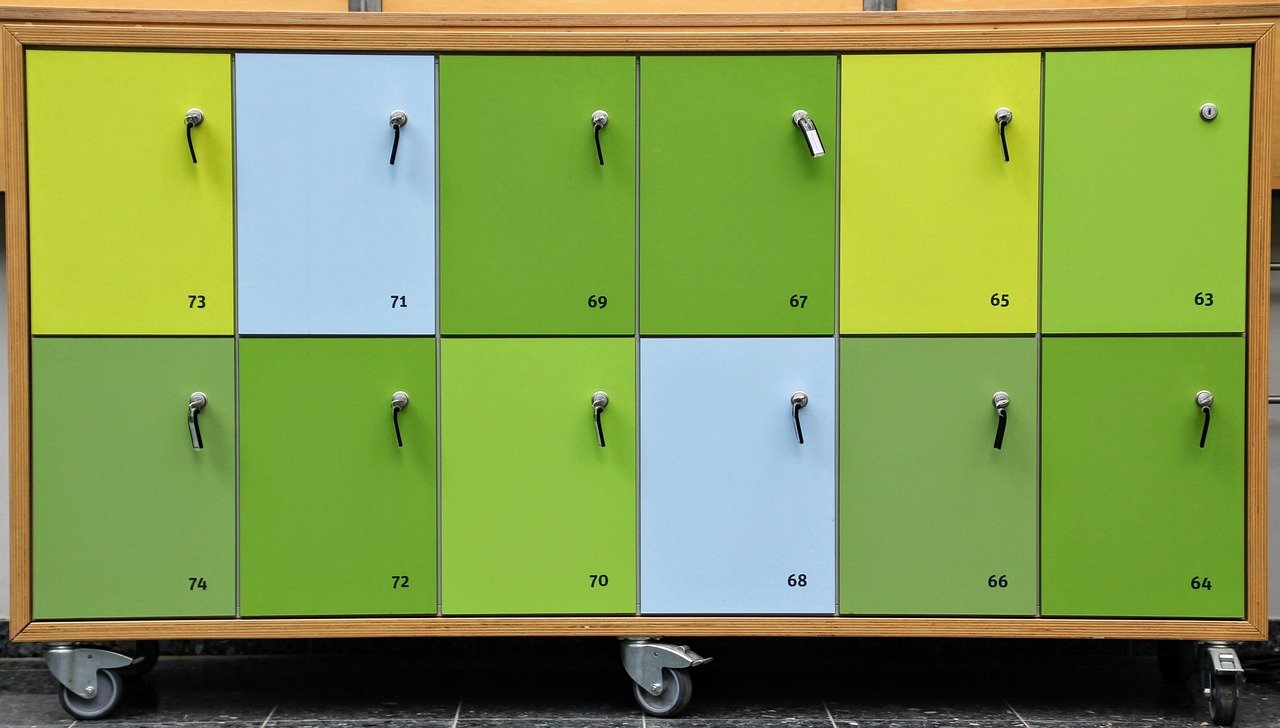
Sizes: will a 28-inch suitcase fit?
This is the question, so let me be blunt about it.
Small. A backpack, a tote, a couple of shopping bags. Do not expect a carry-on to go in here. People try. It does not work.
Medium. A standard 20 to 22 inch carry-on, standing upright, wheels going in first. A slim 24 sometimes squeezes. A fat 24 with the expansion zipper open does not.
Large. This is your 26 to 28 inch checked bag locker, and yes, a 28 usually goes in — upright, wheels first, occasionally with a shove. Soft-sided bags are far more forgiving than rigid spinners, since a hardshell either fits or it doesn’t, no negotiating.
The catch: large lockers are the rarest doors in any bank. You might see thirty small and medium slots and only four or five large ones. They are also the first to go. If your bag is over 30 inches, or it’s one of those trunk-sized things, skip lockers entirely and go straight to a storage service.
On price, expect roughly ₩2,000–3,000 per block for a small, ₩3,000–4,000 for a medium, and ₩4,000–6,000 for a large, with blocks typically running four hours. Leaving a large one all day tends to land somewhere in the ₩8,000–12,000 range. Storage services usually charge per bag per day, generally ₩5,000–10,000, sometimes less for a short afternoon.
Those are 2026 figures and locker operators nudge them upward without announcing anything, so treat them as a ballpark rather than a quote.
Seoul Station
The most useful spot in the city for this, mostly because there are two overlapping stations here — the KTX terminal above and the subway plus airport railroad below — and each has its own lockers.
The banks near the airport railroad transfer level are the obvious ones, and therefore the ones everybody hits first. Walk further into the station, toward the mainline concourse, and the odds improve noticeably. There is also a staffed storage counter on the KTX side, which is the answer for anything oversized: a bike box, a stroller, a suitcase that laughs at the large locker.
Peak crunch is early afternoon, when the checkout crowd and the pre-KTX crowd arrive at once.
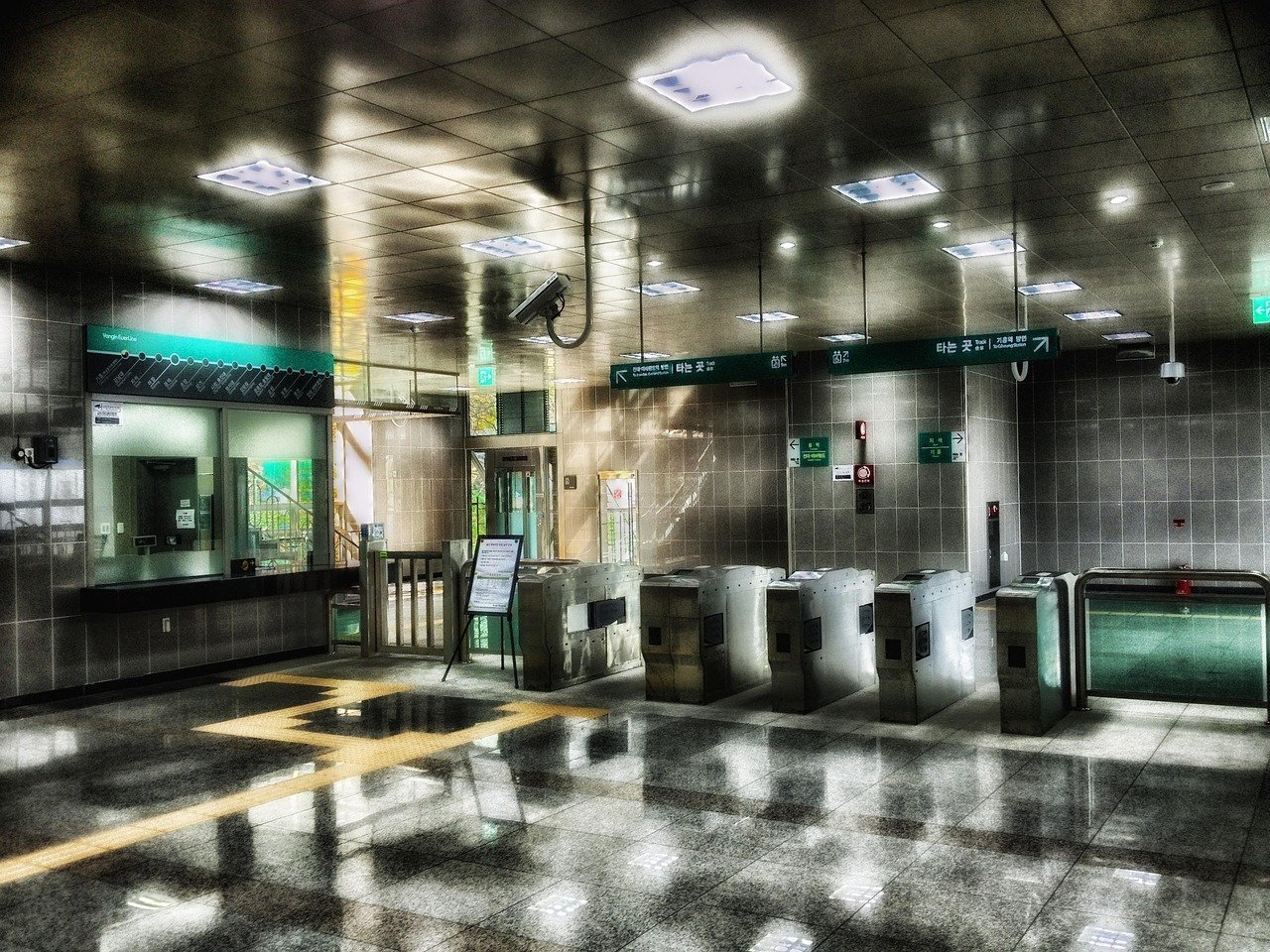
Express Bus Terminal
Down in Gangnam, and it’s less one station than three terminals stitched together with a shopping mall in the basement. That geography works in your favor.
Lockers cluster in several separate spots, and they empty at different rates. The banks near the underground shopping arcade get consumed by people who came to shop, not travel, and they hold bags for hours. The ones up on the bus boarding levels turn over much faster, because those people are actually leaving.
Large-locker odds here are genuinely better than anywhere in the tourist core. Worth knowing if you’re heading out of the city by bus anyway.
Hongik Univ. Station (Hongdae)
Statistically the worst place in Seoul to look for an empty locker, and it’s not close.
Blame the combination: it’s an airport railroad stop, it has nine exits, and the neighborhood around it is exactly where people choose to kill four hours before a night flight. By early afternoon on a Friday or Saturday, the banks are done. Not most of them. All of them.
The consolation is that Hongdae has the thickest concentration of shop-based storage in the city — cafes, phone shops, little basement counters all signed up to the storage apps. So when the lockers fail you here, the backup plan is thirty seconds away instead of a subway ride.
When every locker is full
Which will happen. In order of what to try:
Check a different bank in the same station. This is the one people miss — the touchscreen only knows about the doors it’s attached to, and a big station has several separate banks on different levels and behind different exits. Full here does not mean full there.
Ride one stop. Neighboring stations on the same line are often half empty, and a ₩1,500 fare beats standing around.
Open a storage app and find a partner shop. This is when it earns the extra cost.
Find a staffed counter. Major stations, big terminals, and most department stores will hold a bag, and department store service desks in particular are underused for this.
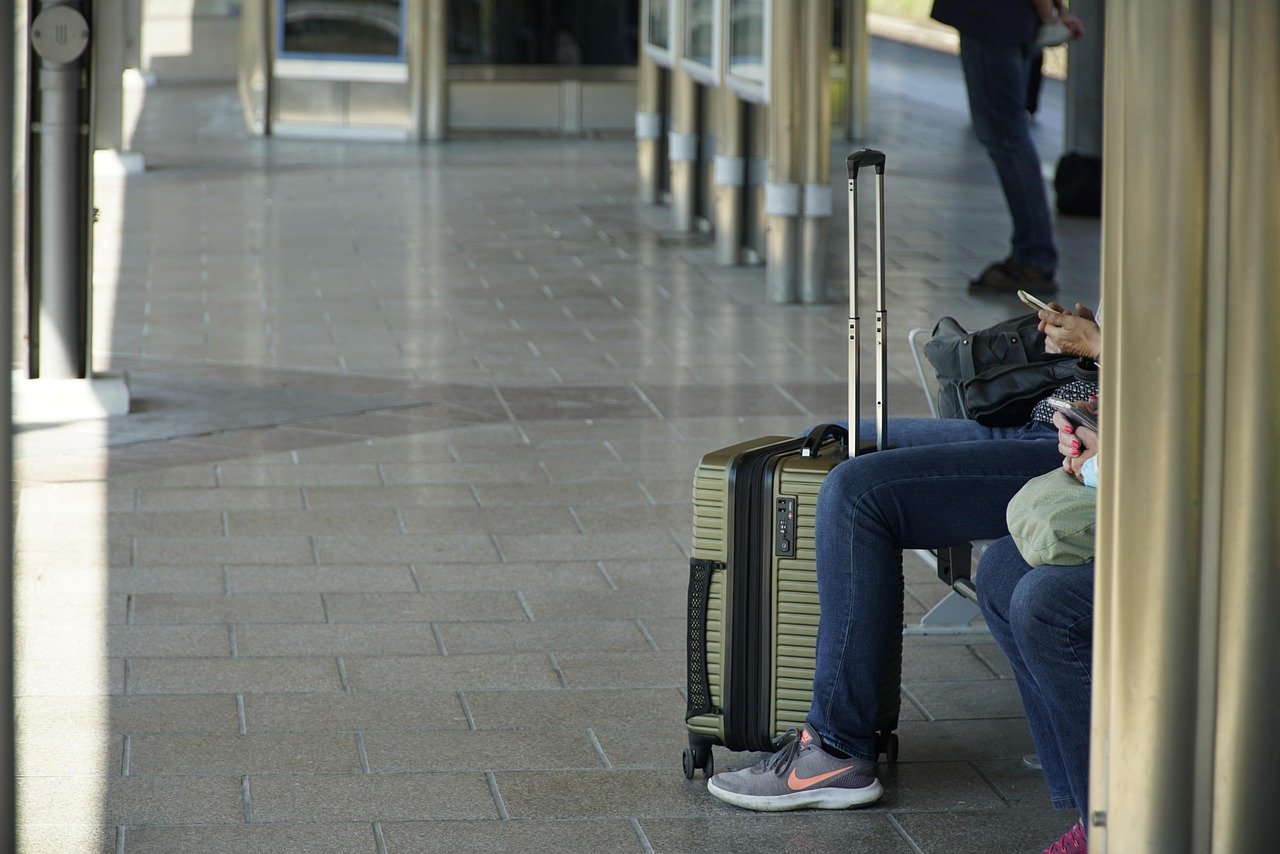
The small stuff nobody warns you about
Lockers have a maximum storage period, often somewhere between one and three days. Overstay it and your bag gets pulled and moved to a station office, along with a fee and a conversation you’d rather not have in a second language.
Some banks sit inside the fare gates. Store a bag, tap out to go sightseeing, tap back in, and you’ve paid an extra fare each way. Minor, but it adds up over a long day, and the lockers outside the gates are usually the crowded ones for exactly this reason.
Foreign cards get rejected by locker payment terminals more often than they should. A T-money card with a few thousand won on it is the fix, and if you’ve been in the country more than a day you probably already have one.
Lockers near heavy tourist areas are essentially gone by 1pm. If your plan depends on one being free, your plan needs a backup.
What I’d actually tell a friend
I’m not a tourist-spot person as a rule, but I’ve done the checkout-to-flight shuffle enough times to have opinions. If the bag is a carry-on and the day is a weekday, use a station locker and don’t overthink it. If it’s a big checked suitcase, or it’s a weekend, or you’re anywhere near Hongdae, book a storage shop on an app before you leave your accommodation. Ten minutes of planning, and you get the whole afternoon back instead of dragging a suitcase through Myeongdong looking for a miracle.
Read next
- T-Money Card in Korea: Where to Buy It, Where to Use It, and How to Get a Refund — The card that gets you to the locker.
- Samsung Station and COEX Mall: The Underground City Under Gangnam — An indoor day with your hands free.
- Your First Jjimjilbang: What Actually Happens, Step by Step — Somewhere to put the whole day, bag included.