Somebody asked me last week whether they should leave a tip after a meal here, and I realized I didn’t have a quick answer. Not because it’s complicated, exactly. It’s more that “no, we don’t tip” doesn’t really explain what actually happens if you try.
Short version: don’t. Long version: it’s a little more interesting than that.
What happens if you leave cash on the table
Most of the time, nothing dramatic. A server clears the table, finds a few extra bills sitting there, and assumes you forgot them. Best case, they chase you down the street to hand your money back. I’ve seen this happen to a couple visiting from Toronto who left about 5,000 won on a table in a barbecue place, and the ajumma ran two full blocks to catch them before they got in a cab. Worst case, whoever busses the table just pockets it awkwardly because they don’t know what else to do, and it becomes this weird unspoken thing nobody mentions.
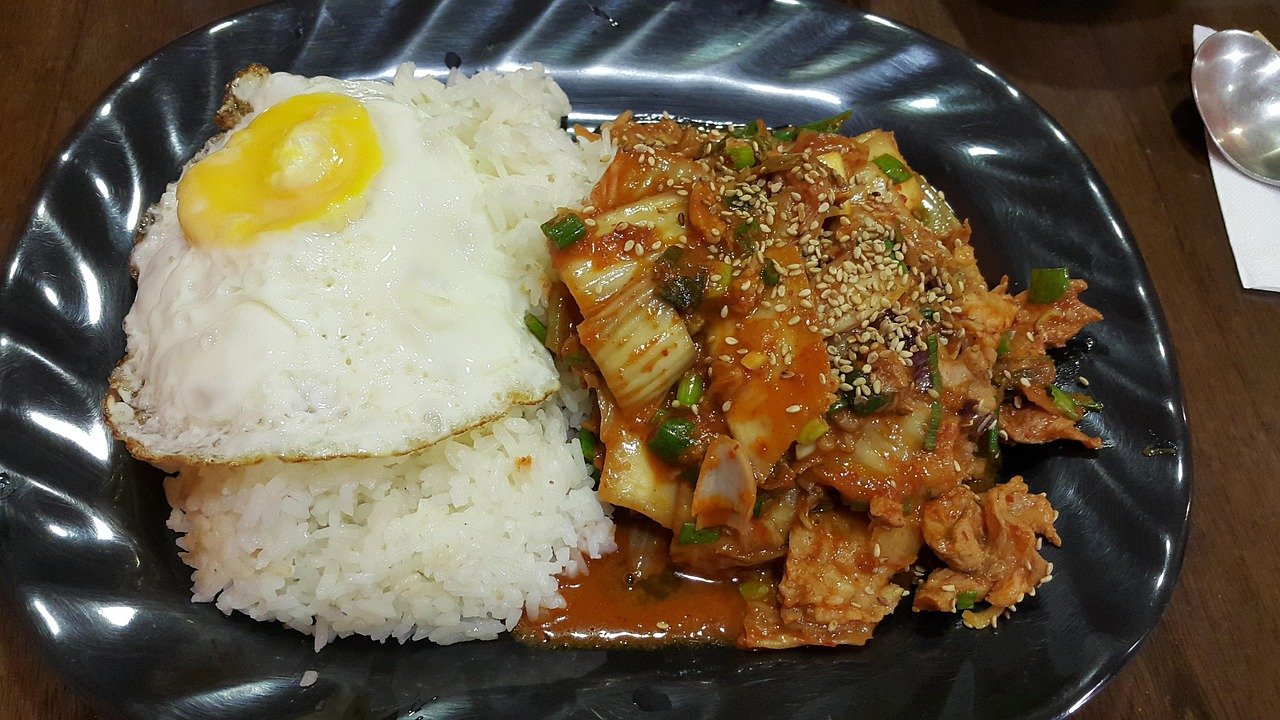
There’s no cultural switch that flips when a foreigner tips versus a local. It just reads as confusion, not generosity. Service here isn’t something you pay extra for on top of the bill; it’s already baked into what you’re charged, and workers get a wage for doing their job well, not a bonus for being nice to you specifically.
But here’s the mechanical reason it never happens, and once you see it the whole question dissolves: in Korea you don’t pay at the table. You pay at the counter. You finish eating, you stand up, you walk to the register by the door, and you settle there — often carrying a small printed slip that’s been sitting on your table since the food arrived. Nobody brings a folder with the bill in it. Nobody takes your card away and comes back. There is no moment when a server is standing over you waiting while you calculate ten percent, and no moment when you’re alone at a table with the bill and a decision to make.
That’s the actual answer to “what happens if you tip”. The gesture you’re used to needs a slot in the sequence, and Korea’s sequence doesn’t have one. Leaving cash on the table isn’t refused so much as it’s orphaned — it reads as forgotten property, because at that point the transaction is already finished somewhere else.
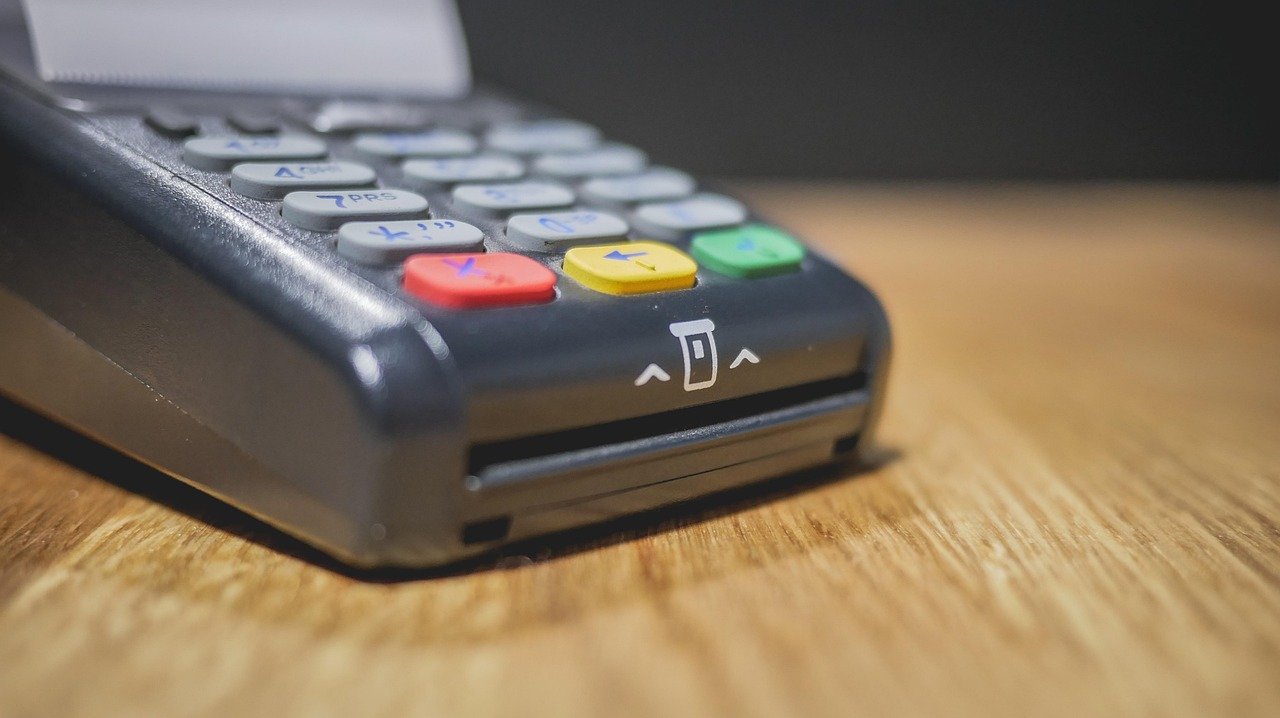
Card compounds it. Cards are the default here for everything, including a ₩1,500 coffee, so most meals end with a tap and a receipt and no cash changing hands at all. There’s no pile of change on the tray to round up, no handful of notes you’re deciding how to split. Even when people do pay cash, the change is counted back to you precisely, because that’s the job — the idea that the remainder might be intended as a gift for the cashier doesn’t occur to anyone on either side of the counter.
Taxis are where people get tripped up the most
Tourists love the idea of rounding up a taxi fare, and I get why, it’s a habit from home. But try handing a driver extra here and you’ll usually get exact change counted back to you, sometimes down to the last 100 won coin, whether you want it or not. A few drivers who deal with a lot of foreign passengers near hotels have gotten used to just waving it off with a “no, no” and moving on. It’s not rudeness. It genuinely doesn’t compute as a normal thing to do.
Where it gets slightly murkier is app-based rides, since some ride-hailing apps built for a global audience have started adding an optional tip screen after the trip. Drivers still aren’t expecting it, but a handful will take it if the app just processes it automatically. That’s a very recent, very app-driven exception, not a shift in the actual culture.
The bigger reason taxis rarely produce a tipping moment at all is that most rides here are hailed and paid through an app, with a card already on file. You get out and walk away; no cash appears, no change is handed over, nobody is standing there with a receipt. Our Kakao T guide walks through how that works for a foreign visitor, and the short version is that the payment is over before the door opens.
Where visitors genuinely get confused is surcharges, because they look like a demand for more money and they aren’t. Korean taxi meters add legally set premiums in certain conditions: a late-night surcharge in the small hours, an out-of-city surcharge once you cross the boundary of the metro area you hailed in, and a call fee if you booked through an app at a busy time. The meter shows the surcharge applying, the final number is higher than the distance suggested, and more than one tourist has read that as the driver freelancing. It isn’t — it’s a rate, the same one a Korean passenger pays at 2am, and it’s displayed rather than negotiated. If you want to avoid the late-night one entirely, the answer is the subway before it closes rather than a haggle at the curb.
Hair salons and skin clinics are a different story entirely
This is the one place I’d tell people to actually pause before assuming the blanket “no tipping” rule applies. High-end salons in ritzy neighborhoods and premium skin clinics sometimes operate closer to a Western service model, especially ones that market heavily to overseas clients. Even then, it’s inconsistent enough that asking at the front desk beforehand saves everyone an awkward moment. I wouldn’t walk in assuming either way.
There’s a specific thing at salons that gets mistaken for a tip, though, and it’s worth naming because it appears on the bill rather than in your hand: the jimyeongnyo, the designation fee. Korean salons price by who does the work. The board behind the counter lists a cut at one price with a stylist, more with a senior stylist, more again with the director — and if you ask for a particular person by name, that tier is what you pay. So the total can come out higher than the number you saw advertised, not because anyone added a gratuity, but because you chose the person. Skin clinics run the same structure with specific doctors. It’s a posted price, it’s the same for locals, and you can always take whoever is free at the base rate. The way to avoid the surprise is simply to ask which tier you’re booking when you make the appointment.
So where did the confusion even come from
Honestly, a lot of it is just Hollywood and travel forums doing what they do, flattening every country into one set of assumed rules. Japan gets the same treatment, and Korea’s version of the story is basically identical: tipping isn’t rude exactly, it’s just outside the system entirely, like trying to pay for your subway ride with a foreign coin. It’s not that it offends anyone. It just doesn’t fit anywhere.
One thing that trips people up is hotels, because a printed bill at a nicer hotel sometimes includes a service charge line, usually somewhere around 10 percent. That’s not a tip you’re choosing to leave. It’s a fixed charge that goes to the business, not handed to any individual employee, and it shows up whether you want it there or not. Bellhops and housekeeping generally don’t expect cash on top of that, though it won’t be refused outright the way a restaurant tip might be.
The other reliable source of confusion is three words on a menu or a receipt: VAT byeoldo, “VAT not included”. Ten percent gets added at the end, the total is bigger than the prices you added up in your head, and a visitor who has spent years in a tipping country reads that extra line as a service charge that someone expects. It’s tax. It goes to the government, not to the floor staff, and it isn’t optional or adjustable. Most ordinary restaurants quote prices with tax already inside, so you’ll mostly meet this at hotels, bars and the pricier end of dining — which, unhelpfully, is exactly where a foreigner is most primed to assume tipping applies.
Worth clearing up one more piece of vocabulary, because the word “tip” does appear in Korean apps and means something else entirely. Order food and you’ll see a baedal-tip line — literally “delivery tip”. It is not a gratuity for the rider. It’s the delivery fee the customer pays on the order, set by the platform and the restaurant; recent coverage of Baemin’s discount changes, for instance, is about applying store discounts to that fee before the food price. Nobody is being tipped. If you were about to add something on top out of guilt, don’t — you already paid the delivery charge in the line above.
What to do instead, if you want to show you appreciated something
If a meal was great or someone went out of their way for you, the more natural move is just saying so, loudly and specifically, ideally to their face or in a review. A lot of small, family-run restaurants live and die by word of mouth and by their Naver Map rating far more than any single tip would matter anyway. That, weirdly, lands better than cash ever would.
It sounds like a small thing to research before a trip, but it saves you an awkward chase down a sidewalk with a stranger holding out your own money, insisting you take it back.
To be concrete about the alternatives, since “just say thanks” can sound like a brush-off. Leave a review on Naver Map or Kakao Map with a photo — that is the currency small restaurants actually trade in here, and a good review from a foreign visitor gets read out to the family. Go back a second time, and a third; becoming a regular is the highest compliment this culture has, and the ajumma who recognises you will start giving you extra banchan, which is the closest thing to a tipping system Korea has and it runs in the opposite direction. If someone genuinely went out of their way — carried your suitcase up the stairs, stayed late, sorted out a problem that wasn’t theirs — bringing them a coffee or an ice cream the next time you pass is normal and lands well, and costs less than the tip you were going to leave. And if all you do is say what was good, be specific about it rather than general. “The soup was amazing” gets a real reaction. “Thank you” gets a nod.
The structural reason none of this leaves anyone short-changed: service isn’t an add-on here, it’s inside the price, and the wage underneath it is set by law and raised every year rather than assembled out of whatever customers feel like leaving. Nobody on the floor is being paid a reduced rate on the assumption that you’ll top it up. If you want to know what that wage actually is and what it buys, I went through the arithmetic in the minimum wage post — the two questions are really the same question seen from opposite ends.
Read next
- Is Coffee Actually Cheap in Korea? A Local Price Breakdown — Where the question comes up most.
- Korean BBQ Etiquette: What Actually Matters at the Table (and What Doesn’t) — The table where foreigners try hardest to tip.
- South Korea’s 2026 Minimum Wage: What ₩10,320 an Hour Actually Buys You — What the person serving you actually earns.