The number showed up on a news app in my feed sometime this year, the way these things always do, wedged between a weather alert and something completely unrelated: ₩10,320. That’s the new minimum wage per hour for 2026, a 2.9% bump from the year before, and it’s the kind of headline that means nothing to a visitor scrolling past it. But stick around long enough and start doing the math against everyday things, and it actually tells you a lot about what this country costs to live in, not just to visit.
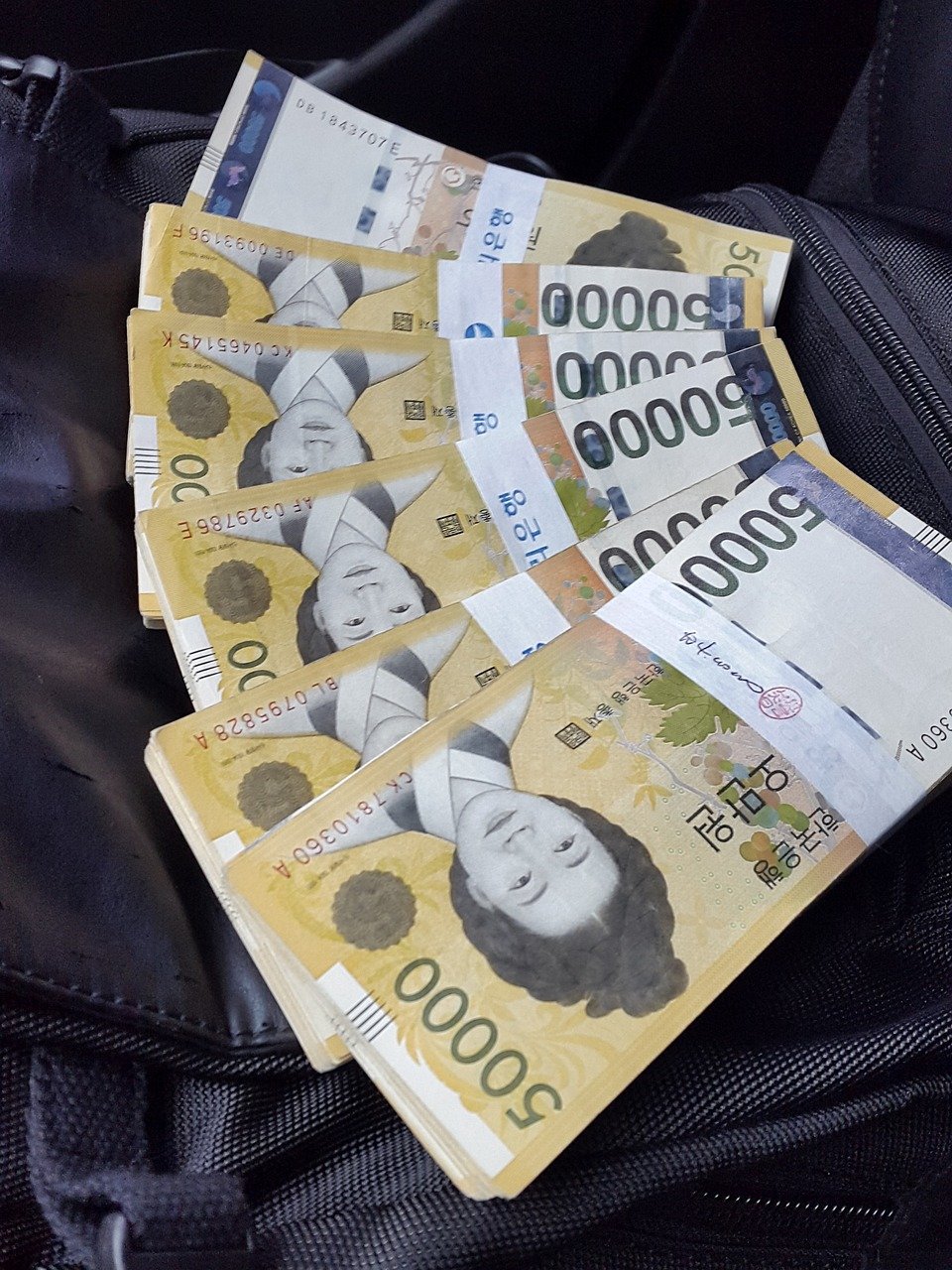
First, the plain numbers, because the news always skips this part. ₩10,320 an hour works out to about ₩2,156,880 a month for someone clocking a standard 40-hour week, before tax and before the automatic deductions for national pension and health insurance come out. Take-home for a straight minimum-wage job lands closer to ₩1.9 million most months. In dollars that’s somewhere around $1,450 to $1,550 depending on the exchange rate on a given week, which moves around more than people expect.
That monthly figure hides something worth understanding, because the arithmetic doesn’t look right at first. Forty hours a week is about 174 hours in an average month, but Korean payroll converts a full-time minimum-wage job at 209 hours. The extra 35-odd hours aren’t hours anyone works. They’re juhyu sudang — paid weekly holiday — and they’re the single most commonly stolen thing in Korean part-time work.
The rule, from the Ministry of Employment and Labor’s own guidance: if your contracted hours come to 15 hours or more in a week and you work all the days you were scheduled for, you’re owed one paid day off on top. Not time off you take — money you’re paid for a day you didn’t work. The ministry’s own worked example for part-timers is blunt about the sum: weekly hours divided by five, times your hourly rate. Work 20 hours a week at minimum wage and that’s four extra paid hours in the week, roughly ₩41,000 a month you’re owed whether or not anyone mentions it. Scale that to a 40-hour week and you get the eight extra hours that turn 174 into 209.
Two things make this worth knowing rather than just interesting. It applies to businesses of any size, including the tiny ones — the ministry states plainly that even workplaces with fewer than five staff must pay it. And the 15-hour threshold is exactly why some employers schedule part-timers at 14 hours a week.
What that actually buys, day to day
An hour of minimum-wage work covers a subway ride with room to spare — base fare in Seoul is ₩1,550 on a transit card, ₩100 more on a single-journey ticket (Seoul city’s published fare table, checked September 2026). It covers a convenience store lunch box, one of those triangular gimbap-plus-noodle combos, with change left over. It does not comfortably cover a sit-down meal at an actual restaurant, where a bowl of kimchi jjigae or a plate of bulgogi runs ₩9,000 to ₩12,000 in most neighborhoods now, closer to ₩15,000 if you’re anywhere near a tourist-heavy block. That’s roughly two hours of minimum-wage pay for one meal, and that’s before a drink.
Filling in the rest of the ladder, because this is where the number stops being abstract. One hour of that wage buys, roughly: a convenience store lunch box with change, or two rolls of gimbap, or six or seven americanos from the cheap takeout chains — the tier I went through in the coffee price breakdown — or about two hours in a PC bang. Roughly half an hour of work covers a jjimjilbang entry at an ordinary neighbourhood place, which is why a night at the bathhouse is still the cheapest legal bed in most Korean cities. Half an hour also covers the taxi flagfall, which Seoul sets at ₩4,800 for the first 1.6 km in a standard cab. A cinema ticket is an hour and a bit. A single americano from Starbucks is about twenty-five minutes; from the takeout chain next door, closer to nine.
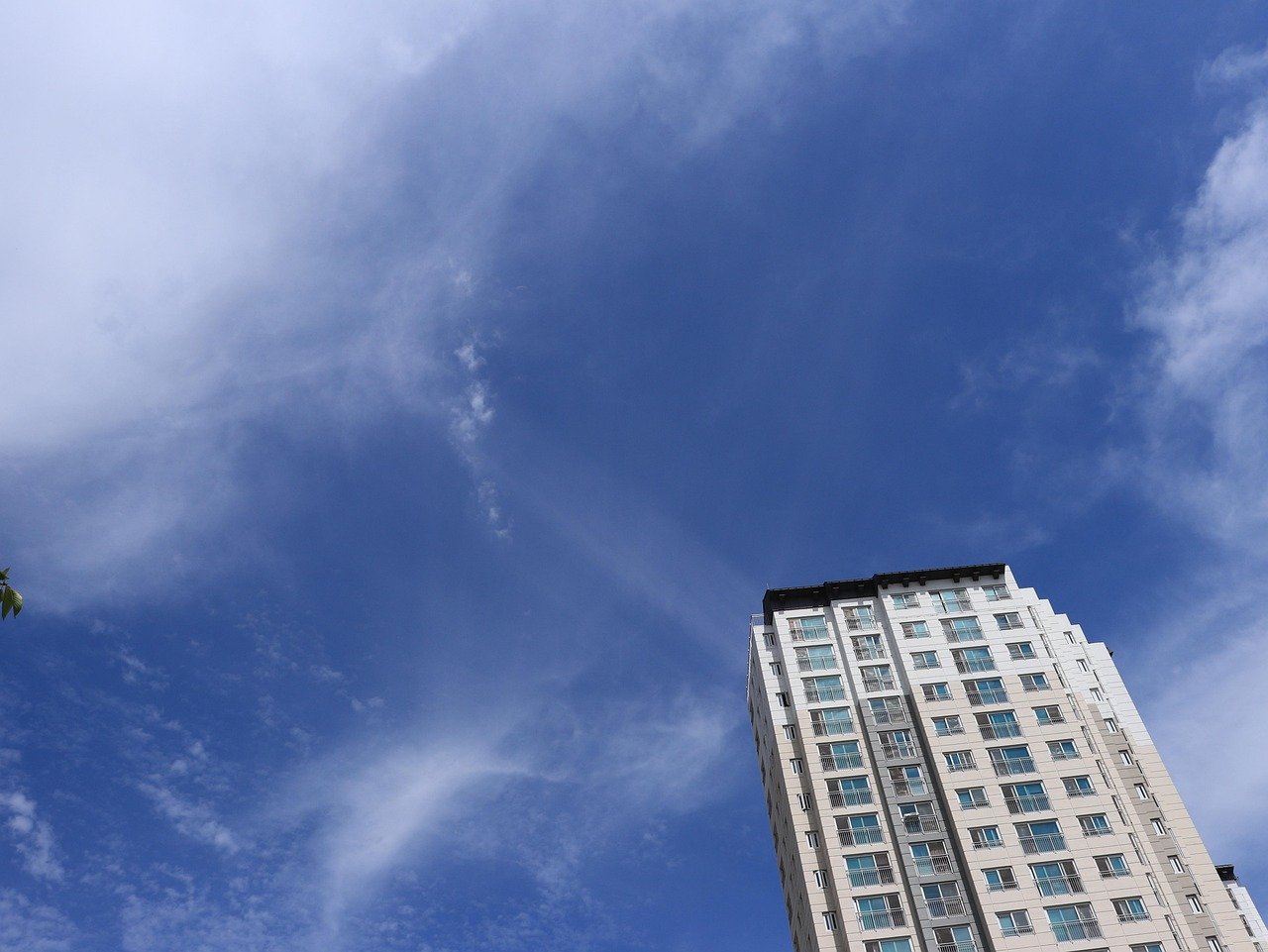
Rent is where the math gets genuinely strange for anyone not used to Korea’s system. A lot of housing here still runs on jeonse or wolse, where you either put down a massive lump-sum deposit in exchange for little or no monthly rent, or pay a smaller deposit with monthly rent attached. A basic one-room studio on the wolse system in a mid-tier area might run ₩500,000 to ₩700,000 a month plus a deposit of several million won upfront. That deposit alone can be more than a full month of minimum-wage pay before a single hour goes toward actual rent.
Who’s actually earning minimum wage here
It’s worth saying plainly: most full-time office workers in Korea aren’t on minimum wage, not even close, especially in Seoul. Where the number actually matters is part-time and hourly work — convenience store shifts, cafe counters, delivery-adjacent jobs, the kind of work students and part-timers pick up. If you’ve ever bought something from a bleary-eyed clerk at a convenience store at 2am, there’s a decent chance you were talking to someone earning close to this exact number, maybe with a small night-shift bump on top, since late-night hourly work sometimes carries a legally mandated premium.
That premium is worth stating precisely, because “sometimes” is doing a lot of work in that sentence. Under the Labor Standards Act, night work — defined as hours between 22:00 and 06:00 — is paid at an extra 50% of ordinary wages, so an hour on the graveyard shift is billed at one and a half times the rate. The same 50% applies to overtime and to work on contractual rest days, and if an overtime hour also falls at night, the two are calculated separately rather than swallowing each other.
Here’s the catch, and it’s the reason that 2am clerk may be earning flat rate: those premiums only apply at workplaces with five or more employees. The ministry is explicit about it — under five staff, night, overtime and holiday premiums simply don’t apply, and only the weekly holiday pay does. A huge share of Korean convenience stores, cafés and small restaurants run on fewer than five people. So the night-shift bump isn’t a given; it depends on a number the customer can’t see.
Which brings up the other thing that quietly goes missing. Weekly holiday pay is owed at every size of business, and it is routinely not paid to part-timers who don’t know to ask — working holiday visa holders and international students most of all, because they’re new, their Korean is limited, and the contract in front of them is in a language they’re still learning. If you’re working here, count your scheduled hours: fifteen or more in the week, days all worked, means the extra is yours, and a labour office complaint is the ordinary remedy rather than a dramatic one.
If you’re job-hunting rather than counting, the two sites everyone uses are Albamon and Alba Cheonguk, both app-first and both stuffed with hourly listings that state the rate up front. Postings that are coy about the hourly number usually have a reason.
Small business owners complain about the wage increases constantly, and I don’t think that’s exaggerated for effect. A tiny convenience store or cafe running on two or three part-time staff feels every won of an increase directly, in a way a large chain absorbs more easily. That tension shows up in local news almost every year around wage negotiation season, and the 2026 agreement was actually notable for being the first time in seventeen years that labor, management, and public representatives landed on a number together instead of the government stepping in to break a deadlock.
Why this matters if you’re just visiting
None of this changes what a coffee or a taxi costs you as a tourist, obviously. But it’s a useful yardstick if you’re trying to figure out whether a price feels normal or inflated. If a bowl of noodles is priced at what someone earns in twenty minutes of minimum-wage work, that’s a completely ordinary, everyday price here, not a tourist markup. If it’s priced at two hours of that same work, you’re probably paying for the neighborhood or the view, not the food. I find myself doing that mental conversion constantly without meaning to, and it’s honestly a more useful way to judge whether something’s expensive than just converting won to dollars and reacting to the raw number.
Some worked examples, so you can actually use the yardstick. A ₩12,000 lunch is about seventy minutes of work — the upper end of ordinary, but ordinary. A ₩35,000 seafood plate at a market stall is three and a half hours, which tells you it’s a treat rather than a meal, and that the price is about the setting. A ₩20,000 entry fee to an observation deck is two hours of someone’s working day, which is why locals mostly look at the view from the free terrace. Souvenir mugs at ₩25,000 are two and a half hours. Street food at ₩3,000 to ₩5,000 is twenty to thirty minutes, which is why it’s what people actually eat. When a price crosses about three hours of that wage, you’ve left everyday Korea and entered the tourist or luxury lane — sometimes worth it, but know which lane you’re in.
It also explains the thing visitors find hardest to believe: nobody wants your tip. The wage is the wage, it’s legislated annually, and service staff aren’t paid a reduced rate on the assumption that customers will make up the difference — which is the entire structural reason tipping never took root here. I went through what actually happens when you try in the tipping post, and the short version is mild confusion followed by someone chasing you down the street with your change.
Read next
- Do You Tip in Korea? What Actually Happens When You Try — Why nobody expects a tip on top of it.
- Is Coffee Actually Cheap in Korea? A Local Price Breakdown — What that wage buys in a cafe.
- Korean Convenience Store Food: What to Actually Buy (Price List Included) — And what it buys at a convenience store.