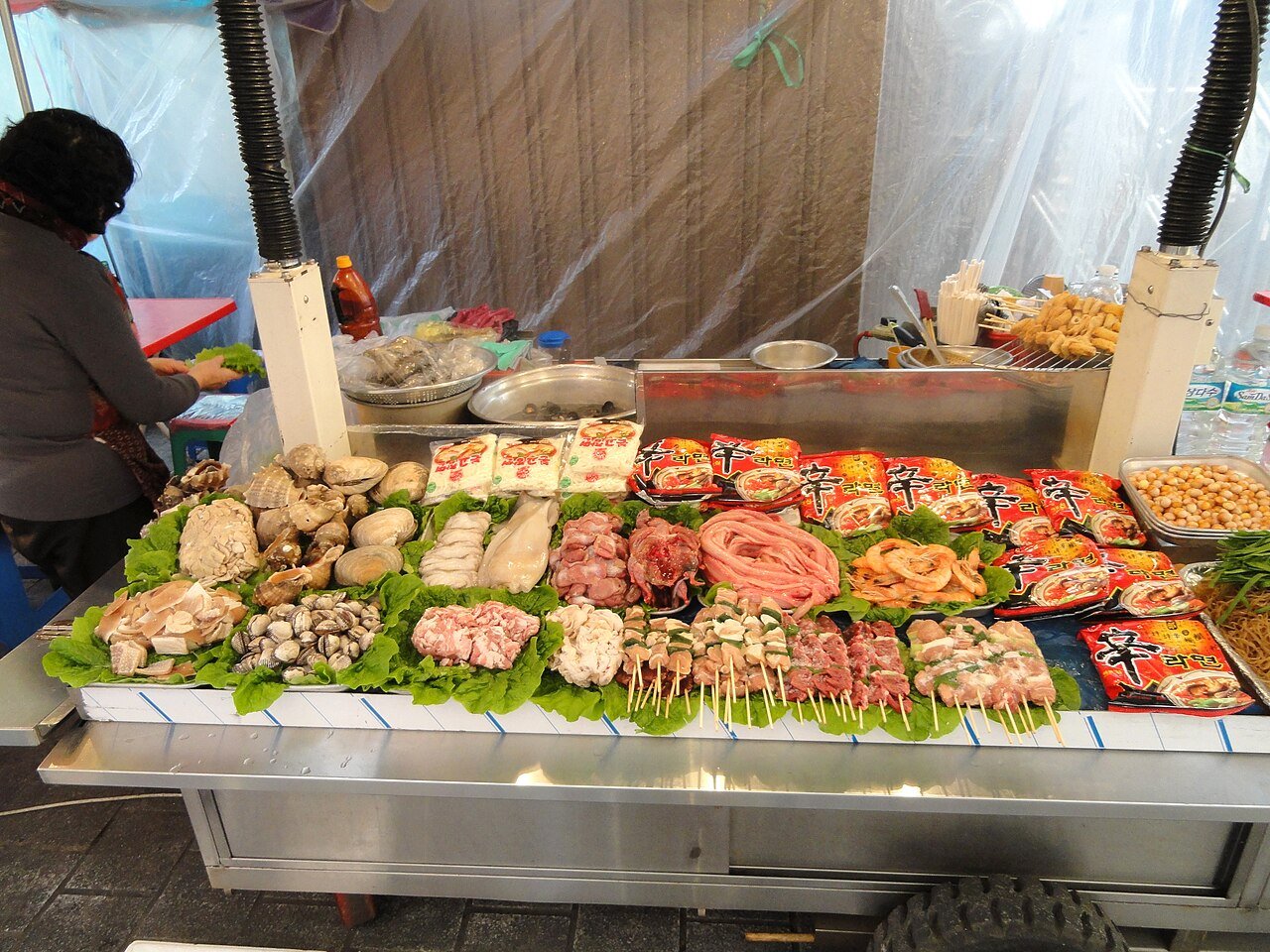
A few months in, I stopped relying on a translation app for most of my day. Not because my Korean got that much better, it didn’t, but because I realized most interactions in Korea follow a script. Restaurants, clothing stores, taxis, convenience stores, they all have their own short exchange, and once you know the lines, you stop freezing up when someone talks to you.
Nobody teaches you the whole exchange though. You get a random phrase list from a travel site and none of it connects to the actual back-and-forth. So below is what really happens in five situations you’ll hit constantly, plus a tool at the bottom you can just tap and show to whoever you’re talking to.
Why this actually saves you money
Tourist-facing places price for tourists. That’s not a conspiracy, it’s just rent, a place with English signage and staff who speak it is usually paying for a location that gets foot traffic from people who won’t shop around. Walk two streets back and the prices drop, but so does the English. Knowing these exchanges closes that gap, and it changes how you get treated too. I’ve watched an ajumma visibly relax the second a foreigner points at something and says 이거 주세요 instead of holding up a phone screen for two minutes.
It also buys speed, which matters more than it sounds. Holding up a phone at a market stall turns you into a task. Saying four words in Korean turns you into a customer. The queue behind you notices the difference and so does the person serving, and the whole exchange takes a quarter of the time. Your pronunciation does not have to be good either. These are short phrases used in situations where only one thing could possibly be meant, so context carries most of the weight and nobody is grading your vowels. The first time one lands and the other person simply answers you, without a pause or a switch to English, is the moment the rest of the trip gets easier.
At a restaurant
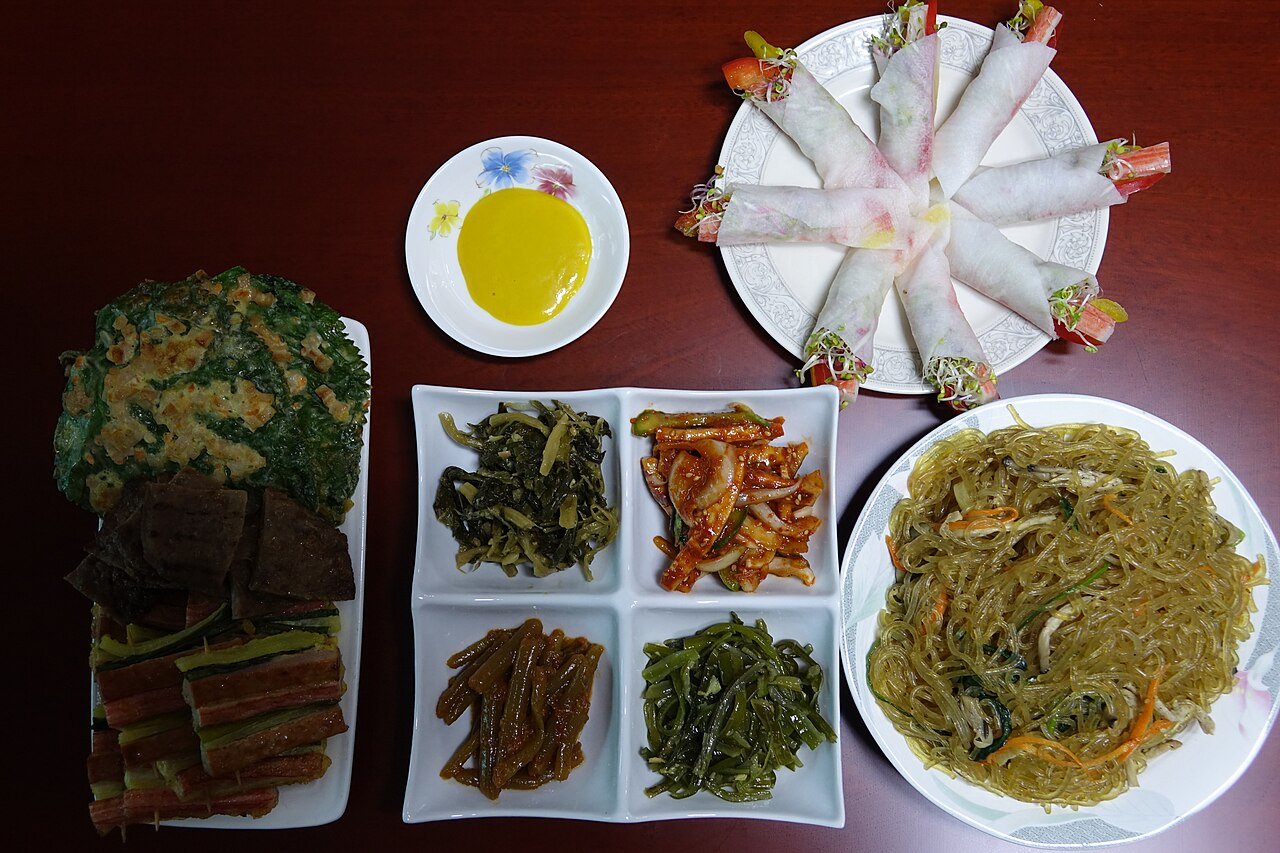
This is the real sequence, shorter than it looks once you’ve done it twice.
You walk in. Someone yells 어서오세요! (eoseo-oseyo), “welcome.” You don’t need to say anything back, a nod is fine.
They ask how many people. 몇 분이세요? (myeot bunieseyo). Hold up fingers, or say 두 명이요 (du myeongiyo) for two.
You sit, they ask what you want. 뭘 드릴까요? (mwol deurilkkayo). Point at the menu and say 이거 주세요, or name the dish, like 국밥 주세요.
You need something mid-meal. Say 여기요! to get someone’s attention first, then ask.
You want the bill. Most guides skip this one. Say 계산해주세요 (gyesan haejuseyo), “check please.” A lot of local places have you pay at a counter near the door rather than at the table, so don’t be surprised if they point you toward the register.
If the number on the bill looks alarming, it’s probably not, won amounts just run big. I put together a quick converter with live rates so you’re not doing math in your head mid-meal.
On your way out. 잘 먹었습니다 (jal meogeotseumnida), “that was great.” Not required, but it lands well.
Two more that earn their place at the table. 반찬 더 주세요 (banchan deo juseyo), “more side dishes please” — the little plates are refilled at no charge and asking is completely normal rather than cheeky, which is the single fact about eating here that visitors are slowest to believe. Water is self-serve: a steel jug and stacked cups sit on a rack by the wall or at the end of the table, and nobody is going to bring it over. Once you know that, you stop waiting for service that was never coming and start eating like everyone else in the room.
Shopping, from street stalls to department stores
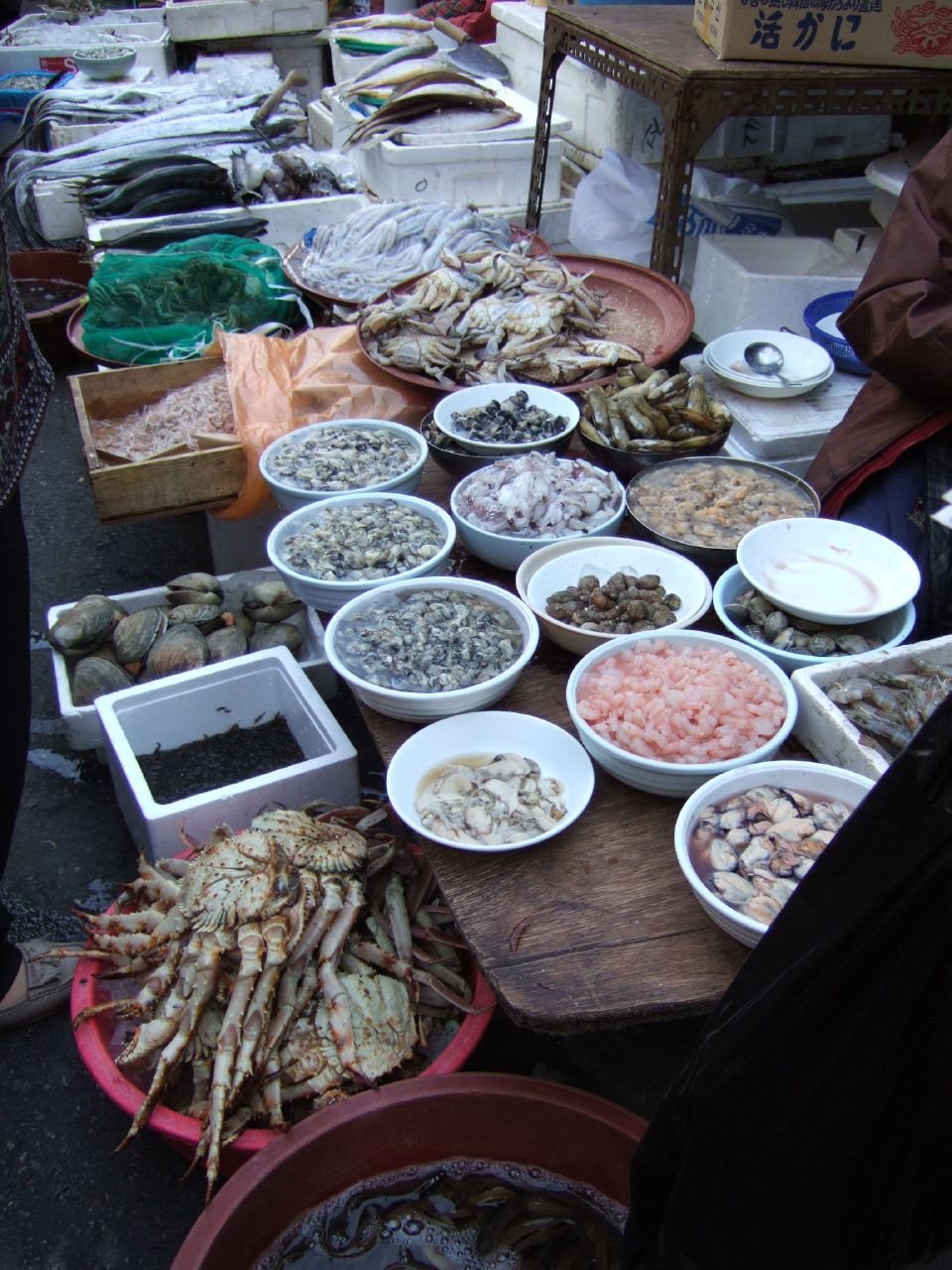
Market vendors and clothing store staff want different things from you. At a stall, they want a quick decision, at a store, they usually leave you alone until you wave them over.
Checking a price. 이거 얼마예요? (igeo eolmayeyo). Works everywhere, market stall or mall.
Trying something on. 입어봐도 돼요? (ibeobwado dwaeyo), “can I try this on?” Staff will usually just point you to the fitting room.
Wrong size. 다른 사이즈 있어요? (dareun saijeu isseoyo), “do you have another size?”
Korean sizes are labeled with different numbers entirely, so knowing your size before you ask is a lot easier than guessing. I put together a quick conversion chart for clothes and shoes.
Decided, ready to buy. 이걸로 주세요 (igeollo juseyo), “I’ll take this one.”
At the register. They might ask card or cash. Ask for 영수증 주세요 (yeongsujeung juseyo) if you need a receipt for a tax refund later.
Cafes and convenience stores
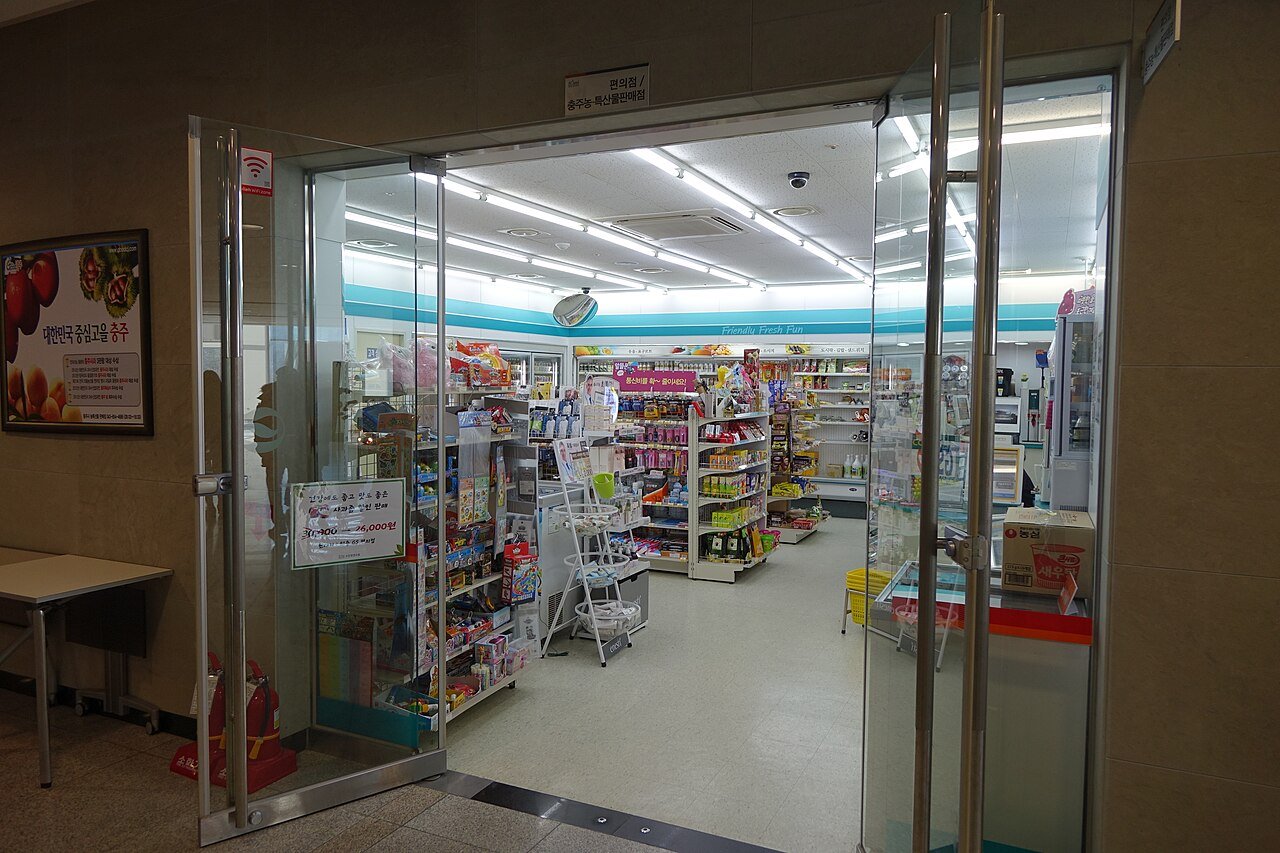
Cafe ordering is fast and a little scripted. Convenience stores, even faster.
Ordering coffee. Name the drink and say 주세요 after it. 아이스 아메리카노 한 잔이요 (aiseu amerikano han janiyo), “one iced americano.” Iced coffee is the default here even in winter, so specify 따뜻한 걸로요 (ttatteuthan geolloyo) if you want it hot.
Eat in or take out. They’ll ask. Answer 여기서 먹을게요 (eating here) or 포장이요 (to go).
At a convenience store, heating something up. 데워주세요 (dewojuseyo), “please heat this up,” for the triangle kimbap or instant noodles you’re about to regret not trying sooner.
Need a bag. 봉투 필요해요 (bongtu piryohaeyo). Bags usually cost extra now, a small coin or two, so they’ll often ask before assuming.
One exchange at the register catches everyone out, because it is a question you were not braced for in any language: 적립하세요? (jeongnip-haseyo), roughly “collecting points?” They are asking about a loyalty card you do not have. 아니요 (aniyo) or 괜찮아요 (gwaenchanayo) ends it on the spot. It comes up at cafes, convenience stores and pharmacies, and the first few times it sounds like something important is being asked of you while a queue builds behind your shoulder. It is not. It is the Korean equivalent of being asked whether you have a club card.
Taxis
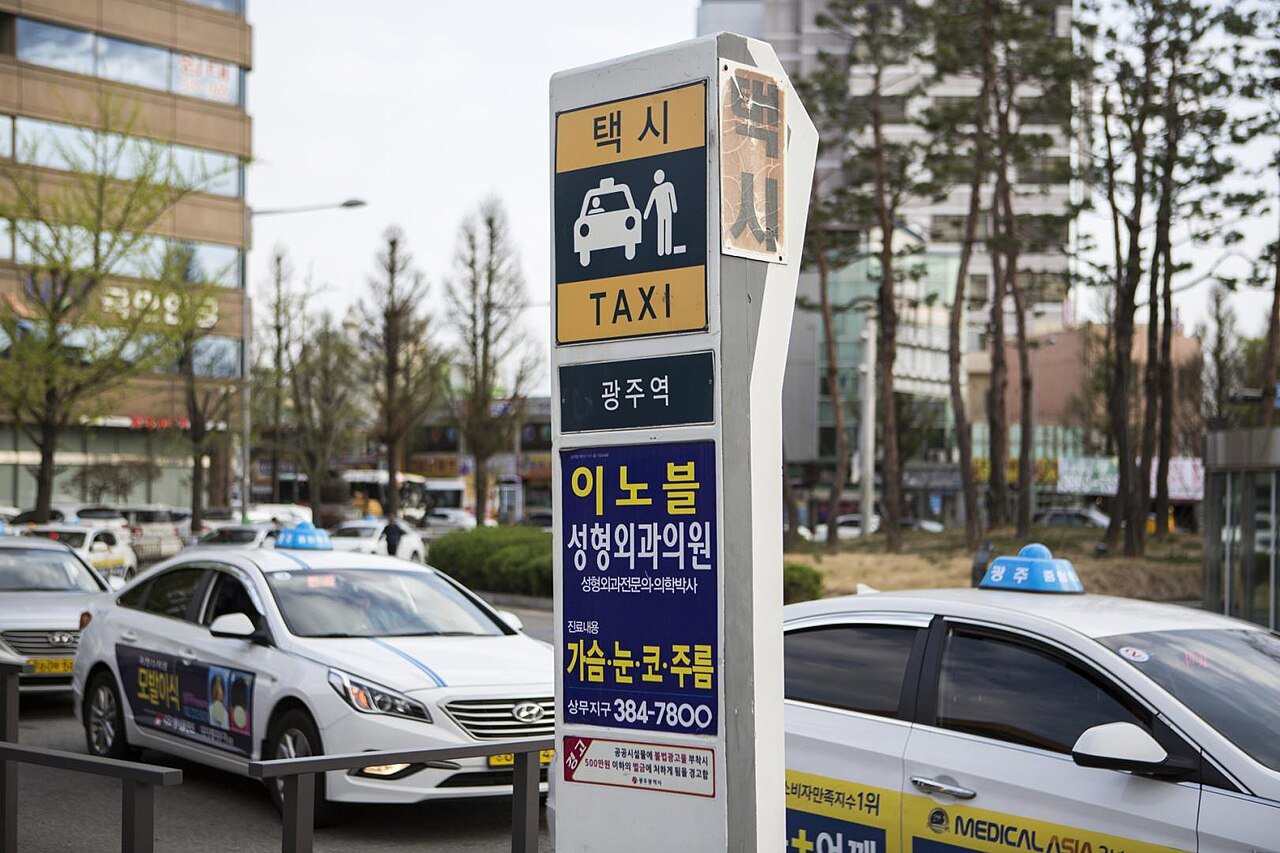
Korean taxi drivers are mostly older, mostly don’t speak English, and are almost always honest about the meter. The awkward part is just the first ten seconds getting in.
Getting in. Show your destination on your phone, either a map pin or the name typed in Korean, and say 여기로 가주세요 (yeogiro gajuseyo), “please take me here.”
Somewhere specific along the way. 여기서 세워주세요 (yeogiseo sewojuseyo), “please stop here.”
Paying. 카드 되나요? (kadeu doenayo). Almost every taxi takes card now, but it’s a fair question in an older cab.
Two more for the cab. 트렁크 열어주세요 (teureongkeu yeoreojuseyo), “please open the trunk,” which saves the mime routine with a suitcase in the rain. And 잠깐만요 (jamkkanmanyo), “one moment” — useful when you are still finding the address on your phone and the driver has already pulled away from the curb in his head. Neither is a phrase anyone thinks to teach you, and both come up on the first day with luggage.
When you actually need help
Hopefully you never need most of this section, but the bathroom one comes up daily.
Finding a bathroom. 화장실 어디예요? (hwajangsil eodiyeyo), “where’s the bathroom?” Most Korean cafes and restaurants have one, even small ones, though some require a door code printed on your receipt.
Genuinely stuck. 도와주세요 (dowajuseyo), “please help me.” Say this and people generally stop what they’re doing.
Explaining the language gap. 한국어 못해요 (hangugeo mothaeyo), “I don’t speak Korean,” or 영어 하시는 분 있어요? (yeongeo hasineun bun isseoyo), “does anyone here speak English?” Younger staff usually understand more English than they let on, this question tends to unlock it.
Hi Korea Hi tools
Show, don’t say
Pick a situation, tap a phrase, and your phone shows it in big letters. Turn the screen around and let them read it.
One thing worth knowing before you go
Local spots run on routine, not scripts written for first-timers. Expect low tables, side dishes you didn’t order, an ahjussi who ignores you for thirty seconds before shouting something back. That’s not rudeness, it’s just how a small business runs during a rush. Order, sit down, and let it happen.
If a place looks too quiet or too polished, it’s probably priced for people who don’t know better. The good ones are loud, slightly chaotic, and never have a photo menu.
One more small thing that catches people off guard here: if anyone asks your age, don’t be surprised if the number they’re expecting doesn’t match what you’d say back home. Korea counts age a few different ways, I broke it down with a quick calculator if you want to figure out your Korean age before someone asks.
A last note on the shape of all of this. Every phrase above ends in -요, which is the ordinary polite level you can use with anyone, at any age, in any shop in the country. You cannot get into trouble with it. What sounds rude here is dropping that ending, not mangling the vowels in front of it. So if you keep one rule out of this whole page, keep that one: leave the 요 on, and everything else is forgivable.
Read next
- Kakao T: How Korea’s Taxi App Actually Works for Foreigners — Where half of these phrases actually get used.
- Korean BBQ Etiquette: What Actually Matters at the Table (and What Doesn’t) — What to say once the meat is on the grill.
- Korean Convenience Store Food: What to Actually Buy (Price List Included) — Almost no Korean needed, which is the point.