A visitor asked me once, half-joking, why nobody seemed to be locking their bike outside a cafe at 11pm. I didn’t really have a good answer beyond “because nobody’s going to take it.” That’s a strange thing to say out loud in most places. Here, it just sounds obvious.
People throw around the line that Korea is one of the safest countries in the world, and it gets repeated so often it starts to sound like tourism-board copy. But there’s a difference between a safety ranking on a spreadsheet and what it actually feels like to be a woman walking home alone at 1am, or a solo traveler wandering back from a bar with no idea which direction the hotel is. That second part is what people actually want to know, and it’s worth unpacking properly instead of just nodding along to the statistic.
The Convenience Store Test
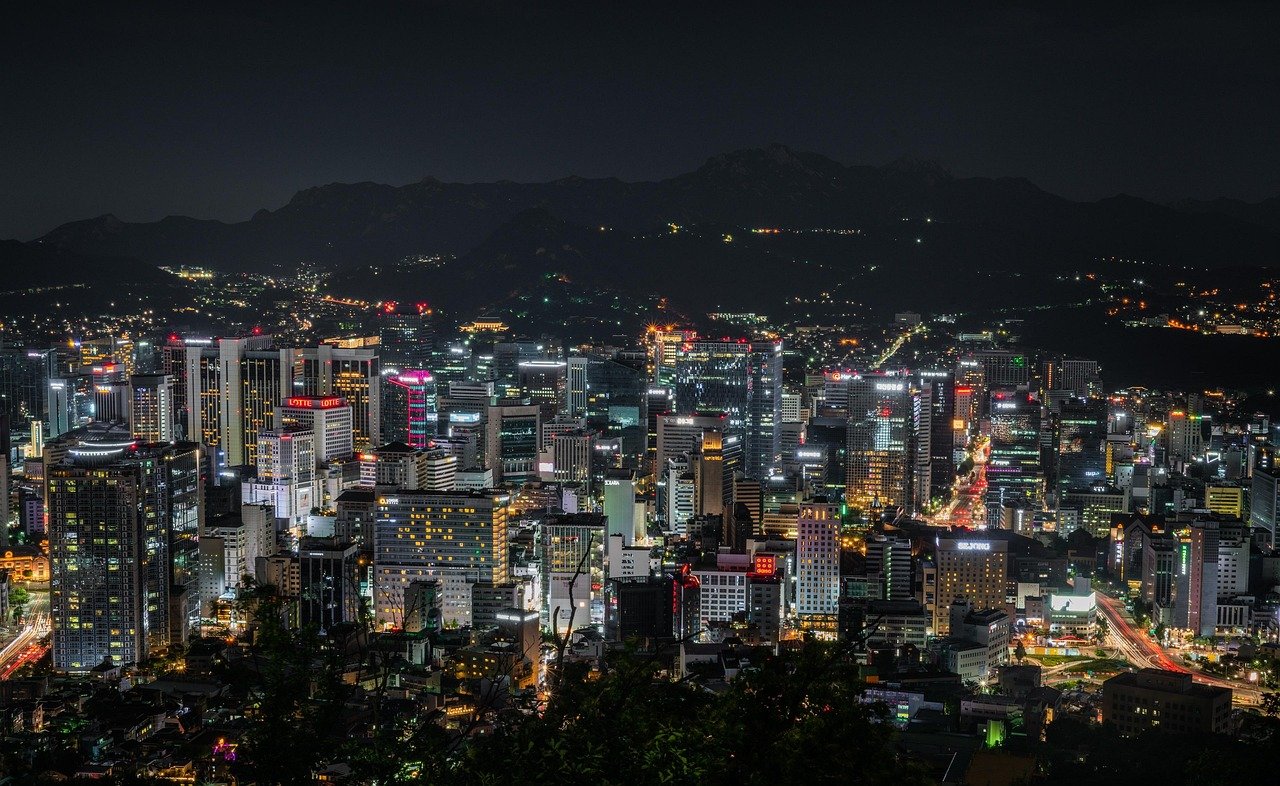
Here’s a small thing that says more than any crime statistic. Walk down basically any street in a Korean city at 3am and you will pass a lit-up convenience store within a few minutes, doors open, someone behind the counter, usually a college student half-asleep over a phone. That’s not a coincidence of one lucky neighborhood. It’s just how dense and how lit these cities stay, all night, everywhere.
I use it as an unofficial gauge whenever I’m somewhere new. If there’s a GS25 or CU glowing on the corner, there are people around, there’s a bathroom you can duck into, and there’s someone who’ll notice if something’s actually wrong. It sounds like a low bar. It isn’t, once you’ve traveled somewhere that goes properly dark and dead after 9pm.
The store is also more useful than it looks if something does go wrong. The person behind the counter will call 112 for you without making it a whole thing, there’s a counter by the window where you can sit and wait for a taxi instead of standing on a dark corner, and if your phone has died you can ask at the register for a charging cable. I’ve watched a clerk walk outside with a woman who felt like someone had followed her in, stand there with her until her taxi pulled up, and then go back to restocking sandwiches like nothing had happened.
CCTV, and Why Nobody Here Thinks About It
Korea has an enormous number of public cameras, on street corners, in elevators, above ATMs, inside taxis. Locals mostly don’t register them anymore, the way you stop noticing traffic lights. But it changes the math for anyone thinking about causing trouble, and it changes the math for police actually solving something afterward, which is the part that matters more than the cameras just existing.
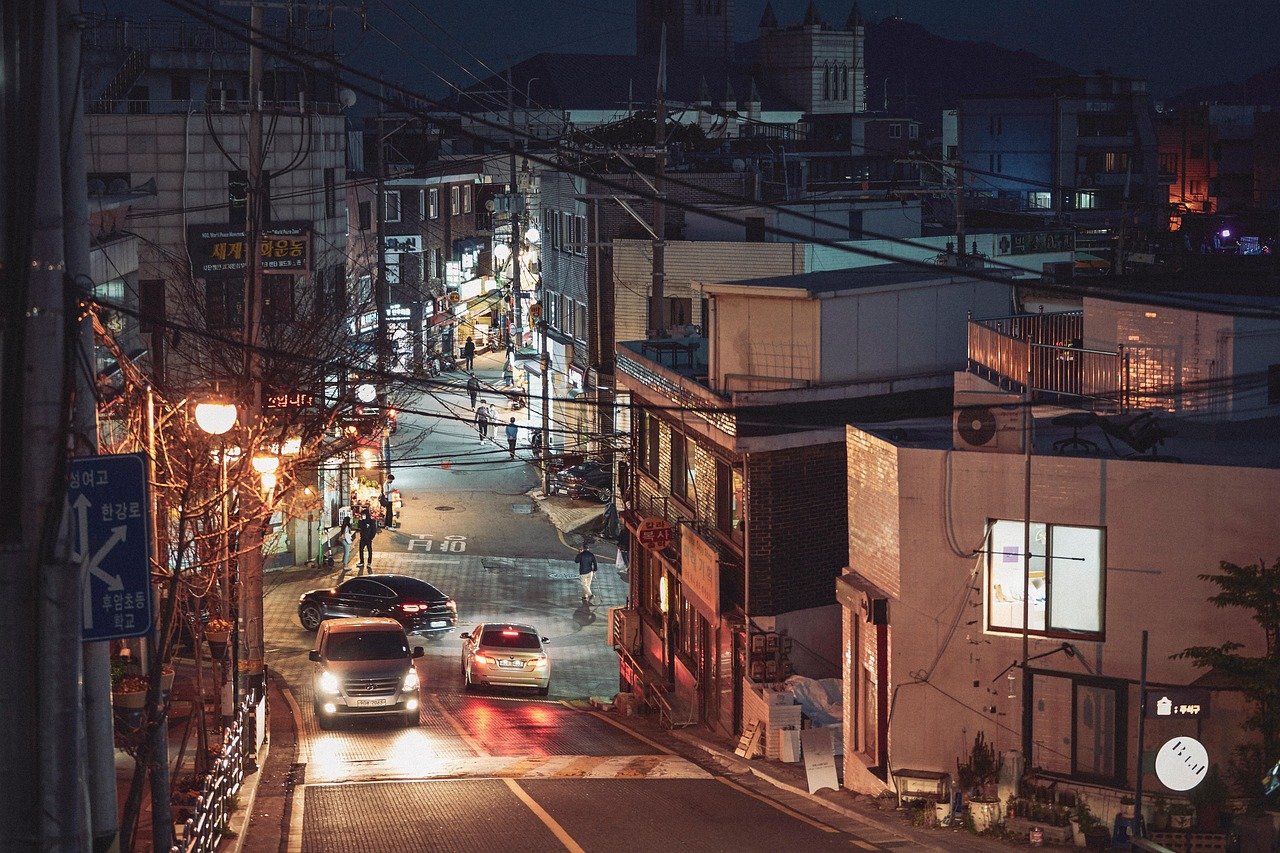
I’ve seen a lost wallet get returned within a day because footage from a subway platform camera showed exactly who picked it up. That’s not a rare, feel-good exception. Ask around and you’ll hear some version of that story from almost everyone, which tells you it’s closer to the norm.
The cameras people forget about are the ones inside taxis. Almost every cab here runs a dashcam pointed at the road and, in a lot of them, a second one pointed at the back seat. Drivers mention it the way you’d mention the weather. If you leave a bag behind, that footage plus the card payment record usually means the thing comes back — you call the taxi company or the app’s lost-item line, and it turns up at a station a day later. It’s a dull kind of safety, but it’s the kind you actually end up using.
Emergency Bells, Safe-Return Apps, and Actual Infrastructure
Beyond cameras, there’s a layer of stuff most tourists never notice because they never need it. Yellow emergency bells (안전비상벨) are bolted to lampposts along quieter alleys and park paths, especially near university areas and residential streets built into hillsides. Press one and it connects straight to local police with your location already pinned.
Seoul and a few other cities also run a “safe return home” service, where you can request that police keep half an eye on your route via GPS if you’re walking somewhere late and alone, and someone checks in if you don’t arrive. Most residents never use it. It’s just there, quietly, as one more layer under everything else.
If you’ve never seen one, it’s a yellow or red post about chest height with a single button under a plastic cover, usually with a small camera and a speaker mounted on it. Press it and someone talks back to you through the speaker while the camera is already running, which matters more than the button itself — it means there’s a person on the other end within seconds, not a recording. Worth knowing the two numbers as well, since they aren’t what most visitors expect: 112 is police, 119 is fire and ambulance. Both have foreign-language support, though you may wait a beat while they bring an interpreter onto the line.
What About Hongdae or Itaewon on a Saturday Night
This is usually the actual question underneath “is Korea safe at night,” because clean statistics from a government report don’t mean much when you’re picturing a crowded, drunk street at 2am. And yes, those neighborhoods get loud and packed and messy. People stumble around, some of them badly drunk, sitting on curbs, occasionally sleeping it off on a bench.
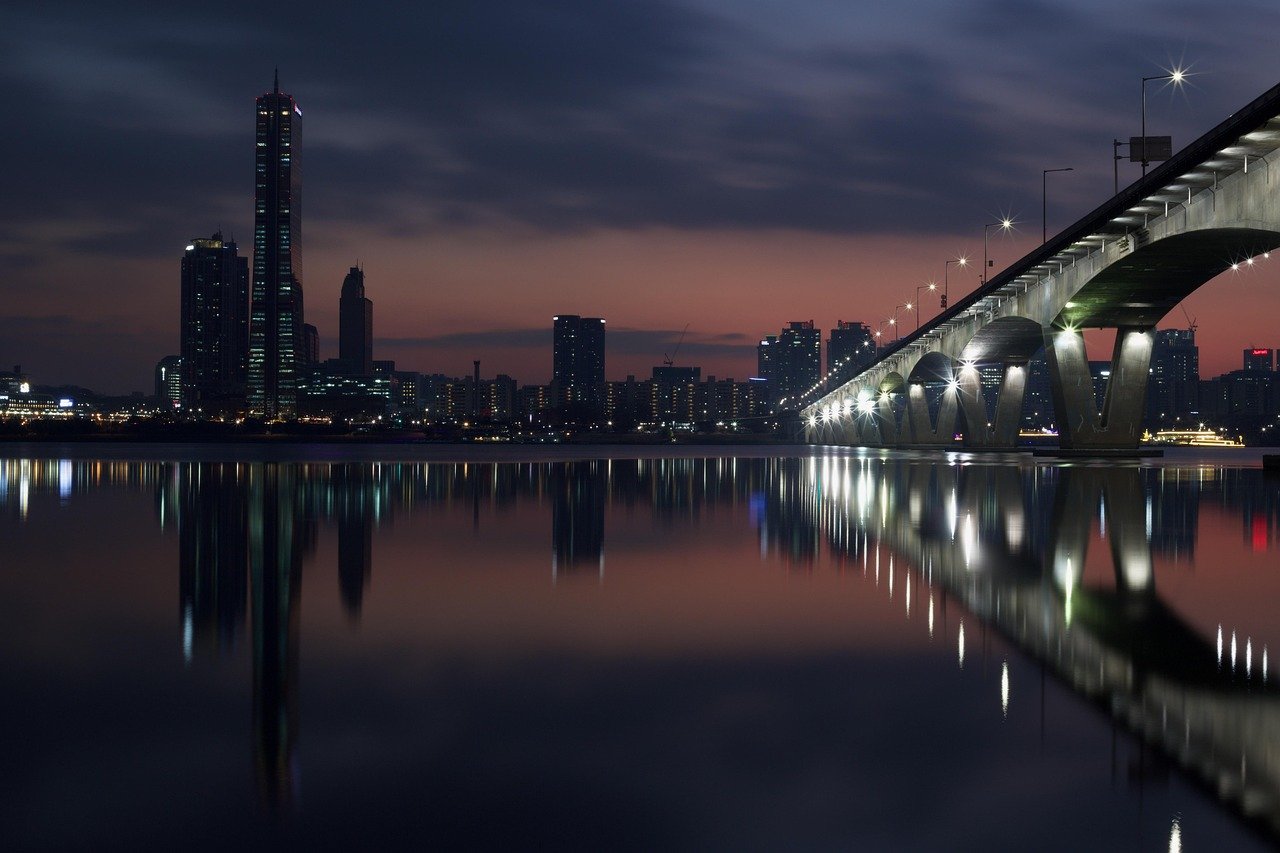
What doesn’t really happen is anyone bothering them for it. A drunk person sprawled outside a convenience store at 3am is a common enough sight that nobody stops to gawk or take advantage. It’s treated as someone having a rough night, not an opportunity. I’m not saying nothing bad has ever happened in either neighborhood, that would be dishonest, but the baseline level of casual harassment or opportunistic theft is noticeably lower than what a lot of visitors are bracing for based on nightlife districts back home.
The thing that actually catches people out in those neighborhoods isn’t danger, it’s the last train. The subway shuts down somewhere around midnight depending on the line, and the street outside gets noticeably more chaotic in the half hour on either side of that, because a few thousand people all decide at once that they need a ride. That’s the window where the unlicensed cars come out and where a twenty-minute trip suddenly costs whatever the driver says it costs. If you’re out past that, it’s worth deciding early whether you’re leaving before the last train or staying until the subway starts again around 5:30am. The middle option is the expensive one.
The One Thing I’d Actually Tell People to Watch For
None of this means switch your brain off. The risk here isn’t street crime, it’s the quieter stuff: drink spiking at a small handful of bars that have gotten a bad reputation among locals, unlicensed taxis loitering near nightlife exits overcharging drunk tourists, or the “one more bar” scam where someone friendly steers you toward an overpriced spot with a hidden cover charge. Use the official taxi app instead of flagging random cars near clubs, and keep an eye on your own drink the same way you would anywhere else. That’s ordinary night-out caution, not Korea-specific paranoia.
A related habit worth picking up: pay by card. Not because cash is risky, but because a card record is the thing that settles an argument later, and the places most likely to pad a bill are the places most likely to insist on cash only. A normal bar here will have its prices posted and will take a card without blinking. If someone is steering you toward a place that does neither, that’s your signal, and it’s a far more reliable one than trying to judge a street by how it looks.
Solo women walking late are, realistically, safer here on the physical-safety front than in most Western capitals I’ve compared notes with visitors about, but catcalling and being stared at on the subway still happens, so “safe” doesn’t mean “nobody will ever be annoying.” Those are two different things and it’s worth not conflating them.
My Honest Take
I don’t think about safety here the way I used to think about it in bigger, more spread-out cities elsewhere. I’ve walked home well past midnight more times than I can count without a second thought about it, which isn’t something I’d have said living somewhere else. That’s not a marketing line, it’s just what daily life feels like once you’ve been here a while. Keep normal travel sense about you, use the taxi apps, watch your drink, and you’ll probably find the place lives up to the reputation more than it disappoints it.
If you want one sentence to carry around: the thing to manage here is your wallet and your ride home, not your physical safety. That’s a genuinely unusual thing to be able to say about a major city at 2am, and it’s the part I’d have found hardest to believe before living it.
Read next
- Four Seoul Neighborhoods, and the Right Hour for Each — All four Seoul neighborhoods, and the hour each one is worth walking.
- Kakao T: How Korea’s Taxi App Actually Works for Foreigners — Getting home when you’d rather not walk.
- Your First Jjimjilbang: What Actually Happens, Step by Step — Where people legally sleep for the price of a meal.