Bukchon, Myeongdong, Hongdae, Seongsu. Four names that turn up on every Seoul itinerary, usually as four interchangeable stops to be ticked off between palaces.
They aren’t interchangeable. Each one was the new thing in a different decade, and each has kept the shape of the decade that made it. Bukchon is what survived. Myeongdong is the shopping boom that tourism took over. Hongdae is the student district that never learned to close. Seongsu is a factory neighborhood caught mid-transformation, with the factories still open.
Which means the useful question isn’t which one to see. It’s when. Every one of these four is genuinely good at some hour and genuinely miserable at another, and the gap between the two is wider here than almost anywhere else in the city. Show up at the wrong time and you’ll conclude the neighborhood is overrated. It probably isn’t. You just came at 2pm on a Saturday.
The timing, up front
| Neighborhood | Go | Avoid | What it’s for |
|---|---|---|---|
| Bukchon | Before 9am, or an overcast day | Weekend afternoons | Quiet walking, roof tiles, hills |
| Myeongdong | Weekday before 11am | 2pm Saturday | Cosmetics, street food, a cathedral nobody visits |
| Hongdae | Thursday evening | Saturday night, if crowds bother you | Buskers, cheap food, clubs until the trains restart |
| Seongsu | Weekday morning | Weekend afternoon | Cafes in old warehouses, handmade shoes |
If you only take one thing from this page, take that table.
Bukchon — the one people actually live in
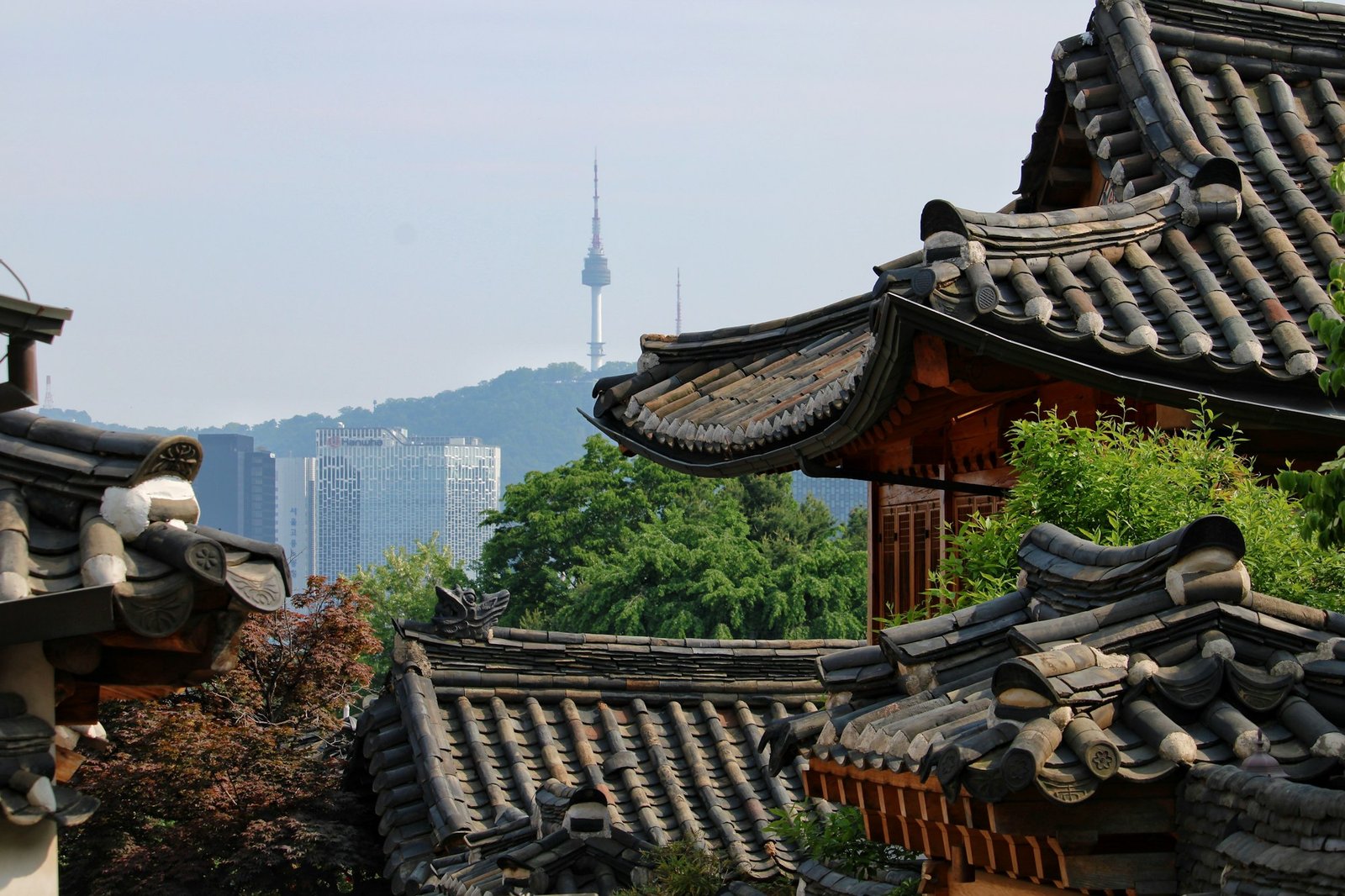
Bukchon means “north village,” and it sits on the hillside between Gyeongbokgung and Changdeokgung. It isn’t a museum or a recreated set — people live in these hanok, traditional houses with curved tile roofs and wooden frames, some of them centuries old. That’s the whole appeal, and also the whole tension.
Search for it online and you’ll get the same photograph every time: a narrow lane looking down toward Namsan Tower, hanok roofs layered on either side. Officially Bukchon-ro 11-gil; nobody calls it that. It’s genuinely photogenic and genuinely packed, with a steady queue of people waiting to take the identical picture. Worth seeing once. Not worth building a visit around.
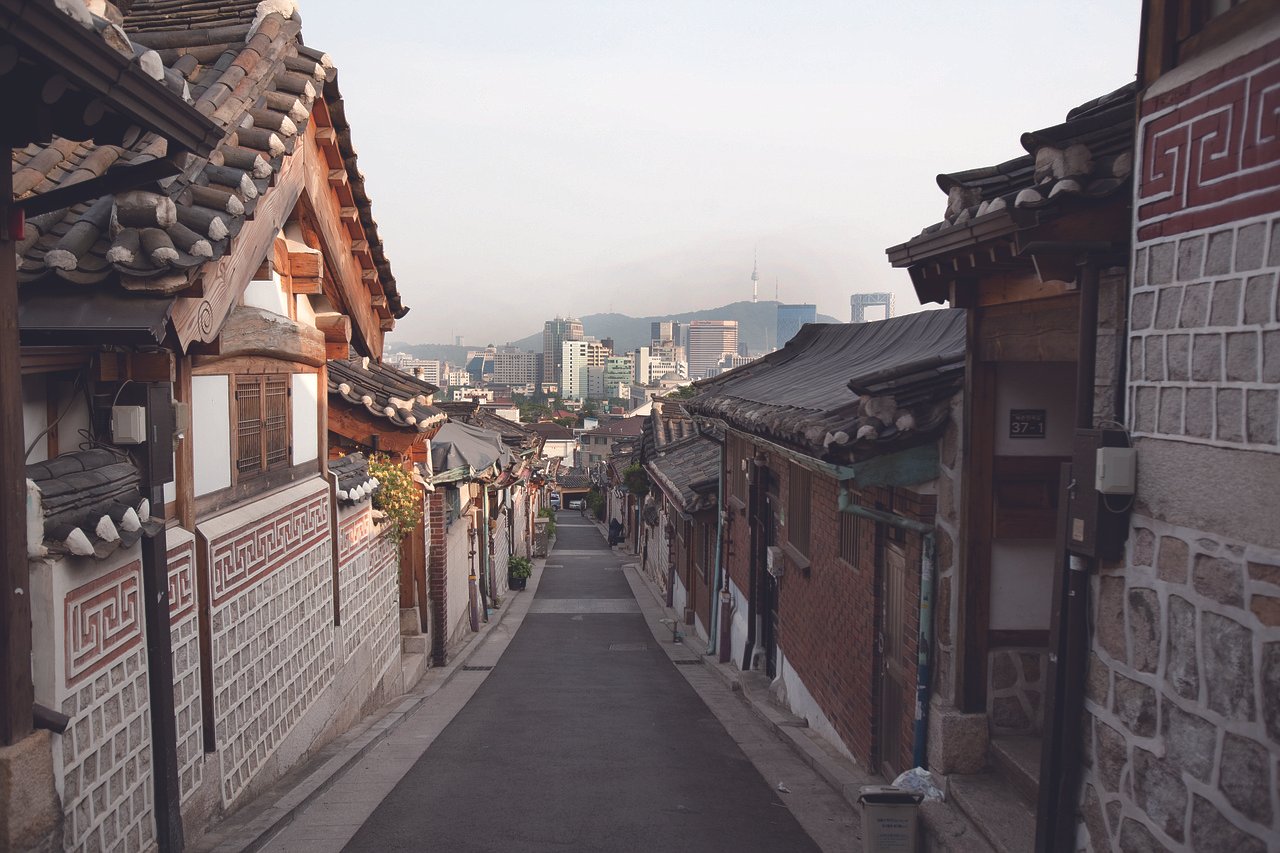
Past that alley, Bukchon is a real neighborhood of quiet sloped streets, and most visitors never wander more than two minutes off the main path. Head toward Gahoe-dong and the lanes branching off it — fewer tour groups, more sense of what the place is like day to day. Small galleries and craft workshops sit inside converted hanok if you want a reason to stop walking.
One thing to know before you go. Because people live here, some residents have had enough of tourists peering into windows and standing on doorsteps for photographs. You’ll see signs asking for quiet, and parts of the village have marked quiet hours, generally from early afternoon into evening, where loud groups get moved along. It’s not a problem if you’re walking through respectfully — but treat it as somebody’s front door, not a set.
No admission, no fixed hours. Comfortable shoes matter more than you’d think: the hills are steeper than the photos suggest and the paving is uneven cobblestone in places. Anguk Station, Line 3, Exit 2. Give it forty-five minutes to an hour and let yourself get slightly lost.
Myeongdong — the one everybody writes off
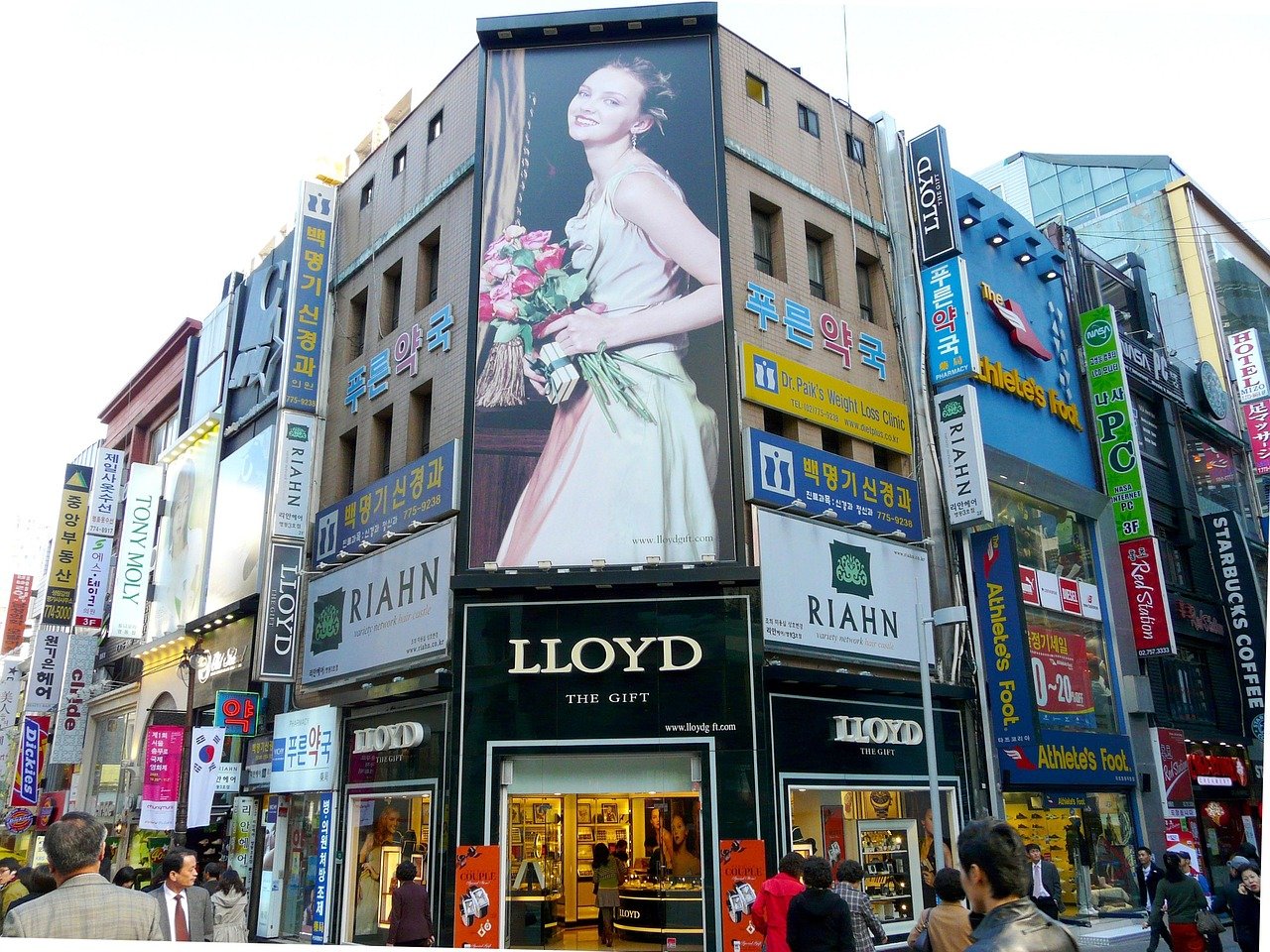
A lot of locals roll their eyes at Myeongdong. It’s the district people point to as proof that a neighborhood can get flattened by tourism until nothing local is left. They’re not exactly wrong. I still end up there a few times a year, and the people writing it off entirely are missing things.
The main strip runs between Myeongdong Station and Euljiro, and on a Saturday afternoon it’s hard to walk in a straight line. Skincare staff hand out sheet masks like flyers outside every third storefront. That part is exactly as touristy as its reputation — and prices on the main strip run 10–20% above the same products at an Olive Young a few stops away, on the reasonable assumption that foreigners won’t check.
Clothing shops here label sizes in Korean numbers rather than letters and run small by Western standards, which catches people out in the fitting room — the size converter handles the arithmetic.
The street food is fine rather than great. Gwangjang Market beats it easily. But it’s consistent and fast, and on a cold night the smell of grilled cheese corn dogs pulls you in whether you planned to eat or not. A stick of something usually runs ₩4,000–6,000.
What surprised me once I paid attention instead of cutting through: Myeongdong Cathedral sits five minutes off the main strip, up a slope, and the noise mostly drops away. Red brick, quietly serious, one of the oldest Gothic-style buildings in the country, and almost nobody walks up there. Ten minutes resets the whole visit. Same with the alleys one block back — ordinary restaurants serving office workers at office-worker prices, with none of the mask-flyer energy.
Timing matters more here than almost anywhere in Seoul. Weekday mornings before 11am the street is basically empty, shutters still down. By 2pm on a weekend it’s a different planet.
Treat it as the flat, walkable middle of a bigger day rather than a destination — it sits right under Namsan and the cable car station. Treated that way it earns its place. Treated as the whole trip, you’ll leave thinking Seoul is crowds and sheet masks, which it very much isn’t. If you do buy something substantial, some of the tax comes back at the airport.
Hongdae — the one that doesn’t close
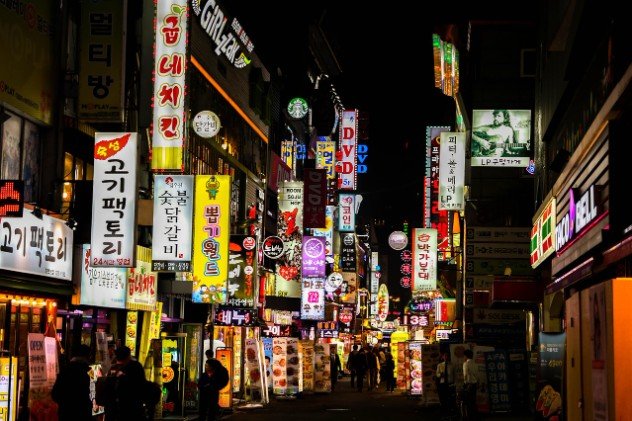
Ask five Seoul locals what “Hongdae” means and you’ll get five answers. The university, the club street behind it, the maze of clothing shops, or just shorthand for where young people are on a weekend. Technically all of it, radiating out from Hongik University Station on Line 2.
Exit 9 is the one people mean by “meet at Hongdae station.” Come up those stairs around seven or eight in the evening and you hit a wall of noise before you clear the exit — buskers set up within fifty metres of each other, and on a good night three performances overlap. There’s a stretch locals call the playground, a small park that functions as an open-air stage. I’ve watched a solo guitarist pull a bigger crowd than some paid concerts.
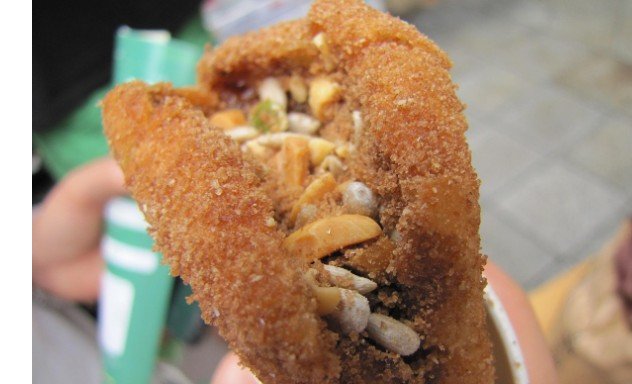
The street food here is better than Myeongdong’s, and the rule for picking a stall is simple: if the line is entirely Korean teenagers and no foreigners, join it. Carts with English menus and long queues tend to be priced for tour groups. Look for the seed-filled hotteok rather than the cinnamon-sugar version tourists usually get sold.
Nightlife is where it earns the reputation. The club street south of the station gets going past eleven and stays loud until the first trains run again around 5:30am. Cover charges vary wildly — free entry before a certain hour at some places, ₩20,000 with a drink ticket at others. Even just walking through at midnight, the energy is undeniable. It’s one of the few parts of Seoul that genuinely doesn’t sleep.
Weekday afternoons are almost a different neighborhood: quiet, easy to browse. Weekend evenings you move at the pace of the crowd, not your own. Thursday evening is the sweet spot — alive without being impassable. Wear shoes you don’t mind standing in, because sitting down anywhere central on a Saturday night is close to impossible without a reservation.
Boutiques here run smaller than the department store chains and tag sizes in numbers rather than S/M/L, so work out your Korean size before you’re in a fitting room queue.
Seongsu — the one still changing
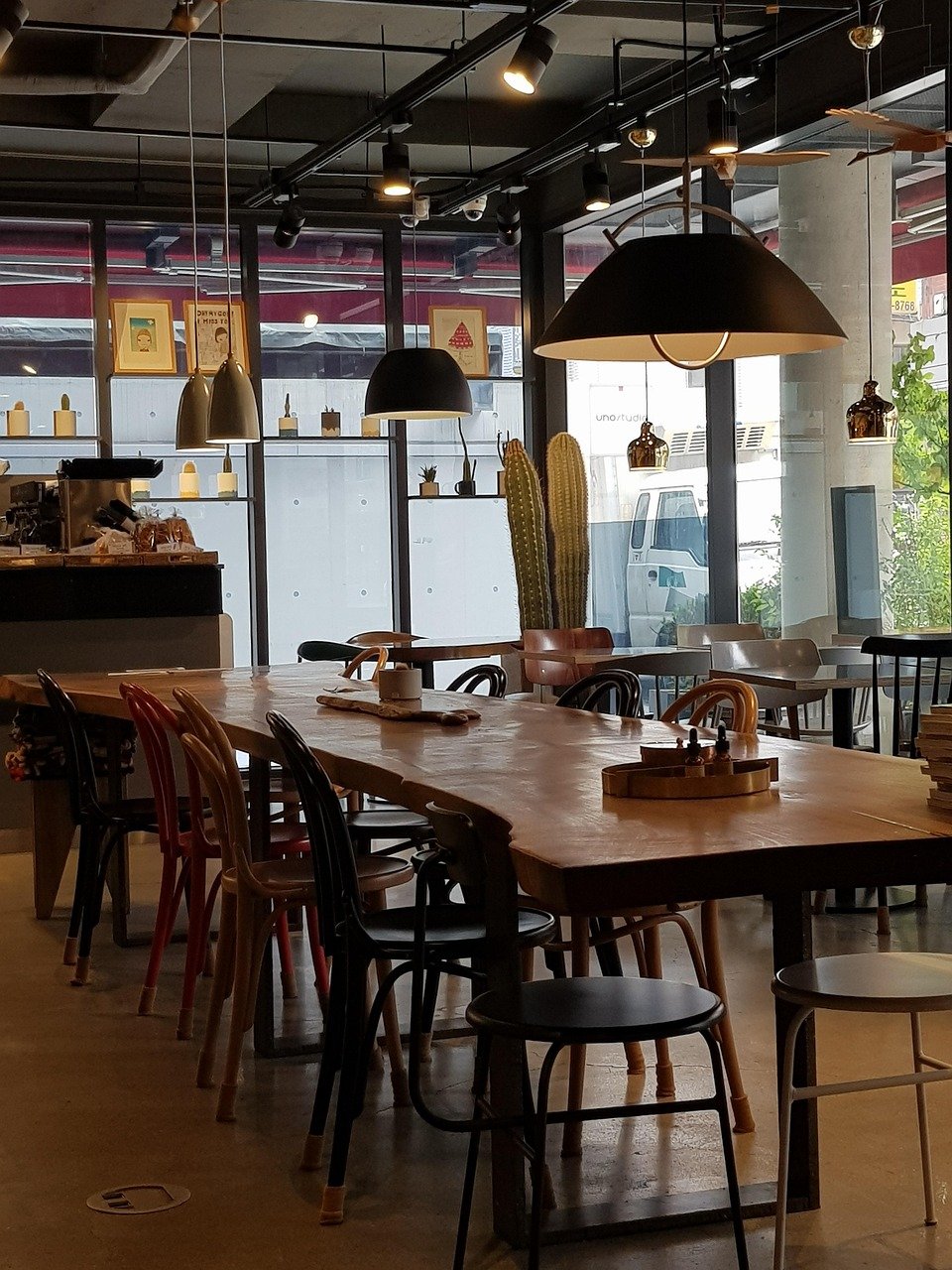
Ten years ago Seongsu-dong was where you went to get a shoe fixed, not where you went for a coffee that costs more than the shoe repair.
It sits east of Gangnam, across the river, and for decades it was one long stretch of small shoe factories and leather workshops. A lot of them are still there, tucked between the new places, metal shutters half open, the smell of glue drifting onto the pavement. That contrast is the reason to go. You’re not walking through a district built to look interesting. It became interesting because nobody tore the ugly parts down first.
The warehouses did it — old red-brick factory buildings with high ceilings and steel beams, exactly the shell that looks extraordinary once someone pours a concrete floor and fixes the lighting. Daelim Changgo was among the first, an old warehouse turned cafe with a garden out back and rusted machinery left standing like props nobody moved. Crowded at weekends, coffee fine rather than remarkable — you’re not there for the coffee.
Common Ground is the other landmark, dozens of shipping containers stacked into a mall, built to be temporary and somehow still standing. It’s tired now compared to when it opened and half the stores rotate out each season. Worth a walk-through if you’re nearby; not worth a special trip.
The part that actually surprised me is the shoe street — the original one, near Seongsu Station exit 3, where handmade workshops still operate and some will make you a custom pair for a fraction of what the same thing costs at home. No English signage, mostly older craftsmen who were here before the district had a reputation. If you want a souvenir with a story, this beats another keychain from Myeongdong. Korean shoes are sized in millimetres — the actual length of your foot — not a US or EU number, so check the conversion first.
Then there’s the flagship-store thing, which has got a little out of hand. Nike, Ader Error, Marithé, a rotating cast of pop-ups — brands treat Seongsu as an experimental playground, building spaces that exist for a season and get photographed to death. Some are well designed. Some are a room with good lighting and a QR code. Check what’s currently open before you go; it changes month to month.
Prices climbed faster than the neighborhood’s income did, and that’s worth saying plainly. A coffee that was ₩4,500 five years ago is nearer ₩7,000 in the trendier places, and rent increases pushed some of the original workshop owners out, which is its own quiet story nobody photographs.
If you’ve got half a day: start at Seoul Forest, walk ten minutes into the cafe streets, wander without a plan, and let the shoe workshops be something you stumble into rather than rush to.
Pairing them
Two of these in a day is comfortable. Three is a forced march. The pairs that actually work:
- Bukchon + Myeongdong — both central, and the contrast is the point: hanok hillside in the early morning, then down into the noise. Gyeongbokgung sits between them, though doing all three means rushing Bukchon, which defeats it.
- Seongsu + Seoul Forest — ten minutes apart, and the park is the right way to begin or end the walk.
- Myeongdong + Namsan — the cable car station is right there, so an afternoon of shopping ends with the view.
- Hongdae, on its own, after dark — it doesn’t pair with anything, because nothing else is still open by the time it’s good.
Getting there
- Bukchon — Anguk Station, Line 3, Exit 2. Five to ten minutes uphill.
- Myeongdong — Myeongdong Station, Line 4. The strip starts at the exits.
- Hongdae — Hongik University Station, Line 2, Exit 9. Also on the AREX line from Incheon airport, which makes it an easy first or last night.
- Seongsu — Seongsu Station, Line 2. Exit 3 for the shoe street, or walk in from Seoul Forest Station on the Bundang line.
Prices here are what things cost when this was written and they move — the converter will tell you what they come to in your currency today.
Read next
- What coffee actually costs in Korea — relevant to Seongsu in particular.
- Is Seoul safe at night? — the question Hongdae raises.
- T-money card — how you’ll get between all four.