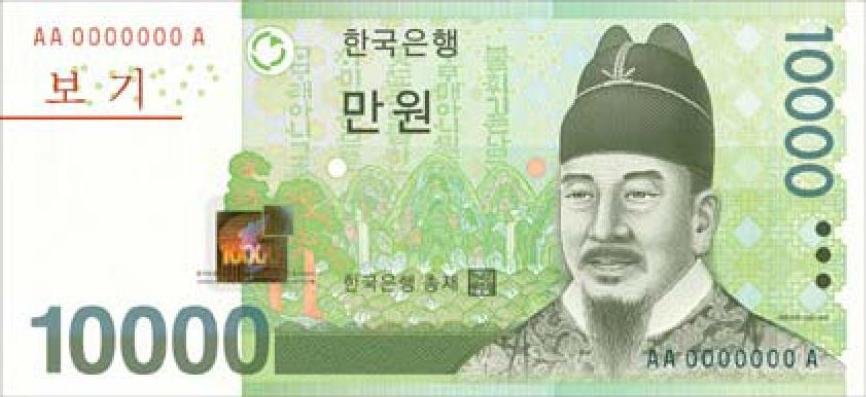
The first Korean banknote most visitors really look at is the ten thousand. It is the green-blue one with King Sejong on the front, it comes out of every ATM, and it sits in your hand feeling like it ought to be worth something. Ten thousand of anything sounds like a lot. Then you buy two coffees and it is gone.
So the question is fair, and people ask it constantly before they come: is 10,000 won a lot in Korea? The short answer is no. The longer answer is more useful, because 10,000 won is not just an amount here. It is the unit Koreans actually think in, the way an American thinks in tens of dollars, and once you start thinking in it too the whole country stops feeling like arithmetic.
The short answer, with the two numbers that anchor it
At the exchange rate in early September 2026 — about 1,341 won to the US dollar — ten thousand won is roughly $7.50. Call it seven and a half dollars, five and a half pounds, eleven Australian dollars. It is a lunch, not a night out.
The second anchor is the one that tells you how it feels to people who live here. South Korea’s minimum wage for 2026 is ₩10,320 an hour. So a ten thousand won note is very slightly less than one hour of the lowest legal pay in the country. That is a clean way to hold it in your head: one blue note, one hour of work at the bottom of the ladder. If you want the fuller picture of what that wage buys over a month, we wrote about the 2026 minimum wage separately.
Neither of those makes 10,000 won a lot of money. What makes it the important number is that Korean prices cluster around it. Meals are priced in single notes. Cheap lunch, one note. Normal dinner, one and a bit. Nice dinner, three or four. Nobody says “twelve thousand five hundred won” when they can say “about a note and a half.”
The notes you will actually use
There are four: 1,000 (blue-grey), 5,000 (orange-red), 10,000 (green-blue) and 50,000 (yellow-brown). Coins go 10, 50, 100, 500.
In practice you will use two of them. The 10,000 does most of the work and the 50,000 is what the ATM gives you and what you break at the first convenience store you walk into. The 1,000 accumulates as change and lives in the bottom of your bag until you find a market stall. The 5,000 barely exists in daily life; it turns up as change and leaves the same way.
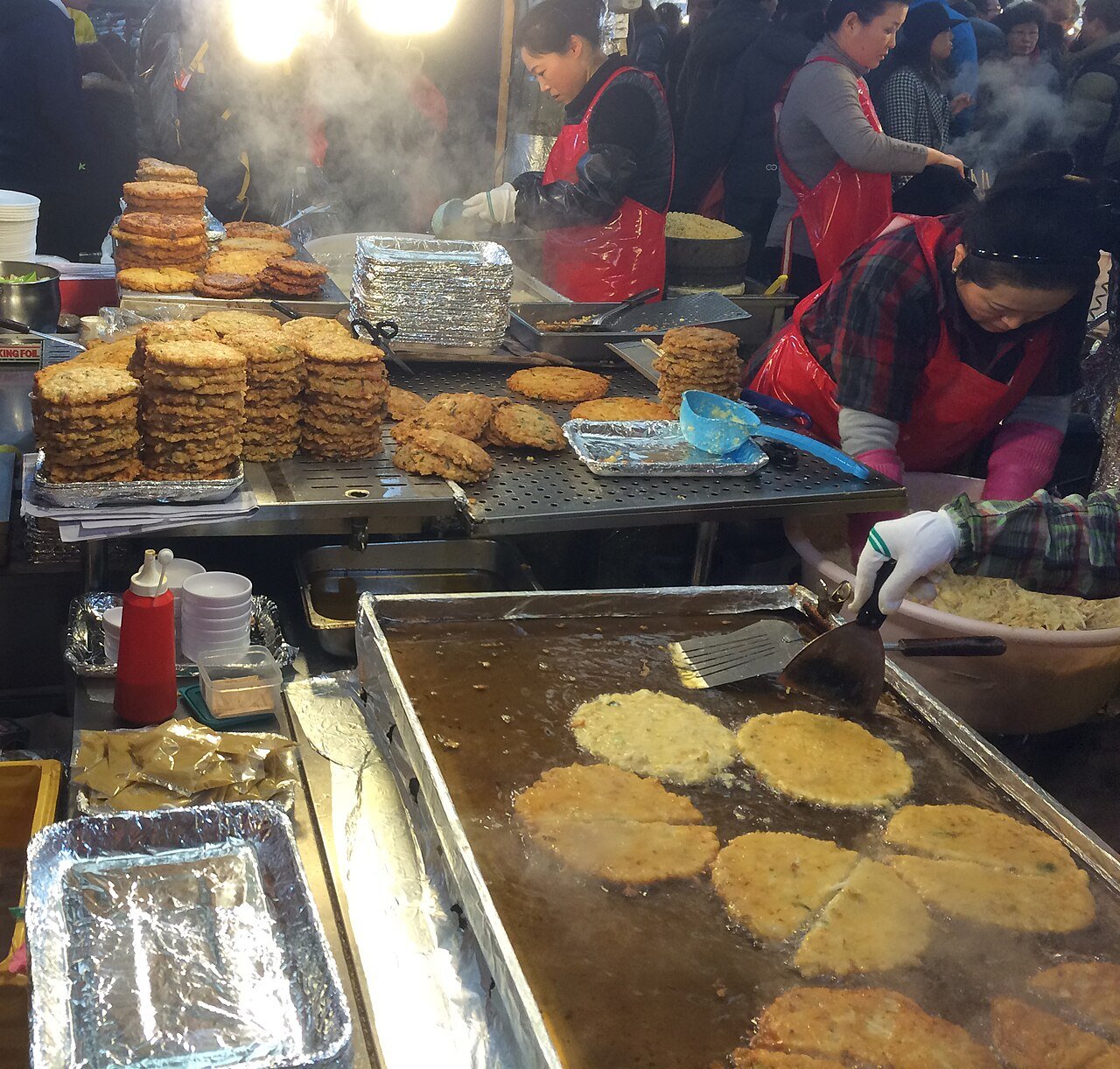
You will also use less cash than you expect. Korea is close to cashless, and card works at the tiniest bakery. But cash still matters in exactly the places you will want it as a visitor: traditional market stalls, some street food carts, the older lady selling roasted chestnuts at the subway exit, the occasional 포장마차 tent. Twenty or thirty thousand in notes covers a whole day of that, and if you never spend it, nothing is lost.
One habit worth copying: Koreans hand over notes with two hands, or with the right hand and the left hand touching the forearm, to anyone older. Nobody will be offended if you don’t. But it costs nothing and it is noticed.
What a 10,000 won note actually gets you
Here is the honest version, in the order you are likely to spend it.
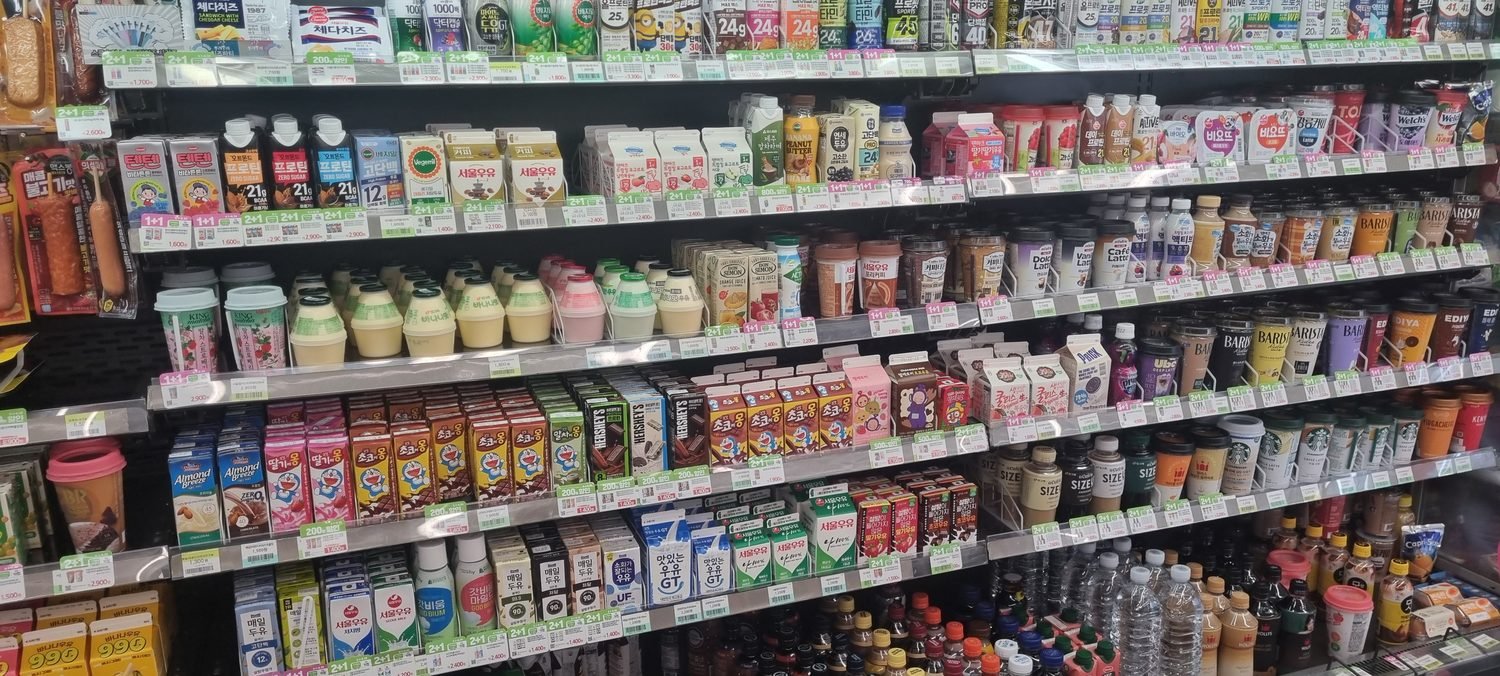
It buys four americanos at one of the cheap chains — Mega, Compose, Paik’s — where a hot americano runs about 2,200 won and an iced one 2,500. It buys two at Starbucks, where a tall americano is 4,700, and you will have change for nothing. The gap between those two sentences is the single biggest lever on your daily coffee spend in this country, and we broke the whole ladder down in whether coffee is actually cheap in Korea.
It buys two rolls of gimbap and a drink. A roll averaged 3,869 won in Seoul this July, which locals will tell you is the number that broke the spell — gimbap was the thing you bought without thinking, and it isn’t quite that any more.
It buys a full convenience store meal with change: a hot bowl of something from the counter, a triangle kimbap, a bottle of water, eaten standing at the window counter. This is a completely normal Korean lunch, not a sad one, and the shops are built for it with hot water dispensers and microwaves.
It does not buy a bowl of naengmyeon, which averaged 12,692 won in Seoul, and it is nowhere near a portion of samgyeopsal at 21,321 won for 200 grams, or samgyetang at 18,192. Those are the numbers that surprise people who arrived expecting Korea to be cheap across the board.
And it buys six subway rides, at 1,550 won for the first ten kilometres on a card. Which brings us to the part where the money goes further than you think.
Where your money goes further than you expect
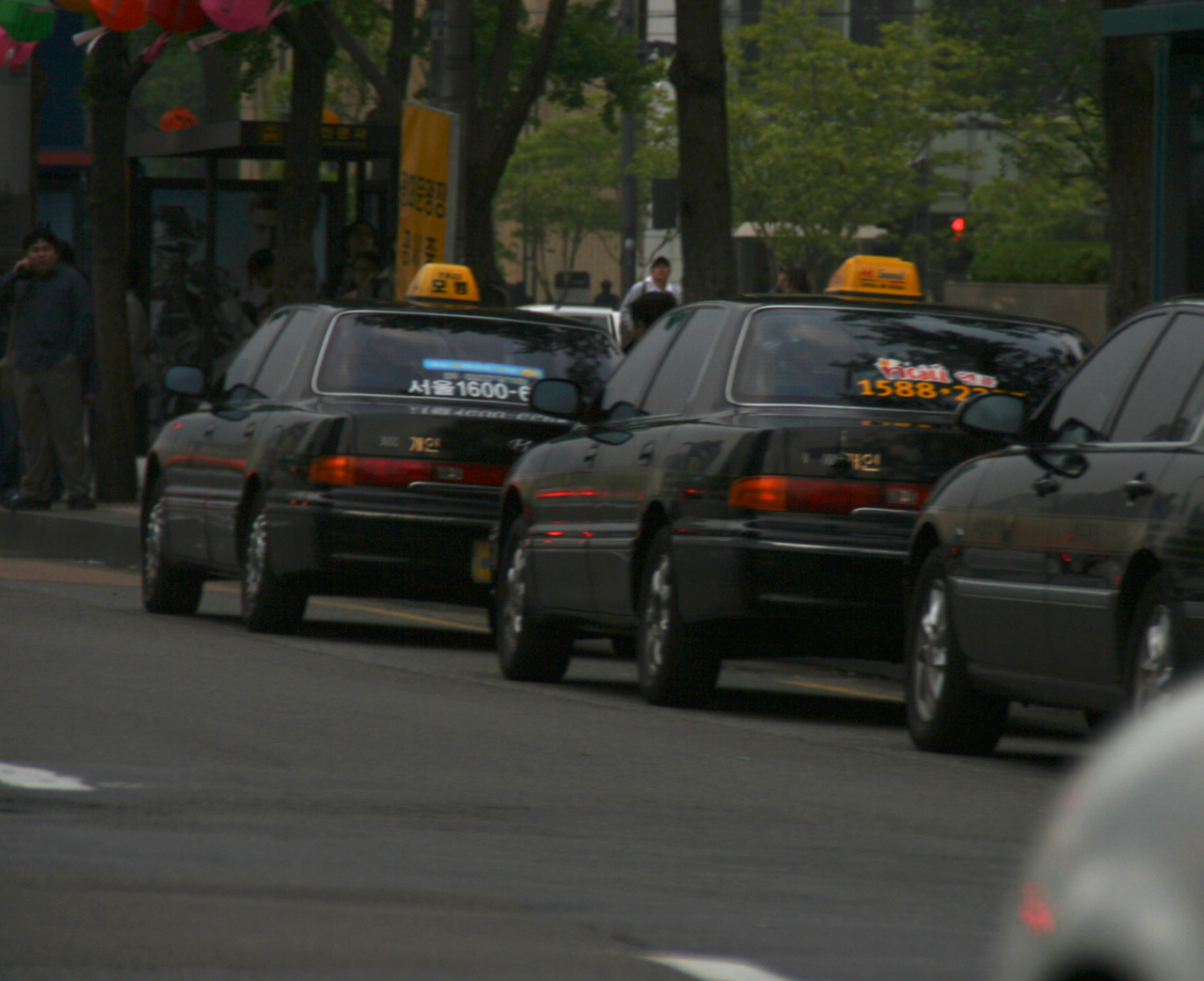
Transport is the big one. A subway ride across Seoul costs less than a coffee, the transfer to a bus is free within the window, and the trains are clean and run late. A taxi starts at 4,800 won for the first 1.6 kilometres, which means a short hop across a neighbourhood — the kind of trip you would never take a cab for at home — costs about five dollars and is completely normal here.
Then there are the things that are simply free and would be line items elsewhere. Water at a restaurant, poured by you from a jug or a dispenser. The banchan, the little side dishes, refilled as many times as you ask. Public toilets, everywhere, clean, no coin slot. And no tipping, at all, ever — the price on the menu is the price you pay, which we get into in what happens when you try to tip in Korea.
That last one is worth sitting with, because it changes the arithmetic more than people expect. A 12,000 won dish in Seoul is 12,000 won. The same dish at $12 in New York is $12 plus tax plus twenty percent, which is $15.50. The Korean menu price is the whole number.
And where it doesn’t
Fruit is the famous one. A few apples in a tidy box, a single melon, a small punnet of strawberries in the wrong season — these cost what a meal costs, and Koreans complain about it as much as visitors do. Fruit here is treated as a gift item, sold in presentation boxes, and priced accordingly.
Grilled meat at a proper restaurant is not cheap. Samgyeopsal is a social meal, ordered by the portion per person, and a table of three with soju lands somewhere none of you expected. Imported beer used to be the traveller’s bargain — four cans for ten thousand won was practically a national institution — and that deal is now four for thirteen thousand.
Anything imported, generally: cheese, bread that is trying to be European, wine, foreign brand cosmetics. And accommodation in Seoul in high season, which will quietly eat more of your budget than food and transport combined.
Is $100 a lot in South Korea?
A hundred US dollars is about 134,000 won. For a visitor, that is a comfortable day and then some — not a luxurious one, but one where you are not counting.
A day inside that: breakfast from a bakery or convenience store, subway and bus all day, a proper sit-down lunch, coffee twice, an entry ticket to something, street food in the evening, dinner with a drink, and a taxi home when your feet give out. You will have won left over.
Where 134,000 won disappears fast is if you put a night’s accommodation inside it, or if you spend the evening at a grill restaurant with drinks, or if you shop. As a spending-money figure for one person for one day, it is generous. As an all-in figure including a hotel, it is tight in Seoul and fine outside it.
Is $1,000 enough for a week in South Korea?
For most people, yes — with the same caveat about where you sleep.
A thousand dollars is roughly 1,340,000 won, or about 190,000 won a day for seven days. If your accommodation is already paid for, that is a genuinely relaxed week: you can eat what you want, take taxis when it rains, and buy things. If accommodation comes out of it, a guesthouse or a business hotel outside the centre keeps you comfortable, while a mid-range hotel in Myeongdong in October will take most of it and leave you eating convenience store dinners.
The honest budget shape for a week, per person, food and transport and small entries only: a careful traveller manages on 40,000 to 60,000 won a day, a normal one on 80,000 to 120,000, and someone who eats well and takes taxis is at 150,000 and up. Multiply by seven and add your room.
Thinking in won without doing arithmetic
The trick everyone lands on eventually: drop three zeros and cut it by a quarter. A 12,000 won dish becomes 12, minus a quarter, so about nine dollars. A 45,000 won taxi to the airport becomes 45, minus a quarter, about thirty-four. It is close enough at any exchange rate near 1,300, and it takes a second rather than a calculator.
If you want the exact figure in your own currency rather than a rule of thumb, our Korean won converter does it in ten currencies, and the trip budget calculator will turn a number of days and a style of travel into a total.
But the real shift is not the conversion. It is the moment you stop converting. Somewhere around day three you will look at a 9,000 won bowl of noodles and know it is cheap without translating it into anything, and a 6,000 won coffee will feel like an insult without you having to work out that it is four and a half dollars. That is when the ten thousand won note stops being a puzzle and starts being what it is to everyone around you: one note, one lunch, one hour.