Every couple of months somebody messages me the night before their trip asking whether they really need to book the Seoul–Busan train in advance. The honest answer is irritating: usually no, except for the times when it absolutely matters, and those are the times people don’t see coming.
An ordinary Tuesday in March? Turn up, buy, and you’re on a train inside the hour. The Friday of a long weekend, or anywhere near Chuseok or Lunar New Year? Gone. Not gone as in expensive — Korean rail fares don’t surge, the seat simply isn’t there any more, and no amount of refreshing invents one.
So the question worth answering isn’t when to book. It’s how, because the three ways of buying fail in completely different places, and the one that trips people up most is the one that looks easiest.
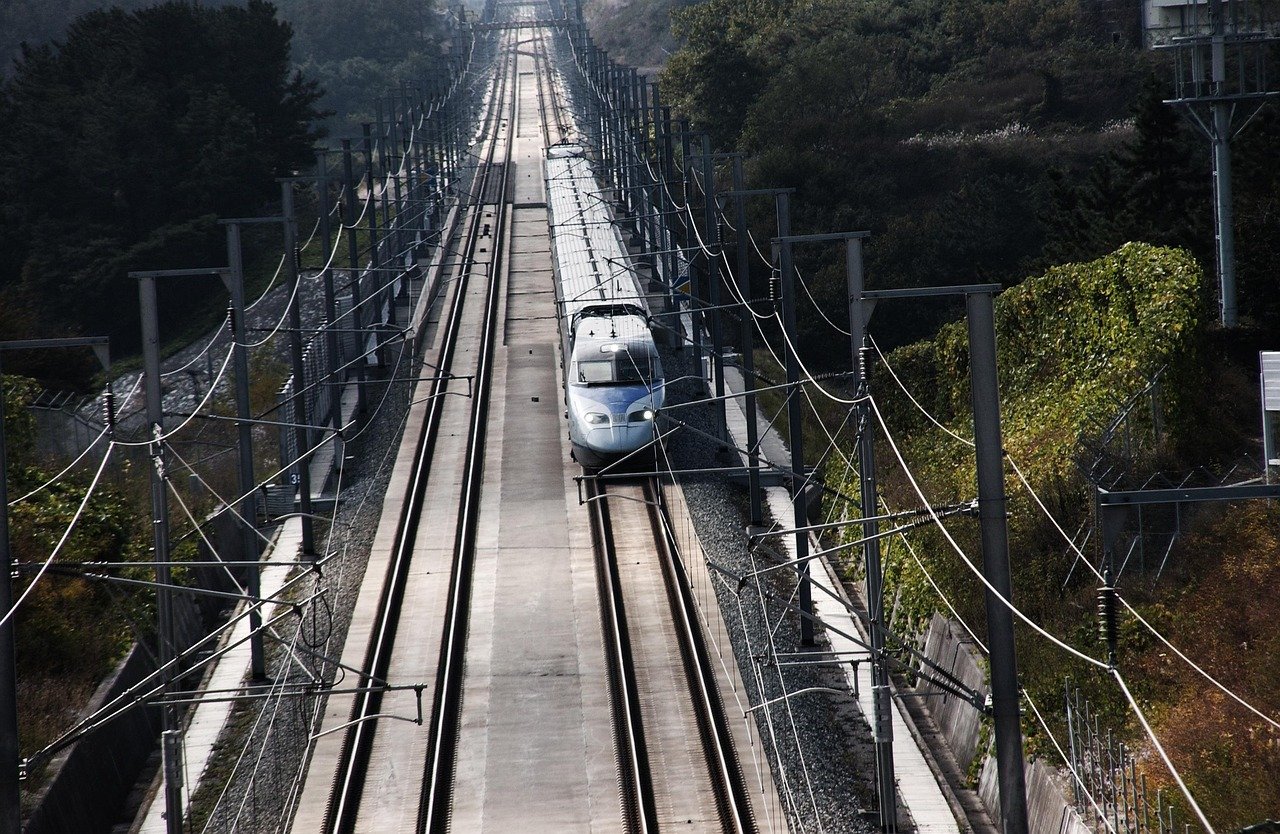
The three ways, and the one I’d pick
You can buy from Korail’s own app, from Korail’s English website, or from a machine or a counter inside the station. There are also third-party resellers — search KTX tickets for foreigners and half the first page is agencies — and they work, but they add a layer between you and the refund, which is precisely the layer you don’t want when a train gets cancelled.
My order: app first, station second, website only if the app won’t take your card. That order is about failure modes, not features. The app fails at sign-up, the website fails mid-session, and the station fails only at the very moment you can least afford it, which is ten minutes before departure on a busy holiday.
The app is the right default. Sign-up is the hard part
Korail’s own app is listed as Korail+ in both stores, and the way to know you’ve got the real one rather than a reseller’s app is the developer line under the name: Korea Railroad Corporation on the App Store, 한국철도공사 on Google Play. Same company, two spellings. It has a full English mode, it holds your ticket as a barcode you never print, and it’s the only method where changing your mind later is genuinely painless.
The obstacle is the account. Korean apps are built around a phone number that can receive a Korean verification text, and a lot of visitors turn up without one. If you’ve picked up a local SIM or eSIM, this is a non-issue and it’s one of the better arguments for getting one at the airport rather than roaming — I compared those two routes properly in the SIM vs eSIM post. If you’re roaming on your home number, try the sign-up anyway before you conclude it’s impossible, then fall back to the website or the station.
Two things worth knowing before you stand at a gate-less platform panicking:
- Your ticket lives in the app, and the app needs to open. Don’t plan on a screenshot rescuing you — Korail’s own rules say a screenshot isn’t a valid ticket. Charge your phone instead. Data drops in tunnels, and a flat battery is not a defence a conductor is obliged to find charming.
- Nobody checks anything on the way in. There are no ticket barriers for KTX — you walk from the concourse straight down to the platform. The check happens on board, quietly, at your seat, usually by a conductor who already knows from the seat map that you’re the one who isn’t supposed to be there.
The English website, and the reason it sometimes shuts you out
Korail’s English site is at korail.com, under the global section, and it does the whole job: search, seat, pay, refund. It also has opinions about how you use it.
Use a current, mainstream browser — Chrome or Safari is fine, an old phone browser may not be — because the site is genuinely twitchy about anything that looks automated. Hammer refresh on a sold-out train the way you would on a concert site and you can trip a protection message: access to the remaining service has been restricted due to detection of abnormal activity. It’s not a ban and it’s not personal, but it’s an unhelpful thing to meet at the wrong moment. Search, wait, search again like a person.
Cards issued outside Korea do work here, which is the thing most people are quietly worried about. If a payment bounces, it’s usually your own bank’s fraud filter rather than Korail — an unfamiliar Korean merchant on a card that’s been sitting at home for months is exactly the pattern banks block. The same problem shows up at cash machines, and the fixes are the same ones I listed in the post on foreign cards and Korean ATMs: tell your bank you’re travelling, and carry a second card from a different network.
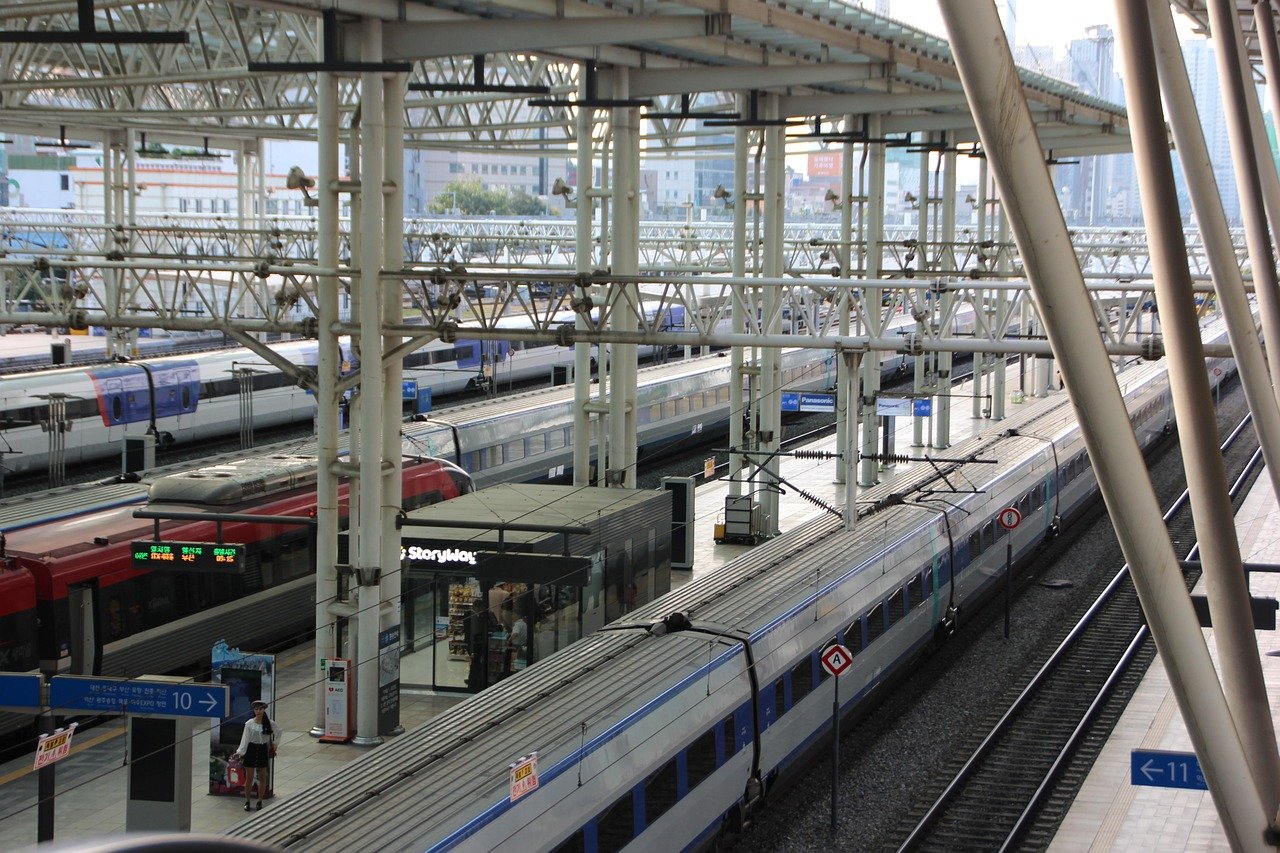
At the station: machines, a window, and no barriers
Walking up and buying is completely normal here. Big stations have banks of touchscreen machines with an English button, and a staffed ticket office nearby for anything the machine won’t do.
The machines are fine for a simple A-to-B on the next train, and they take cards. Where they get awkward is anything with a condition attached — a pass, a group, a refund of something bought elsewhere. That’s the window. Expect a queue at the window on a Friday evening, expect almost none on a weekday morning, and expect the staff to have enough English for the transaction and not much more, which is all either of you needs.
One habit worth copying from locals: buy your ticket, then look at the departure board for the platform number, then go stand on the platform early. There’s no gate to funnel you, no boarding call, and the train stops for a genuinely short time. KTX doors close on schedule and the train leaves on schedule. I’ve watched people jog the length of a platform with a suitcase because they assumed a couple of minutes of grace existed. It doesn’t.
If you’re killing time before a train and dragging luggage around, the coin lockers in the big stations are the obvious move — sizes, prices and what actually fits are in the Seoul luggage storage post.
Which station? This one actually costs people trains
“Seoul” isn’t one departure point, and the app will happily sell you a ticket from a station you didn’t realise you’d chosen.
Seoul Station is the main one and handles the line down to Busan. Trains heading southwest — Gwangju, Mokpo — generally start at Yongsan, which is a different station a few subway stops away. And then there’s Suseo, out in the southeast of the city, which is not Korail at all: that’s where SRT leaves from, run by a separate company called SR, with its own booking site. Same kind of high-speed train, same tracks for much of the way, different operator, different app, different ticket.
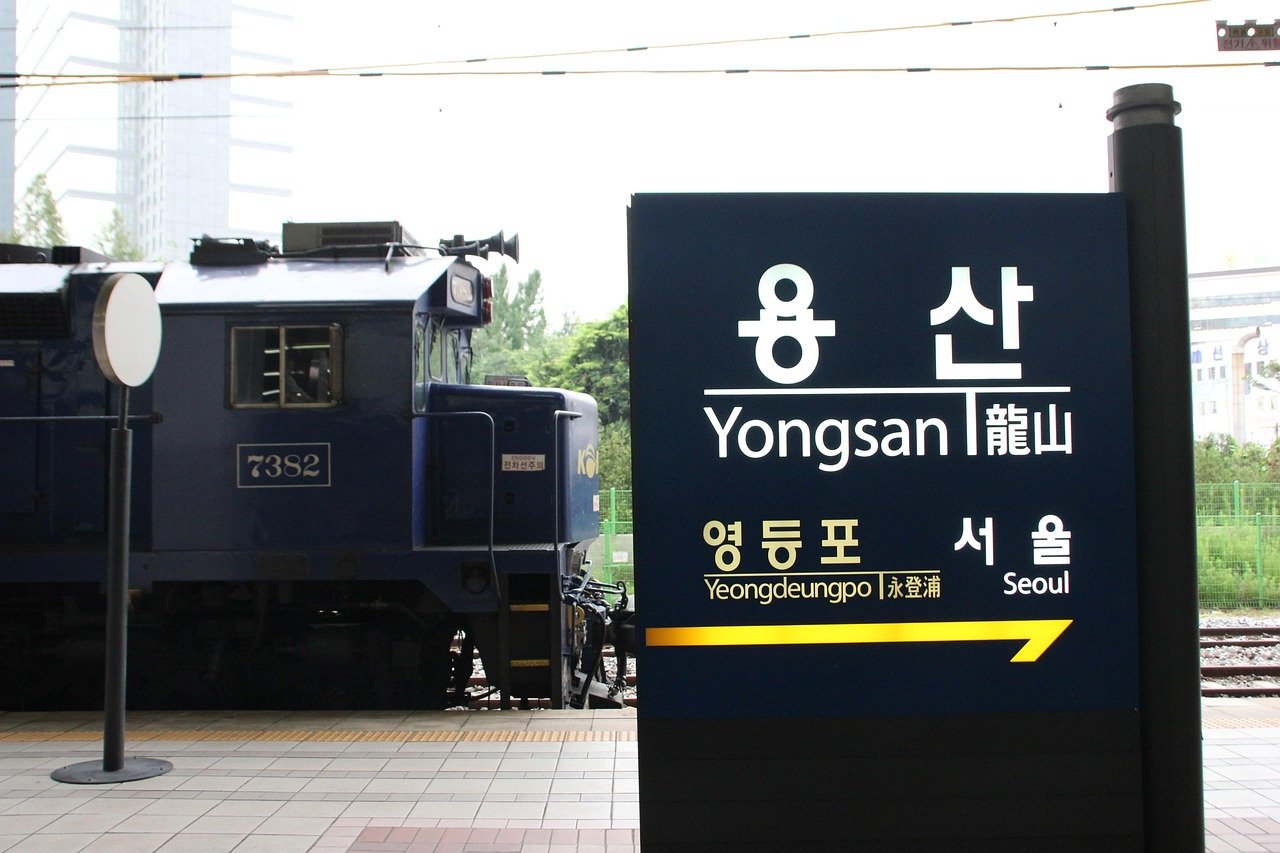
None of this is a problem if you read the departure station on your own ticket. It becomes a problem when someone books “the 9:40 to Busan”, turns up at Seoul Station, and discovers their 9:40 was leaving from Suseo. Budget the extra half hour it takes to cross the city if that’s you, or better, check the station name before you pay rather than after.
About the KORAIL PASS, honestly
The product is called the KORAIL PASS, and Korail is blunt about who it’s for: any foreigner visiting Korea can travel on one, and it’s unavailable to people with Korean nationality. You buy it from the KORAIL PASS booking page on the English site, where it appears as KORAIL PASS FX in two, three, four and five day versions with separate adult and child pricing. A valid passport and a credit card are needed to buy one, and you board the train with the pass and that passport — it isn’t a formality, it’s the thing that makes the pass yours.
The shape of it: you pick a starting date, then use your two to five travel days inside a ten-day window from that date. Seats can be reserved from a month before departure, up to two per person per day, and if a train is sold out you’re still allowed to board standing on a valid pass. Refunds only exist before the starting date — once the pass has started, that’s it. And read the coverage line before you buy, because it excludes SRT, the metropolitan railways and temporary tourist trains.
The pass prices I can put in writing, because Korail publishes them as a table on its English pass page — these are what that page listed when I checked it in September 2026. Individual train fares are the opposite case: they’re never published as a table, only shown inside a live search, which is exactly why there are none of those in this post.
| KORAIL PASS | Adult | Child (6–12) |
|---|---|---|
| 2 day select pass | ₩131,000 | ₩66,000 |
| 3 day select pass | ₩186,000 | ₩93,000 |
| 4 day select pass | ₩234,000 | ₩117,000 |
| 5 day select pass | ₩275,000 | ₩138,000 |
Adult means 13 and over, child covers six to twelve, and one child under six travels free with an adult.
Whether it’s worth the money is arithmetic I can’t do for you, and I’m not going to pretend otherwise. What I’d do is spend five minutes in the app pricing the exact journeys you actually intend to make, on the dates you intend to make them, and compare that total against the pass. My instinct, for what it’s worth: a single Seoul–Busan round trip almost never justifies a pass, and three or four long legs inside the same few days often does. The pass earns its keep on spontaneity, not on distance — it’s for the trip where you decide over breakfast that today is a Gyeongju day.
Two traps. A pass gets you travel, not automatically a reserved seat on the exact train you want — seats still have to be grabbed while they exist. And first class isn’t included; pass holders pay half the first-class price for that leg, which is a fine deal and still a surprise if you were expecting nothing.
What I’ll quote you, and what I won’t
That pass table is the only price in this post, and the absence of the rest is deliberate. Train fares are the one thing Korail doesn’t publish anywhere as a table — the fare appears next to each train inside a live search, before you log in or pay, and it moves with train type, departure time and seat class. Half the English-language guides out there quote KTX fares copied from each other and quietly going stale, and a stale fare is worse than none, because you end up arguing with a ticket window about a number you read on a blog. Look yours up. If you want it in a currency you think in, our Korean won converter runs at the live rate, and the trip budget calculator takes the same figures if you’re building a whole trip.
The rules around the fare, on the other hand, Korail does publish in English, and they’re worth reading once. Booking opens at 07:00 one month before your departure date, and stays open until 20 minutes before the train leaves if you’re online — 10 minutes at a vending machine, and right up to departure at a station counter. That last one is the quiet safety net nobody mentions: if you’re already in the station and the app has given up on you, the counter hasn’t.
Cancellations work on a sliding scale rather than a flat fee. Cancel a weekday ticket well ahead and there’s no penalty at all; the deduction starts small in the last day or so, grows as departure approaches, and gets considerably steeper once the train has actually left — at which point only a station ticket office can process it, and not at all after the train has reached its destination. Friday to Sunday and public holidays carry a minimum fee from the start. The exact percentages are on Korail’s English ticketing guide, and the app shows you the amount before you confirm. Read that screen. It’s the one moment the system tells you the truth in a number, and it takes four seconds.
“Sold out” is softer than it looks
A full train isn’t necessarily a closed door. Standing tickets exist on KTX, and on a two-and-a-half hour run to Busan that’s a perfectly survivable way to travel — you’re not standing in a stairwell, you’re in the vestibule area with everyone else who made the same decision, and seats free up along the way as people get off at Daejeon and Dongdaegu.
Seats also reappear. Reservations lapse, plans change, and a train that showed nothing at 9pm can show two seats at 7am. If your date is fixed and the train is full, check again in the morning before you resign yourself to the bus.
Small things I’d tell a friend
Luggage racks at the carriage ends fill up fast on busy departures. A big suitcase at the end of a mostly-full train is a genuine nuisance, so board early rather than elegantly.
Seat direction is assigned, and some seats face backwards. It’s marked when you pick, most people ignore it, and a minority of people really wish they hadn’t.
There’s no food service trolley worth planning around. The convenience stores inside the stations are excellent and cheap — that’s the move, and it’s the same shelf of things I went through in the convenience store food post.
Getting from the station to wherever you’re sleeping is the last mile that people underestimate. Big stations sit on subway lines, so a transit card covers it — see the T-money post — and if it’s late or you’re carrying too much, hailing a taxi through an app is far less painful than explaining an address out loud, which I covered in the Kakao T guide.
And if something genuinely goes wrong — a missed train you’ve already paid for, a refund the machine won’t do — Korail’s customer line is 1599-7777. Stations also have a staffed office for exactly this, and in my experience walking up to a human at the counter resolves things faster than any amount of tapping.
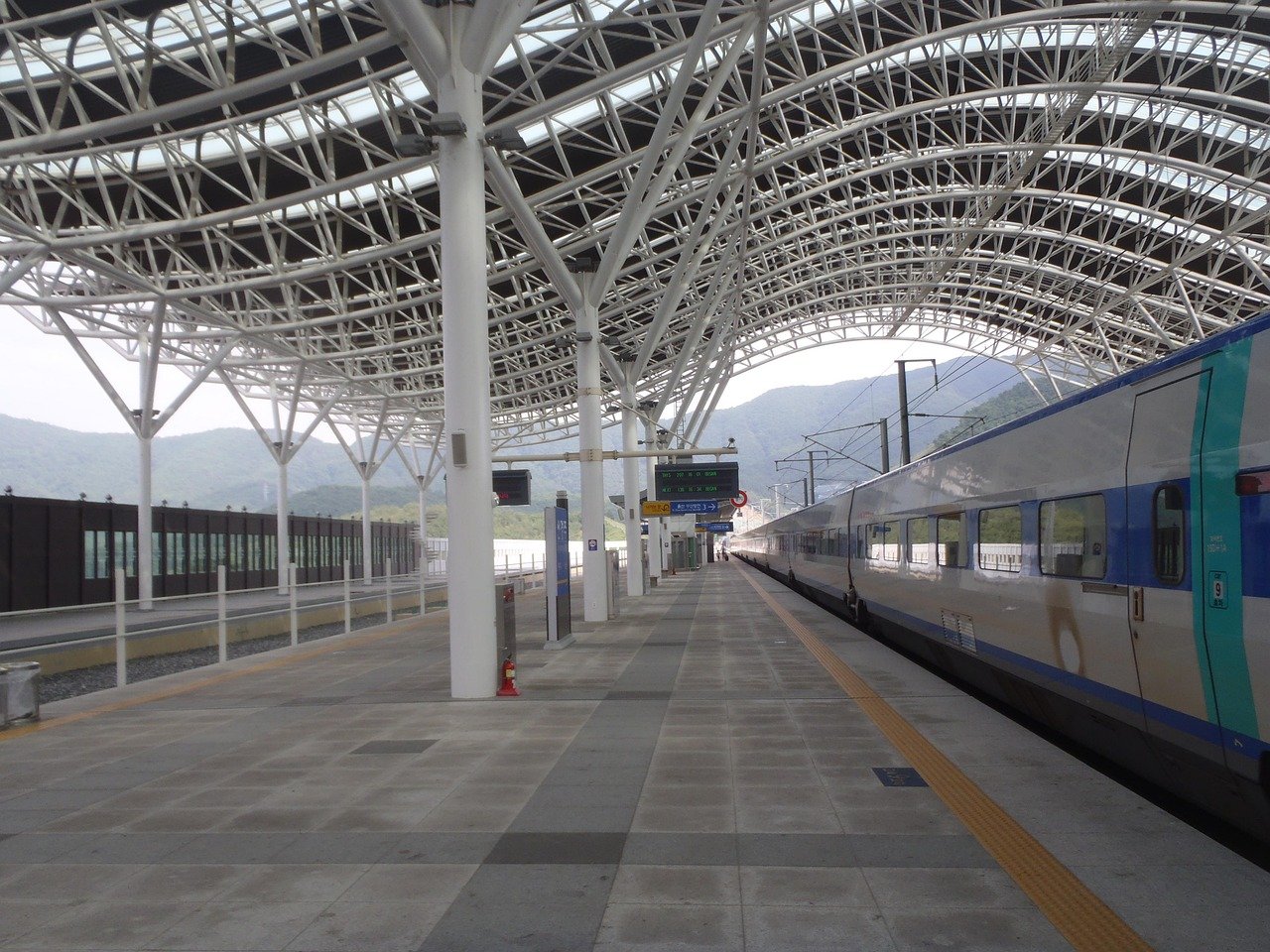
One closing opinion, since it’s the thing I actually believe. The KTX is the least stressful piece of travelling in Korea, and people arrive braced for it to be complicated because the booking looks complicated from the outside. It isn’t. Buy the ticket on your phone the night before, stand on the platform five minutes early, and the hard part of your day is already behind you.